



Slatted Metal Outdoor Seat
A slatted metal outdoor seat brings enduring architectural form to the garden through robust construction and practical seating.
Slatted Metal Outdoor Seat
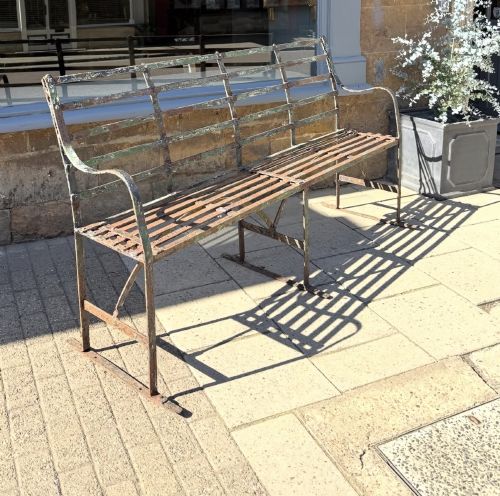
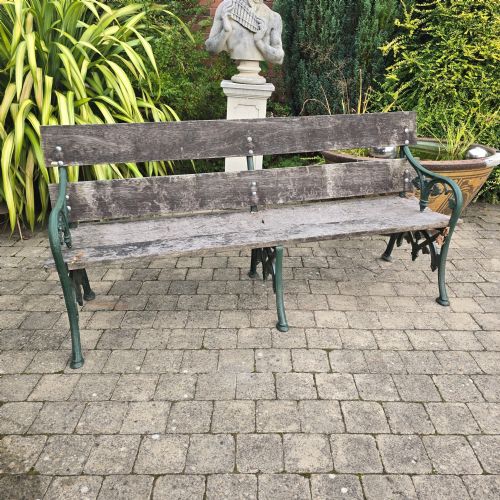
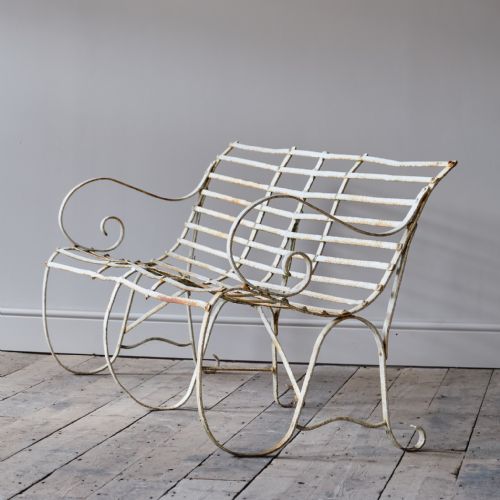
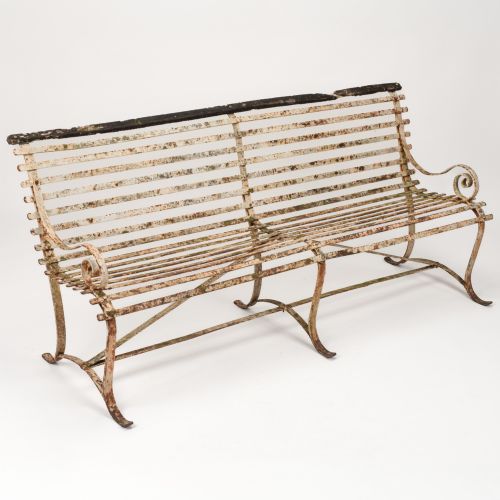
A slatted metal outdoor seat comprises garden benches, garden armchairs, and park benches designed for exterior use across multiple eras. These forms combine metal frames with timber slats or strapwork iron.
The versions most commonly met on this page originate from the Victorian, Edwardian, and Regency periods, alongside early twentieth-century interwar examples. Makers utilised cast iron, wrought iron, and timber to build robust furniture intended to withstand the elements.
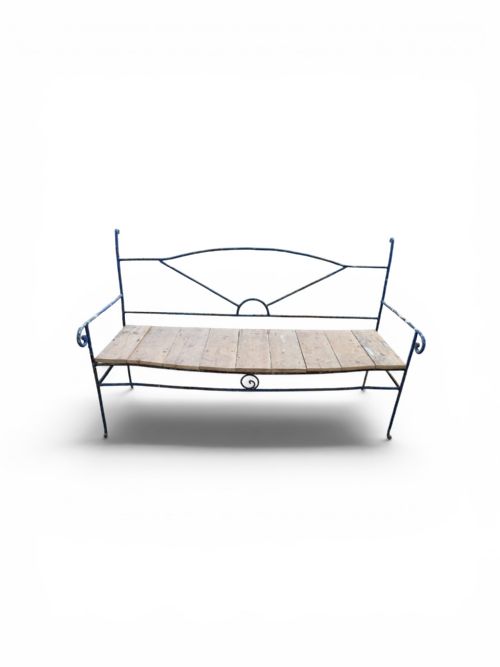
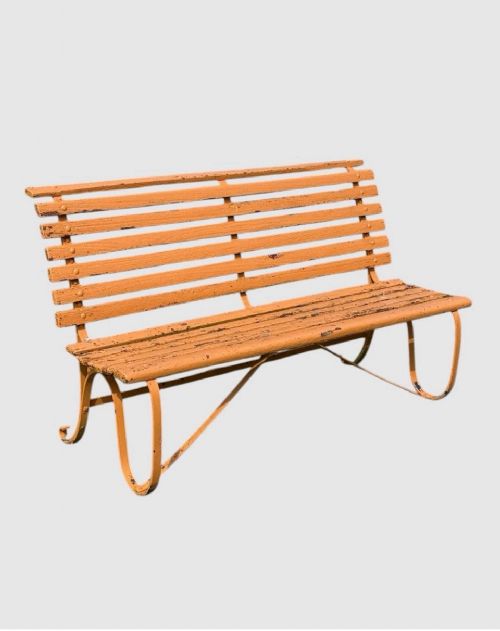
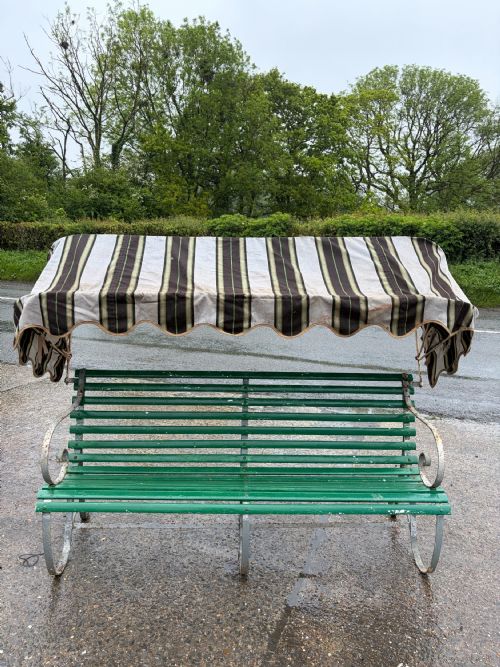
Particular configurations include variants with canopies, lion mask armchairs, and scroll benches featuring layers of original paint. Such designs reflect the utilitarian yet decorative approach of nineteenth and early twentieth-century outdoor furnishing.
How they were made
Makers constructed frames primarily from cast iron and wrought iron, employing techniques such as strapwork and scrollwork to shape the metal components. Cast iron allowed for ornamental details like lion masks, whilst wrought iron provided strong structural lines.
Seats and backs frequently incorporated wood or timber slats, secured to the metal framework to create a practical outdoor seat. Surviving examples often display layers of original paint applied to protect the iron and timber from weathering.
Slatted Metal Outdoor Seat Retail Price Guide 2026
Typical asking prices for slatted metal outdoor seat among the pieces listed under this phrase on Sellingantiques today, from the lower quarter to the upper quarter. They describe what is for sale here now, not the wider market.
What varies in quality
The refinement of the ironwork sets finer examples apart, particularly where intricate strapwork or detailed cast ornamentation demonstrates greater skill from the foundry. Simple utility benches contrast with pieces incorporating decorative canopies or sculptural elements.
The integrity of the original materials also defines the grade of a piece, visible in the survival of early timber slats and the presence of undisturbed historic paint layers. Pieces that retain their structural cohesion without replacement components hold distinct character.
The Slatted Metal Outdoor Seat Glossary
- Cast iron
- A strong, hard alloy poured into moulds to create decorative bench ends and structural supports. This material enabled the mass production of ornate garden furniture during the Victorian era.
- Wrought iron
- Iron heated and worked by hand into bars and scrollwork for bench frames. It offers high tensile strength and distinct tactile qualities compared to cast alternatives.
- Strapwork
- Flat strips of iron arranged in geometric patterns across the backrest or seat of a bench. This technique provides both visual lightness and structural rigidity.
- Canopy
- An overhead architectural extension integrated into the bench frame to offer shelter. These shaded structures are characteristic of specific Victorian garden seats.
Slatted Metal Outdoor Seat: Frequently Asked Questions
How do I care for an old metal garden bench?
Keep the metal and timber clean and dry where possible during harsh winter months. Preserving historic paint layers rather than stripping them helps maintain the character of the piece.
Inspect joints and fixings periodically to ensure the timber slats and iron frames remain secure. Gentle maintenance will protect the materials without erasing their age.
Were these benches meant to stay outside year-round?
Nineteenth and early twentieth-century garden seats were built from durable cast iron, wrought iron, and timber designed to endure external conditions. The heavy metal frames ensured the furniture remained stable in open grounds.
While robust, many owners historically moved lighter armchairs or positioned them under shelter during the coldest seasons to limit weathering.
How do I distinguish Victorian from later Edwardian benches?
Victorian examples frequently display heavier cast iron ornamentation, including lion masks, elaborate scrolls, and structured canopies. The overall aesthetic prioritises dense decoration and architectural presence.
Edwardian designs tend to favour slightly lighter proportions and simpler strapwork configurations. These shifts reflect changing tastes towards more restrained garden architecture.
What is the difference between cast iron and wrought iron on these seats?
Cast iron is brittle and formed by pouring molten metal into a mould, making it ideal for ornate bench ends and decorative motifs. Wrought iron is pliable and shaped through hammering, lending itself to linear strapwork and scrolls.
Many classic garden seats combine both materials, using cast iron for the structural ends and wrought iron or timber for the slatted seating area.