



Silver Top Smelling Bottle
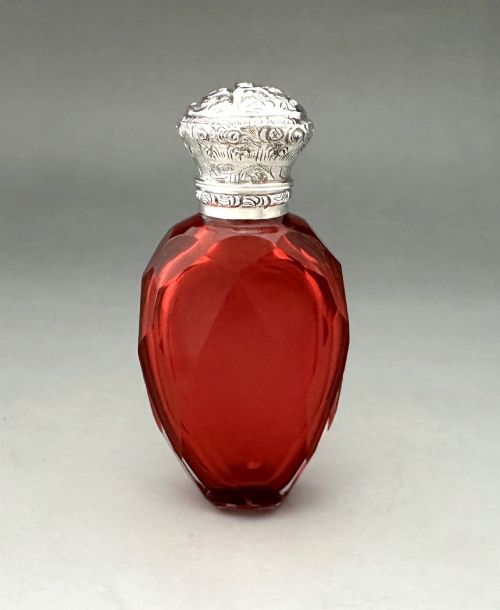
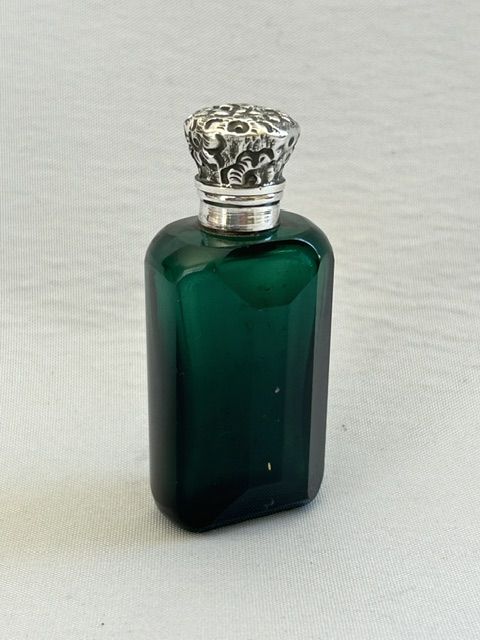
A silver top smelling bottle brings pocket-sized luxury to the dressing table, combining blown glass with pierced or chased metal mounts.
Silver Top Smelling Bottle
A silver top smelling bottle is a portable container designed for perfumes and smelling salts during the Victorian and Edwardian eras. Buyers looking for these items will encounter charming nineteenth-century pieces that reflect the social habits of the period. Most examples on this page date from the Victorian and Edwardian periods, stretching from the middle of the nineteenth century into the early twentieth century.
How they were made
Glassmakers blew molten material into distinct moulds or free-formed shapes such as the speckled egg or icicle profiles. These vessels rely heavily on rich coloured glass bodies, including striking cranberry and opaline variations that required precise chemical agents in the melt.
Silversmiths then fitted these glass bodies with hinged or screw-top sterling silver mounts, often decorated with floral chasing or repoussé work. Birmingham workshops dominated much of this production, applying hallmarks directly to the silver collars and caps to indicate standard and year.
Listings span from the mid-nineteenth century through the Edwardian era, featuring ruby, cranberry, Bristol green, and amethyst glass alongside standard sterling silver mounts.
What varies in quality
The distinction between standard production and finer output rests in the harmony between the glass body and the silver mount. Superior items display crisp, deep chasing on the silver cap and undamaged glass free from internal stress fractures.
Unusual glass colours and complex forms, such as overlay glass or naturalistic speckled egg designs, elevate an example above standard trade pieces. The tightness of the hinged closure and the presence of a clean, intact inner stopper also separate better-preserved specimens from lesser ones.
MacIntyre
The Silver Top Smelling Bottle Glossary
- Sterling silver
- A silver alloy containing 92.5 percent pure silver by mass and 7.5 percent other metals, usually copper. This standard alloy provides the durability needed for intricate mounts on small scent flasks.
- Cranberry glass
- A transparent red glass created by adding gold chloride to the molten batch. It is widely seen in Victorian and Edwardian scent bottles.
- Opaline glass
- A pale, translucent glass with a milky appearance, ranging from white to soft shades of blue. It gained popularity during the nineteenth century for decorative vanity items.
- Repoussé
- A metalworking technique where the silversmith hammers the metal from the reverse side to form a raised design in relief. This method decorates many nineteenth-century bottle mounts.
Silver Top Smelling Bottle: Frequently Asked Questions
What are silver top smelling bottles?
These are small personal containers used in the nineteenth and early twentieth centuries to hold aromatic vinegars or smelling salts. Ladies carried them in handbags or displayed them on dressing tables to combat faintness or unpleasant odours.
The combination of coloured glass bodies and hallmarked silver caps made them both practical accessories and decorative luxury items during the Victorian and Edwardian periods.
How do I date a silver top smelling bottle?
Dating relies primarily on the hallmarks stamped onto the silver mounts, which indicate the assay office, standard, and exact year of production. Birmingham was a major hub for this manufacturing work.
Stylistic cues in the glass colour and shape also help narrow down the period, as intense cranberry and opaline glass styles cluster heavily around the late nineteenth century.
Did men use smelling bottles?
While most surviving domestic examples catered to women's vanity sets and chatelaines, some robust flasks and novelty forms served broader uses. Miniature champagne and liquor bottles catered to a wider social sphere.
These sturdier pieces often accompanied travellers or sat within gentleman's pocket cases during the late Victorian era.
How should I clean the silver mounts?
Cleaning requires a soft microfibre cloth and caution to avoid harsh commercial dips that might seep into the antique glass or damage historic stoppers. Gentle polishing maintains the aged lustre of the silver without scrubbing away crisp hallmarks.
Keep moisture away from the interior lining and historical cork stoppers to preserve the structural integrity of the bottle.