





Silver Top Biscuit Jar
A silver top biscuit jar brings table hospitality from the Victorian and Edwardian eras straight into a modern home.
Silver Top Biscuit Jar
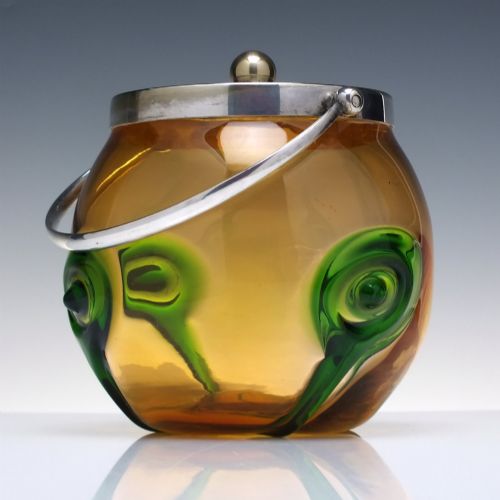
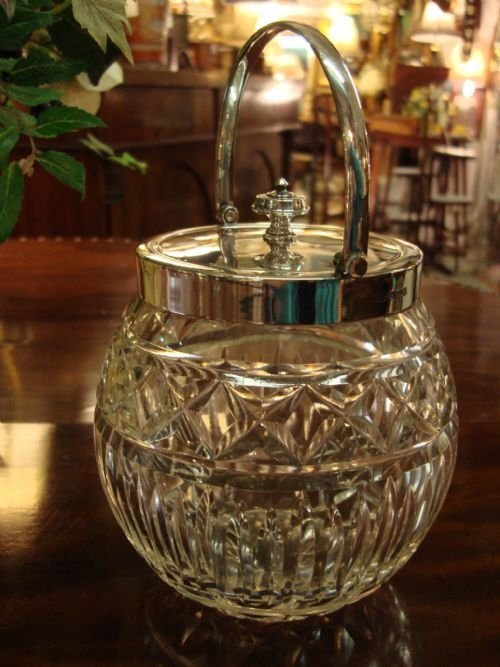
A silver top biscuit jar is a covered container designed for serving dry baked goods during parlour gatherings and afternoon teas. When searching for a silver top biscuit jar, collectors encounter cylindrical vessels built to hold biscuits securely on the sideboard or dining table.
The selections span several decades from the mid-nineteenth century through the 1930s, encompassing Victorian, Edwardian, George V and Art Deco designs. Biscuit barrels represent the primary object type found across these periods, uniting utilitarian function with decorative ambition.
Materials and construction
Makers combined glass and ceramics with silver and silver plate to construct these lidded containers. Cut glass, faceted glass, cranberry glass and twisted glass bodies pair with silver plated or sterling silver mounts and covers.
Ceramic variants utilise stoneware, earthenware and jasperware, frequently paired with hinged metal hardware. Oak also appears as a primary body material, forming drum-shaped vessels fitted with silver plated rims and swing handles.
Silver Top Biscuit Jar Retail Price Guide 2026
Typical asking prices for silver top biscuit jar among the pieces listed under this phrase on Sellingantiques today, from the lower quarter to the upper quarter. They describe what is for sale here now, not the wider market.
Materials recorded across the inventory include silver plate, sterling silver, cut glass, cranberry glass, stoneware, jasperware and oak.
Assessing quality and execution
The distinction between standard examples and finer pieces lies in the crispness of the glass cutting and the depth of the ceramic body moulding. Intricate facets on glass barrels and sharp relief work on jasperware indicate superior workshop execution.
The weight and finish of the metal mounts also separate tiers of production, particularly where substantial silver plating or hallmarked sterling silver meets the glass or ceramic base.
Walker And Hall·Crown Devon·Wedgwood·James Dixon And Sons
The Silver Top Biscuit Jar Glossary
- Jasperware
- A fine stoneware developed by Josiah Wedgwood featuring white relief ornaments applied against a coloured background. This ceramic body appears on multiple nineteenth-century examples.
- Silver plate
- A thin layer of silver fused to a base metal foundation such as copper or Britannia metal. This material coats the lids, rims and swing handles of many glass and ceramic barrels.
- Cranberry glass
- A rich red-pink transparent glass coloured with gold chloride during production. This decorative glass type forms the vibrant body of Victorian table containers.
- Hallmark
- An official stamp applied to precious metals indicating purity, maker and assay office. Sterling silver mounts frequently display these impressed marks.
Silver Top Biscuit Jar: Frequently Asked Questions
How do you date these pieces?
Dating relies on observing material combinations, stylistic traits and manufacturing techniques across the object. Victorian examples often feature deep cut glass or jasperware, whereas Edwardian and later pieces shift towards lighter forms and Art Deco styling.
Hallmarks on sterling silver mounts provide precise assay dates for specific metal components. Stylistic markers such as neoclassical motifs or George V design details further narrow the period of origin.
How were these jars used?
These containers served biscuits and dry cakes in nineteenth and early twentieth-century dining rooms and drawing rooms. Hostesses kept them filled for afternoon tea and household guests.
The hinged lids and swing handles allowed easy access during service while keeping contents fresh. They functioned as both practical pantry storage and prominent display pieces.
How do I care for a silver top biscuit jar?
Maintenance involves gentle cleaning using mild soap and warm water to protect delicate glass surfaces and metal platings. Harsh abrasives will damage silver plate and intricate glass facets.
Storage in stable humidity prevents timber shrinkage in wooden drum models and protects ceramic bodies. Careful handling of swing handles preserves the original hinge mechanisms.