

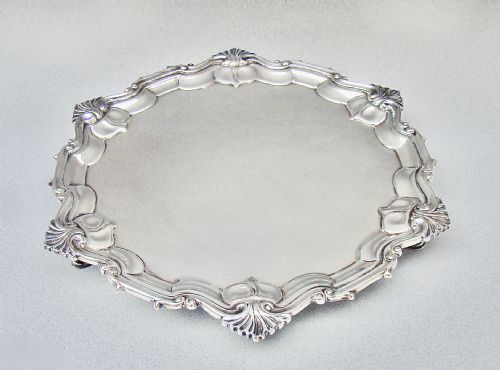
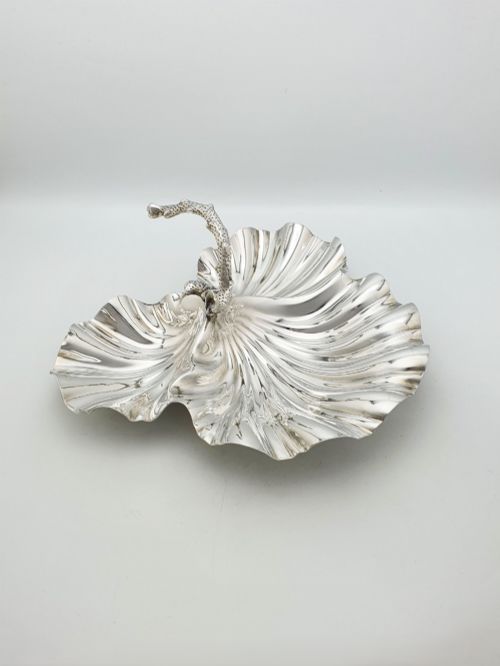
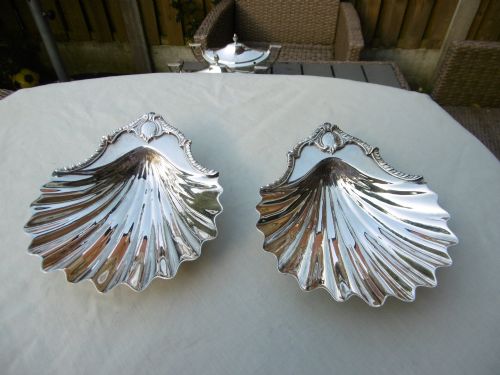


Silver Scallop Shell
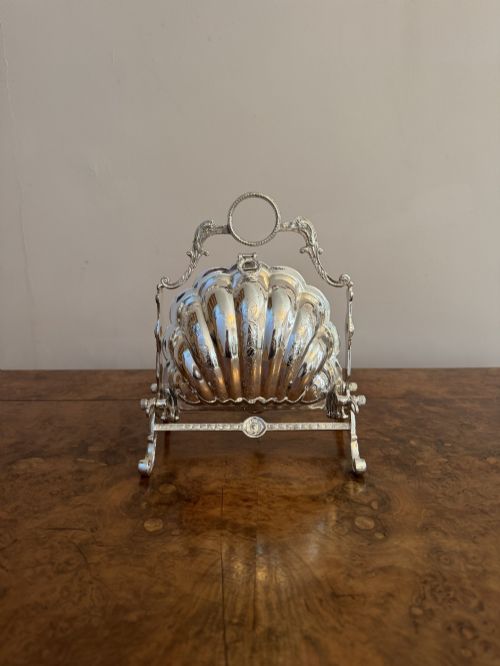
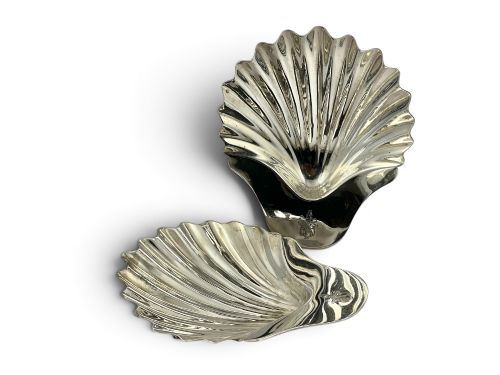
These silver scallop shell pieces bring marine naturalism to the table, offering tactile bowls for butter, salt and service.
Silver Scallop Shell
A silver scallop shell takes the fluted, fan-like form of the marine mollusc, translated into tableware across the Georgian, Victorian and Edwardian periods.
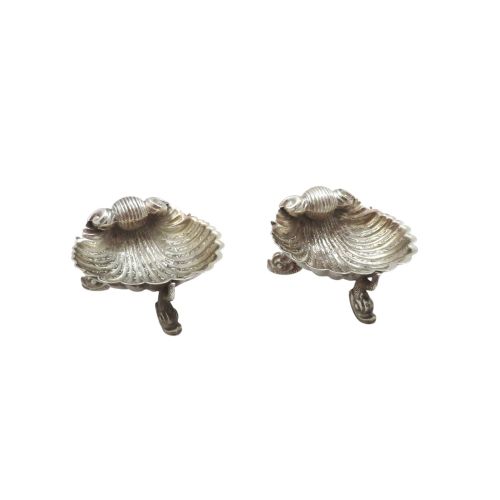
The selections on this page range from small salt cellars and butter dishes resting on tiny ball feet to large serving spoons with shell bowls and decorative dishes.
Buyers will frequently meet Victorian and Edwardian iterations in sterling silver and silver plate, alongside earlier George III examples.
Materials and methods
Silversmiths utilised sterling silver and silver plate, occasionally applying silver gilt to the interior surfaces of the bowls for a rich contrast.
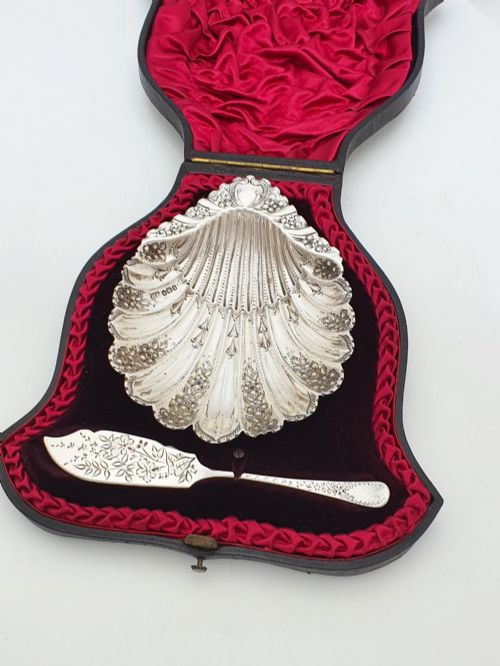
Construction involved hammering, casting and chasing sheet silver to define the radiating ribs and hinges of the shell, sometimes mounting them with coral handles or resting them within fitted leather and silk cases.
Silver Scallop Shell Retail Price Guide 2026
Typical asking prices for silver scallop shell among the pieces listed under this phrase on Sellingantiques today, from the lower quarter to the upper quarter. They describe what is for sale here now, not the wider market.
One Victorian dish comes equipped with a stylised coral handle, bringing a touch of deep-sea realism straight to the dining table.
Judging the work
Quality rests upon the crispness of the chased fluting and the structural integrity of the small cast feet that support the bowl off the table.
Higher tier pieces display careful attention to naturalistic detail, such as stylised coral handles or crisp hinge mechanisms on folding boxes, rather than purely mechanical pressing.
William Hutton & Sons·William Plummer·The Goldsmiths & Silversmiths·Edward Farrell·Garrard·Elkington·Whiting Co.
The Silver Scallop Shell Glossary
- Sterling silver
- A silver alloy containing 92.5 percent pure silver and 7.5 percent other metals, usually copper, ensuring durability for tableware. It forms the primary metal for the finest butter dishes and salt cellars.
- Silver gilt
- Silver that has been coated with a thin layer of gold on its surface. This technique protected the silver from food acids in butter and salt.
- Electroplated nickel silver
- A base metal of nickel, copper and zinc coated with a layer of silver through electrolysis. It provided an accessible alternative to solid sterling silver during the nineteenth century.
- Rococo revival
- A design style drawing on eighteenth-century motifs of asymmetrical scrolls, shells and plant forms. It influenced the ornate salt cellars and butter dishes of the Victorian period.
- Salt cellar
- A small open vessel used to hold salt at the dining table before the invention of the salt shaker. Scallop shell forms were a favoured shape for these miniature dishes.
Silver Scallop Shell: Frequently Asked Questions
What were silver scallop shell dishes used for?
These pieces served functional roles at the dining table, holding portions of butter, salt or condiments during formal meals. Serving spoons with shell-shaped bowls portioned berries or sauces.
Over time, many of these items transitioned from active dining implements to decorative display pieces or vanity accessories housed in original fitted boxes.
How do I date a silver shell dish?
Dating relies heavily on hallmarks stamped into the metal, which indicate the assay office, date letter and maker's mark. Stylistic clues also help, as Georgian pieces tend toward restrained Rococo design while Victorian examples embrace naturalism.
Examining the manufacturing method, such as cast versus electroplated construction, narrows the period of origin further.
How do I care for antique silver shell items?
Care requires gentle cleaning with a soft cloth and specialised silver polish to remove tarnish without abrading the chased details of the shell. Avoid harsh chemical dips, particularly on pieces with silver gilt or delicate applied handles.
Store items away from damp environments, and use fitted boxes or soft rolls if the pieces include velvet or silk linings.
Are these pieces made of solid silver?
The listings encompass both solid sterling silver and silver plate, including electroplated nickel silver. Each piece's description specifies the material, and hallmarks on sterling items verify the silver standard.
Silver-gilt variations feature a gold wash over the silver base, which requires the same gentle maintenance as solid silver.