


Silver Presentation Box Set
These silver presentation box set pieces bring fitted cases and tailored luxury to dining, christenings and ceremony.
Silver Presentation Box Set
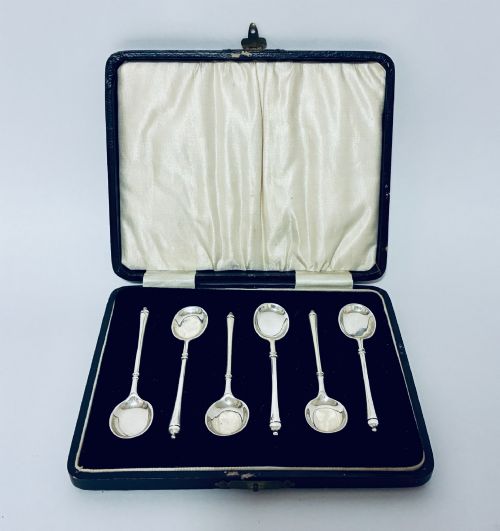
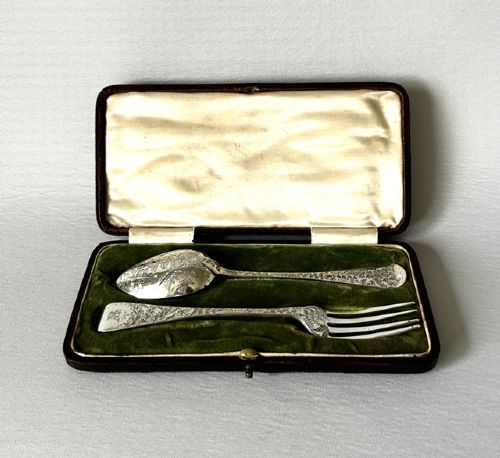
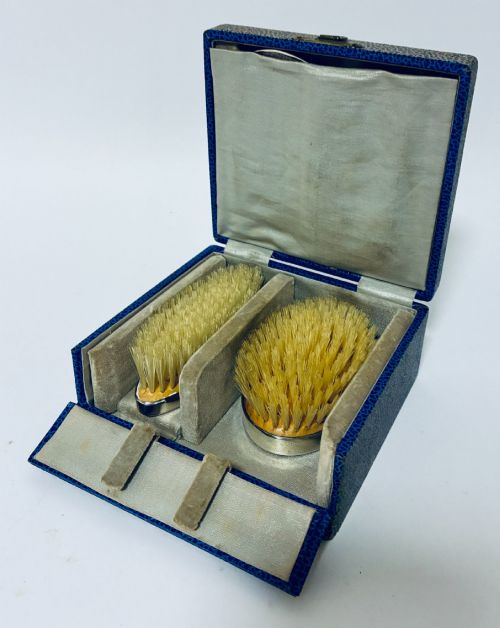
A silver presentation box set comprises matched silverware or service items housed within a dedicated fitted case, spanning periods from the Victorian era through Art Deco. You will encounter christening sets, coffee spoons, napkin rings and serving cutlery nestled securely in their original compartments.
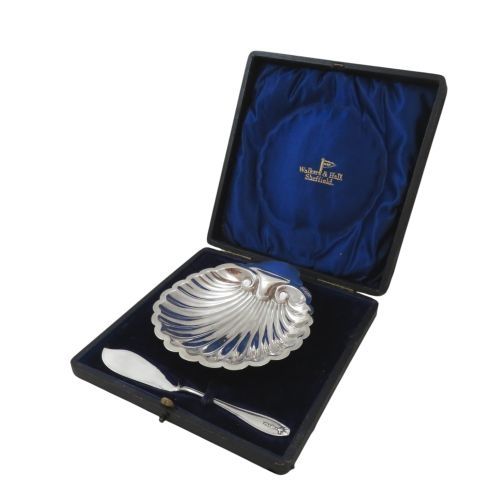
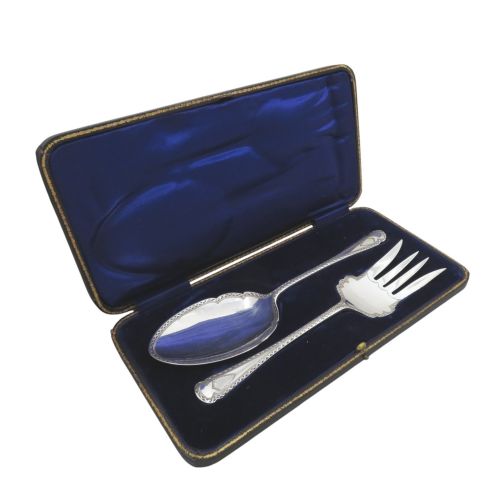
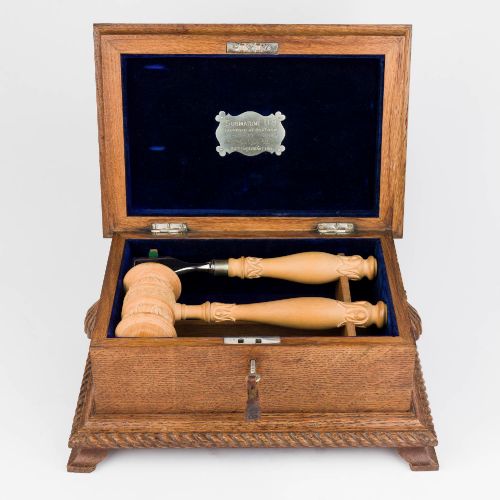
The assortment extends from modest sets of six shot glasses or butter knives to substantial fish servers, salt cellars and specialised maritime launching caskets. These groupings reflect formal domestic dining, commemorative gifting and presentation occasions across the nineteenth and twentieth centuries.
Materials and construction
Items are formed primarily from sterling silver, silver plate and occasional Dutch pieces, paired with interior linings of silk, velvet, satin, leather or leatherette. Makers constructed sturdy wooden or card carcasses covered in protective outer skins to house delicate hollowware and flatware securely.
Interiors feature custom recesses and fitted retaining straps designed to cradle each specific spoon, fork or napkin ring safely during transit or storage.
Some presentation boxes housed items as specific as six silver shamrock buttons alongside traditional flatware.
Judging quality in cased silverware
Quality depends upon the integrity of the original presentation case alongside the condition of the silver within. Complete sets retaining their correct fitted linings command greater interest than those with replacement interiors or missing elements.
The distinction also lies in the weight and decorative execution of the silverware itself, ranging from plain functional forms to intricate patterns such as shell or Coburg designs.
Mappin And Webb·Robert Stebbings·George Unite·Cartier
The Silver Presentation Box Set Glossary
- Sterling silver
- A silver alloy containing 92.5 percent pure silver and 7.5 percent other metals, usually copper, ensuring structural durability for tableware.
- Silver plate
- A base metal substrate coated with a thin layer of pure silver through electroplating or older mechanical methods.
- Leatherette
- A simulated leather material utilising a fabric base coated with a plastic or PVC layer, commonly found on later presentation cases.
- Hollowware
- Tableware items such as bowls, salts and condiment sets that possess volume, distinguished from flatware.
- Flatware
- Dining utensils such as spoons, knives and forks that are relatively flat in profile.
Silver Presentation Box Set: Frequently Asked Questions
What items are typically found in a silver presentation box set?
You will most frequently encounter flatware sets including coffee spoons, dessert spoons, butter knives and serving cutlery. Other common configurations feature napkin rings, salt cellars, christening sets and shot glasses.
More specialised groupings include fish servers, nutcrackers and commemorative items such as naval launching caskets or button sets.
How can I identify the date of my silver presentation box set?
Dating relies heavily on hallmarks stamped into the silver components, which indicate the assay office, standard and specific year letter. The style of the box, exterior covering materials like leatherette or velvet, and interior typography also offer strong chronological clues.
Comparing the box construction and fastener types against known period examples helps narrow down the decade of manufacture.
Were these sets meant for everyday use?
Most presentation sets were created for special occasions such as weddings, christenings, retirements or official commemorations. They were primarily intended to be kept in reserve for formal dining or displayed as presentation pieces.
The inclusion of delicate silk and velvet linings indicates they were designed for safe storage rather than rough daily handling.
How should I care for the velvet and silk inside the box?
Interior fabrics should be kept dry and protected from direct sunlight to prevent fading and deterioration of the delicate pile. Gentle dusting with a soft, dry brush is recommended, avoiding any liquid cleaners that might stain the fabric or weaken the adhesive beneath.
Leaving the box open periodically in a well-ventilated room helps prevent dampness and musty odours from settling into the lining.