






Silver Plated Box Set
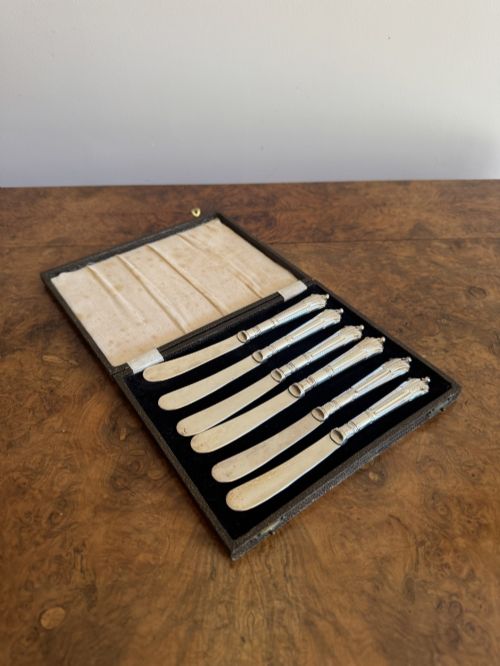
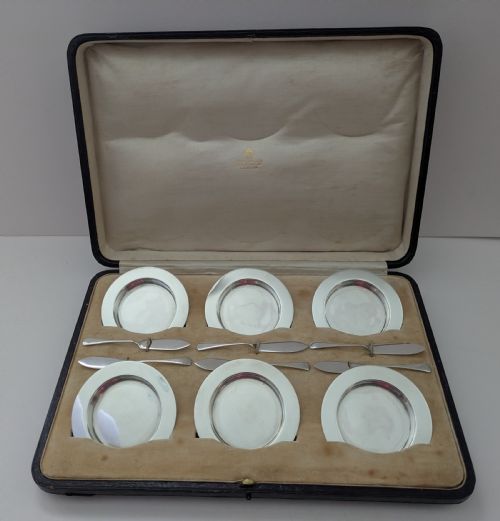
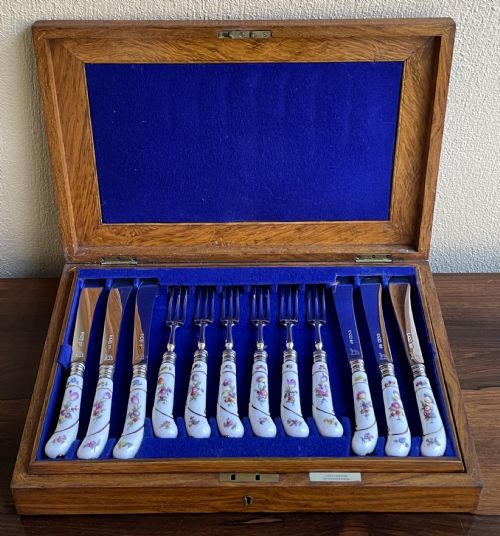
A silver plated box set brings together fitted utensils, glassware or desk wares in original oak, velvet or silk lined housings from the Victorian and Edwardian eras.
Silver Plated Box Set
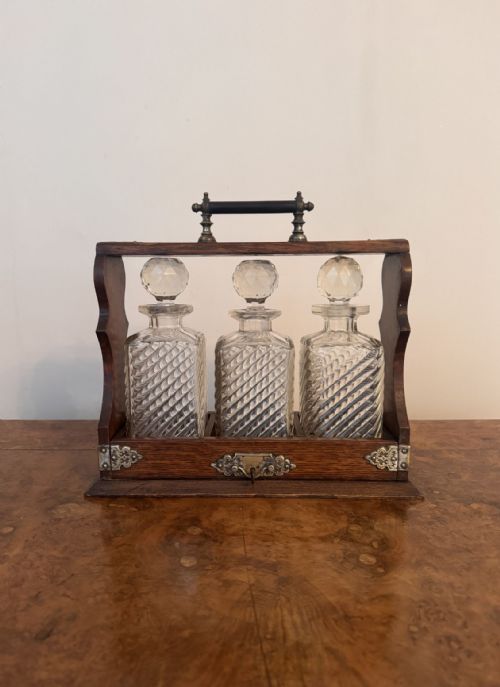
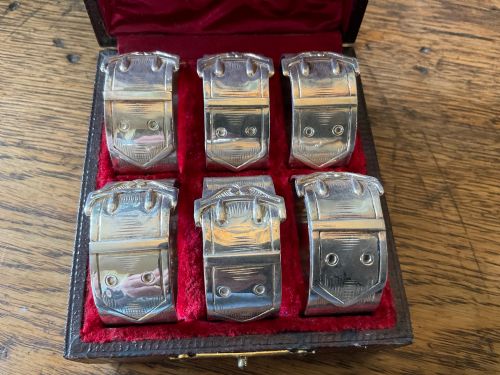
A silver plated box set groups matched implements such as cutlery, napkin rings, dessert servers, inkwells or decanters inside a dedicated fitted case. These groupings serve specific dining, writing or entertaining functions developed for nineteenth and early twentieth century households.
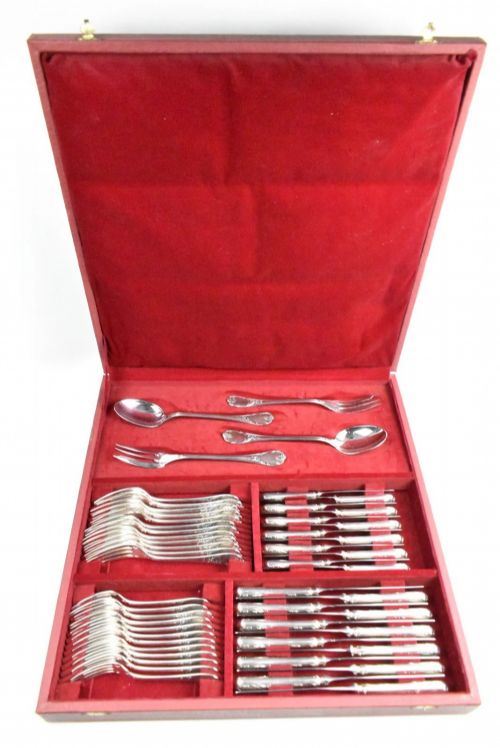
The version most frequently met on this page is the cased cutlery or flatware set, often arranged in tiers within an oak or wood canteen alongside serving pieces. Tantaluses, desk inkstands and specialised fruit or fish sets also appear across Victorian and Edwardian periods.
Makers housed these collections in velvet and silk lined compartments to protect the silver plate and glass components during storage. Each compartment matches the specific form of the cutlery, glasses or accessories it holds.
Materials and Construction
Craftsmen applied silver plating over base metals or created heavier Old Sheffield plate for durable tableware, combining the lustre of silver with structural rigidity. Fitted interiors utilised solid wood cases, predominantly oak, lined with plush velvet or silk fabrics.
Details incorporate cut glass for inkwells and decanters, porcelain inserts, and mother-of-pearl handles fitted to fruit knives and forks. Metal mounts, locks and hinges secure the wooden housing while protecting the contents.
Silver Plated Box Set Retail Price Guide 2026
Typical asking prices for silver plated box set among the pieces listed under this phrase on Sellingantiques today, from the lower quarter to the upper quarter. They describe what is for sale here now, not the wider market.
Listings feature items from the Victorian, Edwardian, and Art Deco periods, utilising silver plate, oak, velvet, silk, glass, and metal.
Distinctions in Execution
Quality rests in the completeness of the original set and the integrity of the fitted interior housing. Sets retaining every matching spoon, knife, fork or glass bottle without replacement pieces stand apart from assembled gatherings.
The refinement of the silver plating, the precision of the velvet or silk lining compartments, and the joinery of the oak or wood box dictate the standing of the piece. Makers who incorporated branded shields, complex locking mechanisms or detailed cast mounts elevated the standard of the production.
Christofle Marly·Carrington·Asprey and Co·Harrods·W M F·Waring and Gillows·Hukin and Heath·Philip Ashberry
The Silver Plated Box Set Glossary
- Tantalus
- A locking wooden frame holding decanters visible yet secured from unauthorized access. The mechanism typically holds two or three glass bottles.
- Canteen
- A fitted wooden box or chest designed specifically to store a complete flatware or cutlery service in organised tiers. Oak is a common material for these housings.
- Old Sheffield Plated
- An early form of silver plating created by fusing a sheet of silver to a copper base before shaping. This technique predates modern electroplating methods.
- Smoking Compendium
- A fitted box or stand containing receptacles for smoking accessories such as matches, cigars and ash. Examples often incorporate glass and silver plate.
- Mother-of-Pearl
- The iridescent internal layer of pearl oyster shells used to fashion handles for fruit knives and butter spreads. It resists the acidic juices of fruit.
Silver Plated Box Set: Frequently Asked Questions
What is a silver plated box set used for?
These sets served specialised domestic tasks including formal dining, desk correspondence, entertaining with decanters, and grooming. Each fitted case kept related implements organised for specific social rituals.
Interior compartments secured delicate glass, mother-of-pearl handles and silver plated cutlery during storage and transport within the home.
How do I care for silver plate and velvet linings?
Clean silver plated surfaces gently with appropriate non-abrasive polishes designed to preserve the thin metallic layer over the base metal. Avoid harsh chemical immersion that can damage surrounding wood or fabric.
Keep velvet and silk linings dry and free from direct sunlight to prevent fading and deterioration of the historic textiles inside the box.
How do I distinguish Victorian from Edwardian sets?
Victorian pieces often display heavier Rococo Revival ornamentation, darker figured oak, and elaborate cast details on metal mounts. The Victorian era spans from eighteen thirty-seven to nineteen hundred.
Edwardian sets, produced between nineteen hundred and nineteen ten, lean toward lighter woods, refined Art Nouveau influences, and streamlined designs suited to changing dining habits.
Are replacement pieces common in these sets?
Many cased services have experienced use over generations, which occasionally leads to mixed or replacement cutlery items within the original box. Inspecting the engraved monograms, maker marks, and matching handle materials helps confirm original uniformity.
Completely matching sets with zero replacements remain scarcer and represent higher preservation standards for collectors.