






Silver Plate Spoon
A silver plate spoon brings tactile nineteenth and twentieth-century elegance to the table, taking forms from functional grapefruit sets to sculptural novelty warmers.
Silver Plate Spoon
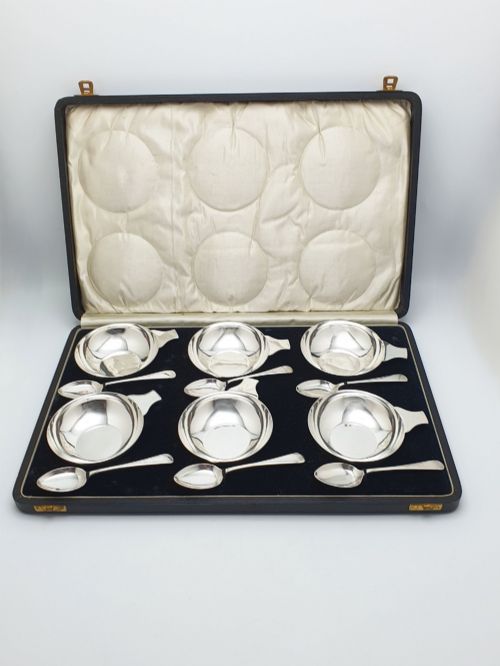
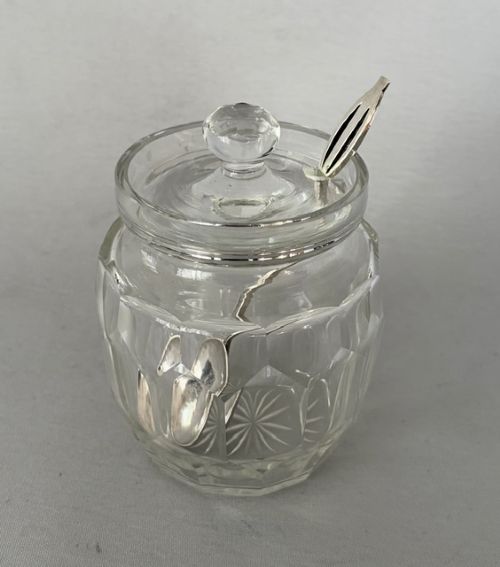
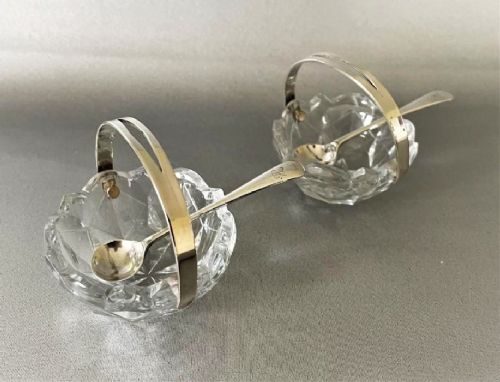
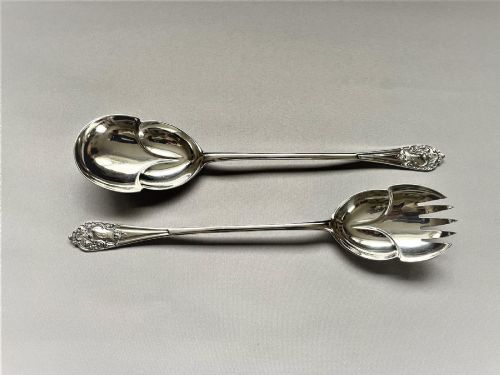
A silver plate spoon encompasses domestic tableware from the Victorian, Edwardian, and Art Deco periods, ranging from individual grapefruit and dessert implements to specialised service pieces. These items appear across cased cutlery sets, preserve dishes, and elaborate table cruets, reflecting diverse dining habits of past decades.
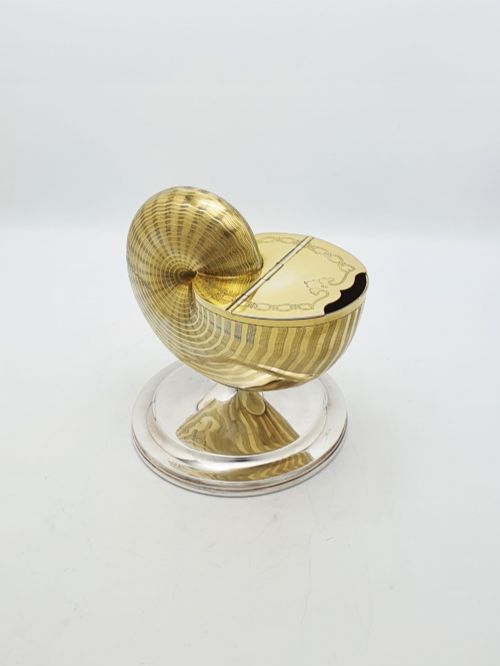
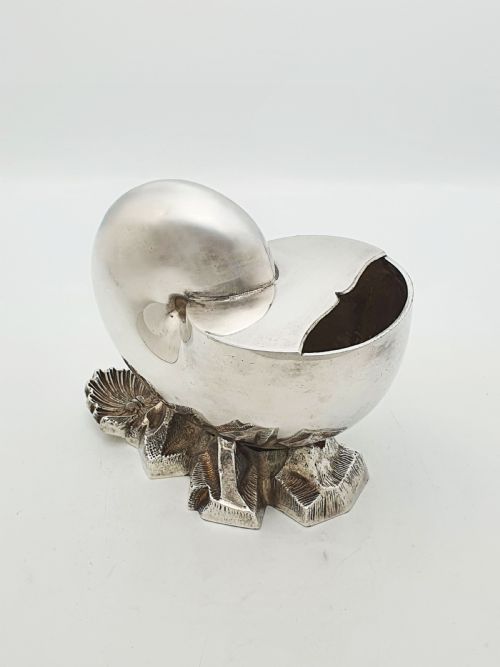
Novelty forms emerge frequently among the selections, including nautilus shell and shoe-shaped spoon warmers alongside marine buoy designs. Such pieces demonstrate how utilitarian Victorian and Edwardian dining accessories often incorporated playful or marine-inspired motifs.
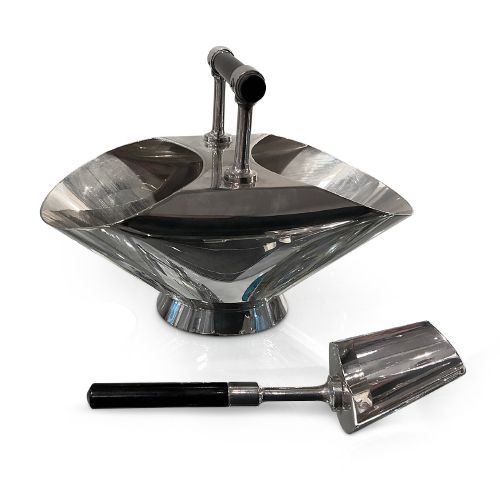
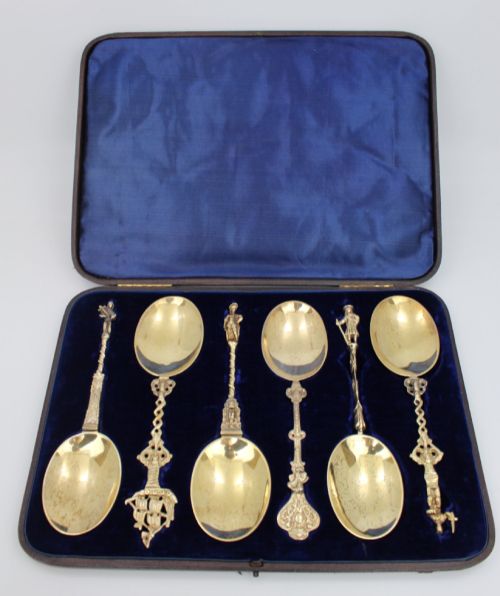
Flatware variations also include sifter spoons, fruit and nut serving sets, and apostle spoons finished in silver-gilt. These items span traditional British styles as well as mid-century continental European designs.
Assessing craftsmanship
The refinement of the casting and the crispness of chased or engraved ornament separate standard flatware from exceptional table service items. Pieces featuring detailed novelty shapes, such as marine buoys or shoes, demonstrate higher degrees of Victorian silversmithing skill.
The integrity of the underlying silver plating over the base metal, alongside the preservation of original gilding, determines the durability and visual appeal of individual spoons and serving sets.
Silver Plate Spoon Retail Price Guide 2026
Typical asking prices for silver plate spoon among the pieces listed under this phrase on Sellingantiques today, from the lower quarter to the upper quarter. They describe what is for sale here now, not the wider market.
Listings feature items from the Victorian, Edwardian, Art Deco, and mid-century periods, utilising silver plate, sterling silver, cranberry glass, and cut glass.
Deakin & Francis·Christofle·Hukin & Heath·Thomas Harwood and Co·Macabo
The Silver Plate Spoon Glossary
- Silver-gilt
- Silver that has been coated with a thin layer of gold on its surface. This technique imparts a rich, warm tone to apostle spoons and sifter pieces.
- Spoon Warmer
- A dedicated vessel designed to hold hot water, keeping table spoons warm during multicourse nineteenth-century meals. These appear in whimsical forms like nautilus shells and marine buoys.
- Cruet Set
- A matched collection of bottles, jars, or cruets mounted in a frame for holding condiments at the dining table. They frequently incorporate silver-plated spoons and cut glass.
- Apostle Spoon
- A ceremonial or decorative spoon featuring the figure of an apostle cast on the handle terminal. Cased sets of these items are often finished in silver-gilt.
- Sifter Spoon
- A utensil with a perforated bowl intended for dusting sugar over food items. They are commonly produced in decorative Arts and Crafts or Victorian styles.
Silver Plate Spoon: Frequently Asked Questions
What is a silver plate spoon?
A silver plate spoon is a dining utensil or serving implement created by bonding a layer of silver onto a base metal core. The selections span Victorian, Edwardian, and mid-century eras, encompassing everything from everyday flatware to novelty warmers.
These pieces reflect the changing domestic tastes of the nineteenth and twentieth centuries, utilising materials like silver-gilt, cut glass, and oak alongside standard plating techniques.
How were spoon warmers used?
Victorian diners filled spoon warmers with hot water to keep their dining spoons warm before serving course dishes. They sat directly on the table as both practical items and decorative conversation pieces.
Craftsmen shaped these vessels into imaginative forms such as nautilus shells, shoes, and sauce boats to amuse guests during formal meals.
How do I date a silver plate spoon?
Dating relies on stylistic clues, registered design marks, and associated cased sets from periods like the Edwardian era or the Art Deco movement. Design motifs such as Arts and Crafts hand-finishing or Victorian ornamentation offer clear chronological markers.
Makers' marks stamped onto the metal surface also help pinpoint the origin and decade of production for many items.
How should I care for silver plate?
Gentle cleaning with a specialist silver cloth preserves the plated surface without wearing away the underlying metal. Avoid abrasive cleaners that can damage delicate gilding or engraved details on antique flatware.
Store pieces in dry environments, ideally within fitted velvet or cased compartments, to prevent tarnishing between uses.