


Silver Plate Pedestal Bowl
A silver plate pedestal bowl brings height and polish to a table, offering a sturdy yet elevated vessel for fruit, flowers, or presentation.
Silver Plate Pedestal Bowl
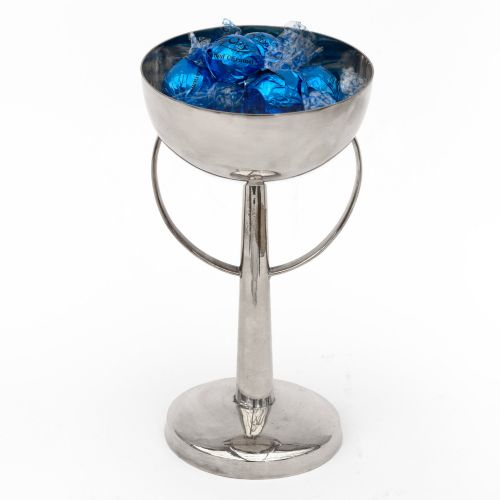
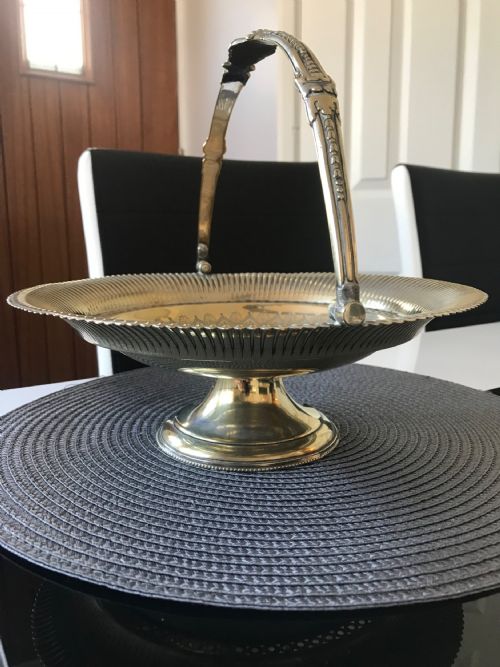
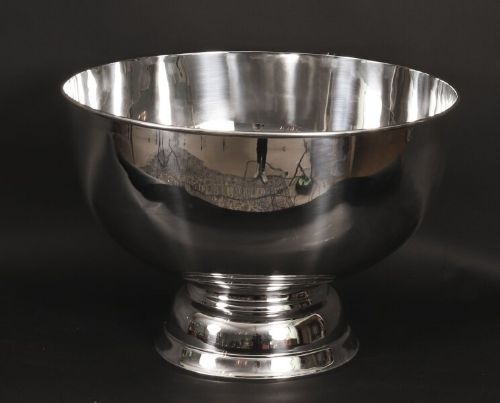
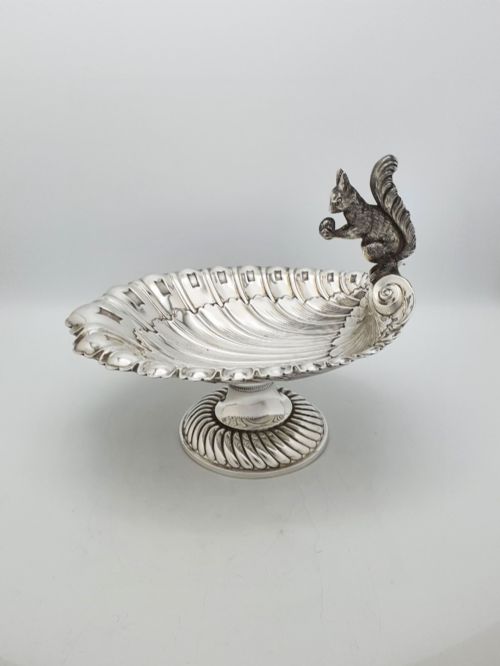
A silver plate pedestal bowl stands raised upon a foot or stem, taking forms such as fruit baskets, tazzas, punch bowls, and champagne coolers. These items serve both decorative and practical purposes on dining tables and sideboards.
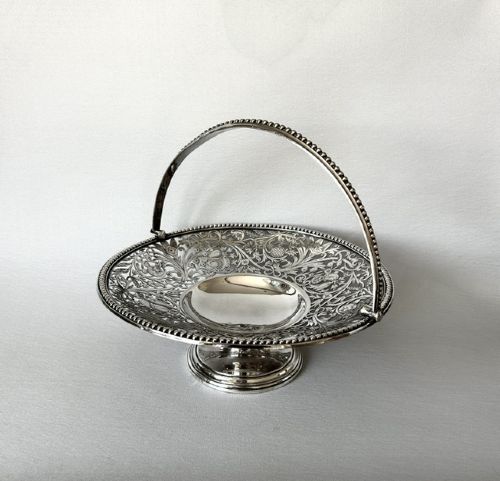
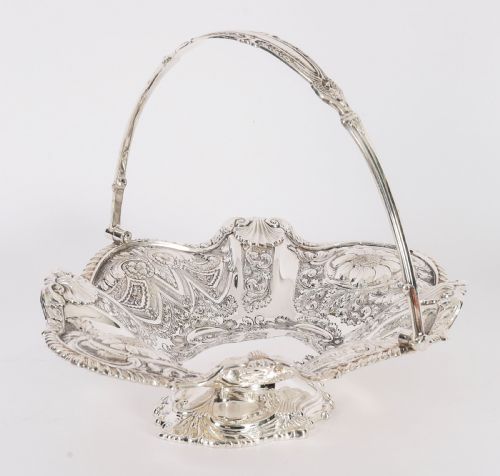
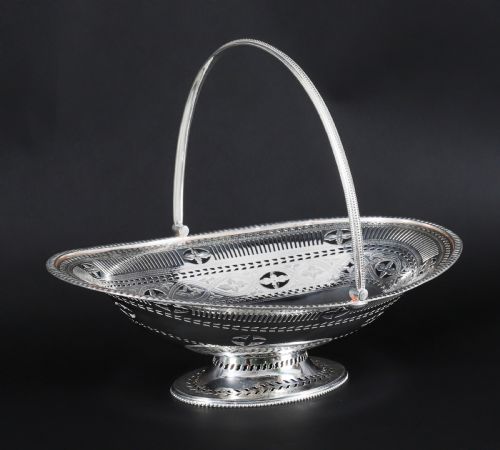
Victorian and Edwardian versions appear frequently, often displaying pierced work, loop handles, or swing handles. Makers also produced styles ranging from Georgian and Neoclassical to Art Nouveau and Art Deco.
Origins include English workshops and continental firms, spanning the eighteenth century through the twentieth century. Many pieces incorporate glass or cut crystal liners alongside metal bodies.
How they were made
Smiths formed the structural bodies from silver plate, electroplated nickel silver, copper, brass, and bronze, sometimes applying a gold wash for interior contrast. Older items utilise Old Sheffield plate methods, fusing a thin layer of silver to a copper base.
Craftsmen shaped the metal through spinning, casting, and hand-piercing to create intricate lattice patterns on baskets and bowls. Manufacturers also integrated cut crystal and glass inserts into metal frames for centrepieces and tazzas.
Materials across the inventory include silver plate, electroplated nickel silver, copper, brass, bronze, glass, and cut crystal.
What varies in quality
The weight of the metal and the crispness of the casting set finer examples apart from standard production items. Substantial gauge silver plate on copper maintains structural integrity better over generations of use.
Detailing in chased ornamentation, hand-pierced gallery work, and the integration of secondary materials like cut crystal dictate the distinction between ordinary serveware and masterworks.
George W. Scott & Sons Ltd·Mappin & Webb·WMF·Barker Ellis·Daniel and Arter·Christofle et Cie·Walker & Hall
The Silver Plate Pedestal Bowl Glossary
- Electroplated nickel silver
- A base metal alloy of copper, nickel, and zinc coated with a layer of silver via an electrical current. This technique became widespread during the nineteenth century.
- Old Sheffield plate
- An early method of fusing a sheet of silver to a thicker copper core before shaping the metal. This process produces a characteristic warm glow where the copper shows through wear.
- Tazza
- A shallow bowl or dish mounted on a stem and foot, used historically for serving small portions of food or fruit. These pieces frequently double as decorative centrepieces.
- Punch bowl
- A large, deep vessel designed for mixing and serving communal drinks during social gatherings. They often feature generous proportions and twin handles.
- Gold wash
- A thin layer of gold applied to the interior surface of a silver plated vessel. This protects the base metal from acidic foods.
Silver Plate Pedestal Bowl: Frequently Asked Questions
How were pedestal bowls used historically?
These elevated vessels occupied the centre of dining tables to hold seasonal fruit, iced punch, or sweetmeats during formal meals. Their height allowed food and floral arrangements to sit above the clutter of plates and cutlery.
Secondary uses included wine and champagne cooling, where the deep basin accommodated ice alongside bottles. Wealthy households displayed them empty as decorative showpieces when not entertaining.
How do I clean silver plate safely?
Wash the piece gently in warm water using a mild, non-abrasive liquid soap and a soft cloth. Dry the metal thoroughly immediately afterwards to prevent water spotting.
Avoid harsh dips and aggressive commercial polishes that strip away the thin layer of silver plating over time. Regular, gentle buffing with a dedicated silver cloth preserves the finish.
How do I distinguish Victorian from Edwardian pieces?
Victorian items, dating from the mid to late nineteenth century, often display heavier ornamentation influenced by Rococo Revival, Neoclassical, or Gothic styles. Pierced scrollwork and elaborate cast handles mark this era.
Edwardian pieces from the early twentieth century tend to feature lighter, airier designs influenced by Art Nouveau or simplified classical motifs. Lines become cleaner and proportions more restrained.
Can I use these bowls for serving food?
Most silver plate vessels remain entirely suitable for serving dry foods, fruit, and baked goods. Items featuring a gold washed interior offer extra protection against acidic foods.
Avoid storing wet or highly acidic foods in plated bowls for extended periods to protect the metal surface. Hand washing is mandatory, as dishwashers will ruin the plating.