






Silver Metal Salver
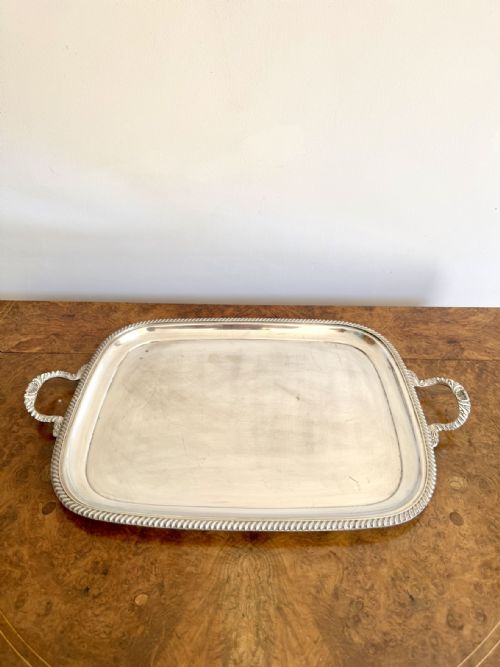
A silver metal salver sits ready to carry glasses or cards with genuine period weight and polish.
Silver Metal Salver
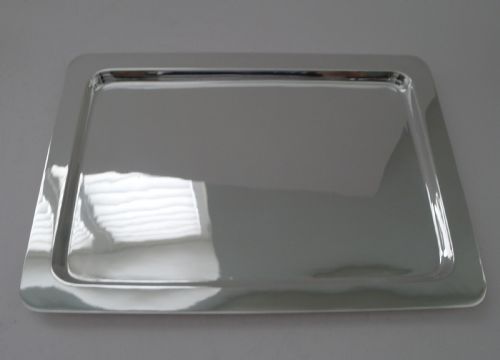
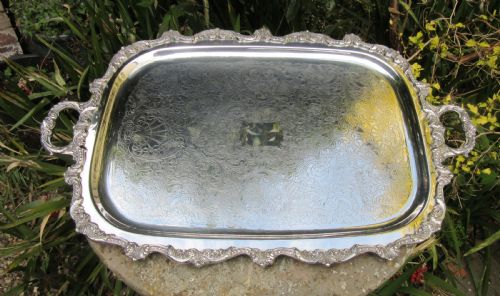
A silver metal salver serves as a formal serving vessel, taking the form of round card trays, cocktail platters, and generous serving trays. These pieces bridge the gap between practical service and display, often featuring raised rims and decorative borders.
The versions met most frequently on this page span the Victorian and Edwardian eras, alongside earlier Old Sheffield Plate examples and later Art Deco designs. Their origins stretch from English workshops to German makers, reflecting varied domestic uses across the nineteenth and early twentieth centuries.
How they were made
Makers utilised base metal, copper, and nickel silver as foundations for electroplating or older fusion techniques. Old Sheffield Plate combines copper with a thin fused layer of silver, creating distinct edge lines where the base metal shows through.
Silver plate and EPNS methods later replaced fusion plating, depositing silver onto nickel silver or base metal cores through electrical currents. Workshops finished these trays by hand, chasing borders and polishing surfaces to achieve a mirror finish.
Silver Metal Salver Retail Price Guide 2026
Typical asking prices for silver metal salver among the pieces listed under this phrase on Sellingantiques today, from the lower quarter to the upper quarter. They describe what is for sale here now, not the wider market.
Card trays once caught visiting cards dropped by callers who deemed the host not quite at home.
What varies in quality
The distinction between standard items and finer pieces lies in the weight of the metal and the crispness of the chased or engraved ornament. Thicker base metals and deeper silver deposits retain their structural integrity and plating through decades of use.
Design execution separates basic production from superior craftsmanship, visible in the balance of the rim and the proportion of the feet. Makers who invested care in the underside and border details produced pieces that hold their presence on a sideboard.
Padley Parkin·John Collyer and Co·Peters Hamburg·Fenton Russel
The Silver Metal Salver Glossary
- EPNS
- Electro Plated Nickel Silver. This designation indicates a base metal of nickel silver coated with a layer of silver via an electrolytic process.
- Old Sheffield Plate
- A method of fusing a thin sheet of silver to a thicker copper ingot before rolling them into sheets. This technique predates modern electroplating.
- Salver
- A tray, usually with feet, used for presenting glasses, letters, or visiting cards. The form remained a staple of formal hospitality through multiple stylistic periods.
- Chasing
- A metalworking technique where a hammer and punches push the metal from the front to create raised surface decoration without removing material.
Silver Metal Salver: Frequently Asked Questions
What is a silver metal salver used for?
These trays served historically for presenting drinks, calling cards, or small dishes in formal rooms. Today they function practically for serving cocktails or decoratively on sideboards and coffee tables.
The raised edges and solid construction make them stable for carrying glassware while adding reflective metallic texture to a room's interior scheme.
How do I clean a silver plated tray?
Maintenance requires a soft cloth and a specialised silver polish formulated to protect thin plating. Gentle, circular motions remove tarnish without wearing away the silver layer at the high points.
Avoid harsh abrasive cleaners or soaking the piece in chemical dips, as these methods can permanently damage the underlying base metal or exposed copper.
How do I tell Old Sheffield Plate from later silver plate?
Old Sheffield Plate often reveals a thin reddish line of copper along cut edges or worn spots where the fused silver layer has thinned. This technique relies on mechanical fusion rather than electricity.
Later silver plate, including EPNS, shows a uniform silver tone or a yellowish brassy base metal underneath when the plating wears through entirely.
What periods do these trays come from?
The pieces span the nineteenth and early twentieth centuries, covering Victorian, Edwardian, and Art Deco design movements. Earlier examples from the Georgian era utilise Old Sheffield Plate techniques.
Later twentieth-century iterations shift toward streamlined Art Deco shapes and standard electroplated nickel silver manufacturing methods.