


Silver Glass Table Clock
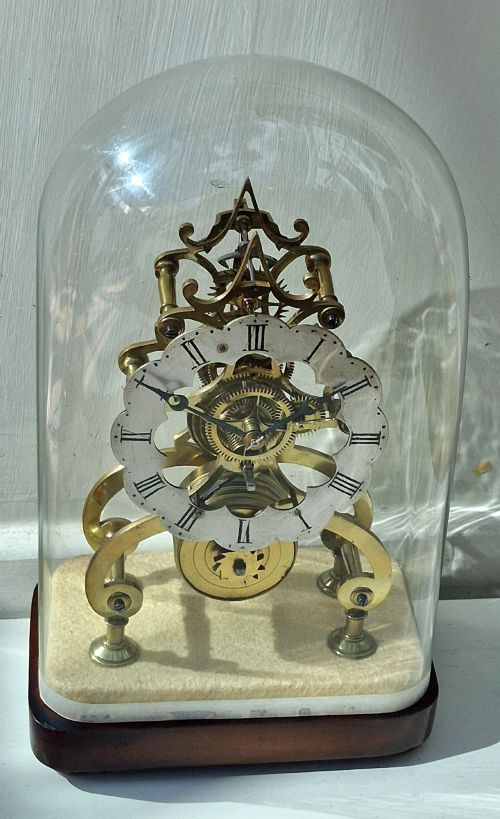
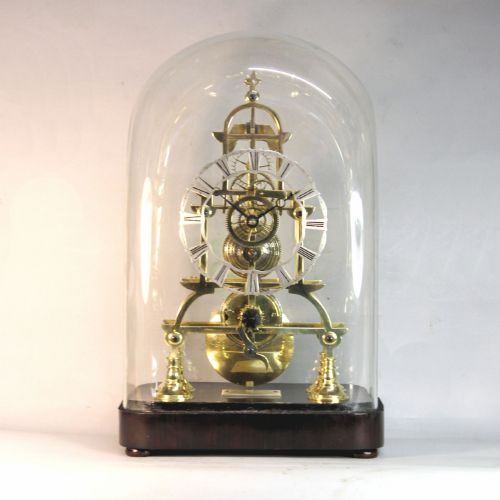
A silver glass table clock brings mechanical precision and luminous transparency together, offering a clear view of intricate brass and steel gear trains.
Silver Glass Table Clock
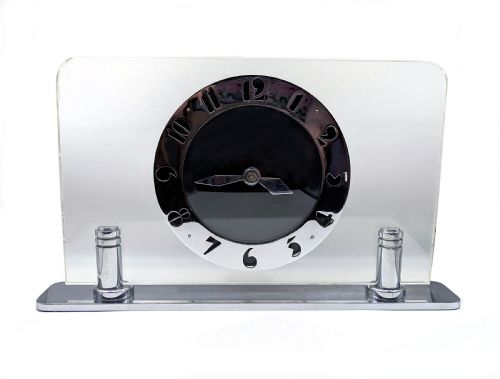
When you search for a silver glass table clock, you encounter transparent house forms that expose their inner workings, spanning from Victorian skeleton clocks to mid-century modern designs. The selection relies heavily on heavy plate glass panels, brass frameworks, and polished chrome finishes that reflect surrounding light.
You meet library clocks with five glass sides alongside skeleton clocks held between brass pillars, plus art deco mirrored desk models. These domestic timepieces sit on mantelpieces, desks, and tables, functioning as both instruments and transparent decorative objects.
How they were made
Makers housed movements within bevelled glass panels or open brass frames, securing brass, silvered metal, and chrome-plated components to marble, mahogany, or oak bases. Fusee movements and platform escapements were mounted directly to permit all-round visibility of the rotating balance wheels and striking gear.
Cases combined heavy cast brass, rhodium plating, and polished wood, while dials utilised silvered metal or glass with contrasting markers. The assembly required precise alignment so that delicate escapements and see-through transparent faces functioned without obstruction.
Materials documented across the inventory include bevelled glass, heavy cast brass, polished chrome, mahogany, rosewood, and silvered metal.
What varies in quality
The distinction between ordinary and exceptional examples rests in the finishing of the movement plates, the clarity and thickness of the bevelled glass panels, and the weight of the cast brass or chrome frames. Superior pieces display hand-engraved brass plates, fire-gilded components, and robust fusee or Atmos mechanisms that maintain precise timekeeping through temperature variation.
Simpler clocks rely on mass-produced electric or standard wind-up movements housed in lighter metal or mirrored cases. The presence of signed maker dials and complex striking or chiming trains elevates the standing of an individual clock considerably.
Smiths Clockmakers·Richard Winter of Chieveley·Thwaites of London·Walker·Dent·W&H·Mappin & Webb·Jaeger Le Atmos·Le Roy et Fils à Paris·John Massey·Jaeger·Le Coultre
The Silver Glass Table Clock Glossary
- Skeleton clock
- A timepiece designed with open brass plates that expose the complete gear train and escapement to view. They often feature Gothic architectural or classical proportions.
- Fusee
- A conical pulley connected to the mainspring by a chain or cord that equalises the torque as the spring unwinds. This mechanism improves the accuracy of mechanical timepieces.
- Atmos clock
- A mechanical table clock driven by changes in atmospheric temperature and pressure acting on a sealed gas-filled bellows. This system winds the mainspring continuously without human intervention.
- Platform escapement
- A self-contained escapement unit mounted on a small brass platform within the movement. It allows portable clocks to keep accurate time in various orientations.
- Five glass library clock
- A mantel clock enclosed by glass panels on the top and all four sides. This arrangement illuminates the interior dial and movement from multiple angles.
Silver Glass Table Clock: Frequently Asked Questions
What is a skeleton clock?
A skeleton clock is a timepiece constructed with minimal framework and open plates, allowing the entire gear train and escapement to remain visible from the exterior.
These pieces were produced in Victorian times and housed under glass domes or within architectural brass frames to display the mechanical arrangement.
How does an Atmos clock work?
An Atmos clock operates using a hermetically sealed capsule containing a gas and liquid mixture that expands and contracts with minor temperature shifts. This continuous movement winds the mainspring automatically without batteries or manual key winding.
Invented in the twentieth century, these precision instruments require stable placement on a firm surface away from direct drafts.
Where should I place a glass clock?
Glass and brass timepieces suit stable surfaces like mantelpieces, side tables, or desks where they receive adequate light to illuminate the internal movement. Avoid locations subject to heavy vibrations or direct sunlight that might affect delicate escapements or discolour wooden bases.
Ensure the table or shelf remains level so pendulum-free platform escapements and delicate balance wheels operate smoothly.