

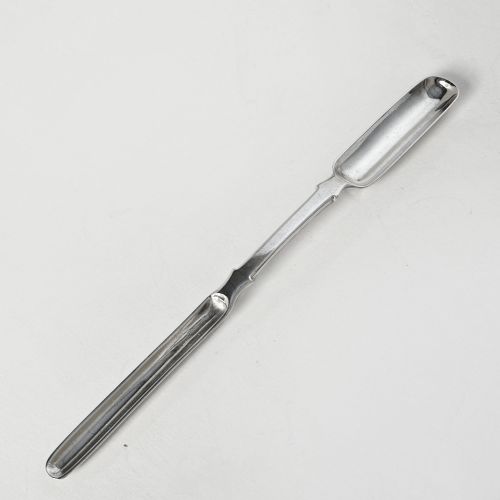
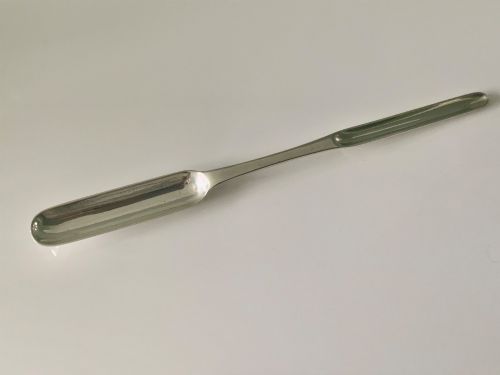
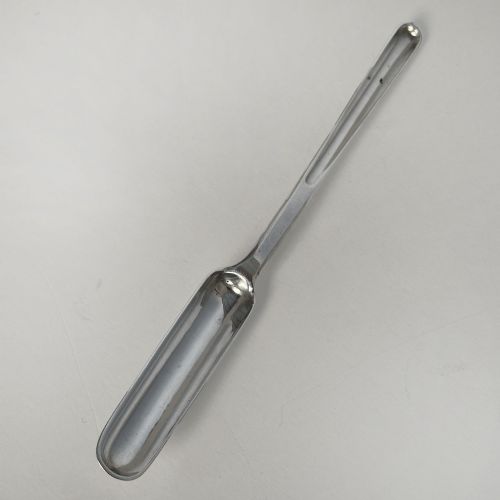


Silver Flatware Marrow Scoops
Silver flatware marrow scoops are functional dining utensils from past centuries designed for extracting marrow, offering a tactile link to historical dining habits.
Silver Flatware Marrow Scoops
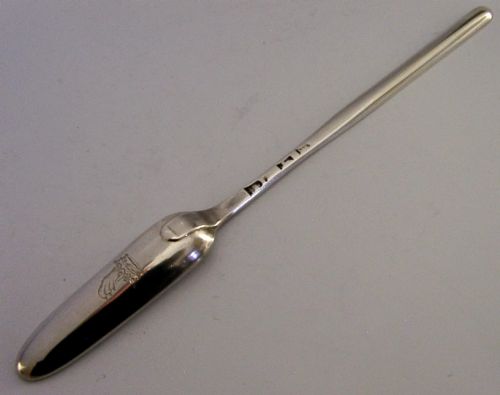
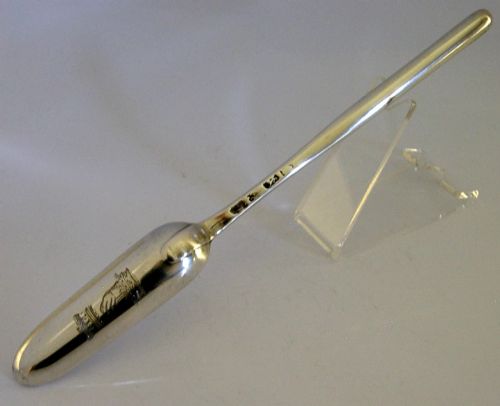
When you search for silver flatware marrow scoops, you encounter specialised cutlery designed for extracting bone marrow during formal meals. These utensils span the Georgian, William IV, and Queen Anne periods, reflecting changing dining customs across the eighteenth and nineteenth centuries.
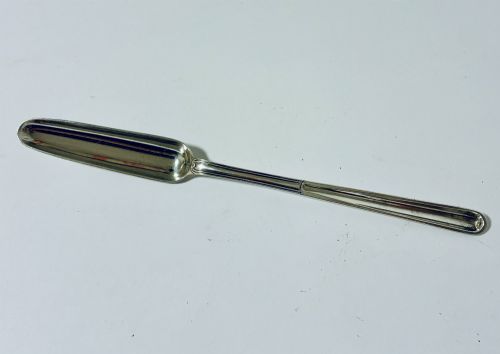
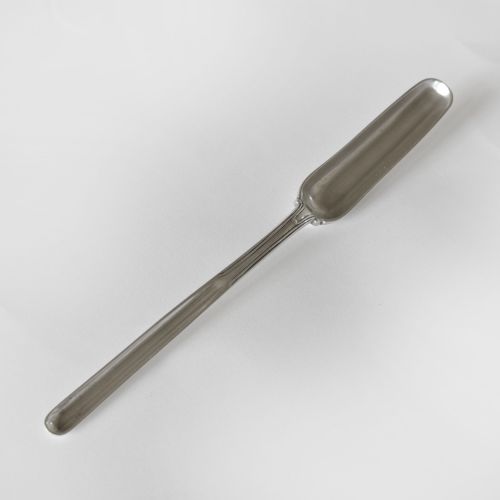
The forms listed here primarily include traditional marrow scoops and marrow spoons, fashioned in sterling silver, Britannia silver, and solid silver. Most examples originate from English and Irish makers working within the Georgian era and the broader nineteenth century.
Buyers are most likely to meet standard single or double-ended variations dating from the seventeen-hundreds onwards. These pieces demonstrate the specific functional requirements of period dining before modern cutlery sets standardised the table.
Materials and construction
These items are shaped from sterling silver, Britannia silver, and solid silver, utilising traditional silversmithing techniques appropriate for handling precious metal. The physical demands of scraping bone marrow required durable, high-grade silver alloys to maintain structural integrity under pressure.
Makers formed the characteristic narrow troughs by hand-hammering and shaping silver sheet or casting thicker metal sections. Handles and bowls were subsequently polished and finished with assay office marks where applicable.
Silver Flatware Marrow Scoops Retail Price Guide 2026
Typical asking prices for silver flatware marrow scoops among the pieces listed under this phrase on Sellingantiques today, from the lower quarter to the upper quarter. They describe what is for sale here now, not the wider market.
Listings for silver flatware marrow scoops span the Georgian era, the nineteenth century, and the year seventeen-hundred, utilising sterling, solid, and Britannia silver.
Assessing quality and manufacture
Quality in silver flatware marrow scoops rests upon the crispness of the maker's mark, the retention of original gauge thickness along the narrow trough, and the overall balance of the utensil. Pieces retain higher desirability when the engraved hallmarks remain clear and legible rather than rubbed down from centuries of polishing.
The elegance of the proportions, particularly the transition between the narrow spoon end and the scoop channel, separates standard workshop production from finer examples. Earlier pieces from the seventeen-hundreds often display distinct hand-wrought characteristics compared to later nineteenth-century output.
Benjamin Watts·Jonathan Hayne·Edward Power·Thomas Johnson
The Silver Flatware Marrow Scoops Glossary
- Marrow scoop
- A narrow, elongated utensil featuring a trough at one or both ends designed specifically for extracting marrow from animal bones. This specialised form was essential for formal dining tables in previous centuries.
- Britannia silver
- A silver alloy containing 95.84 percent pure silver, introduced by statute in England to restrict the melting of coinage. It appears on earlier pieces from the opening of the eighteenth century.
- Sterling silver
- A standard alloy consisting of 92.5 percent silver by mass, with the remainder composed of copper. This material provides the primary medium for the majority of flatware listed.
- Double ended
- A variation featuring functional bowls or scoops at both extremities of the stem. This layout offered versatility during formal serving.
Silver Flatware Marrow Scoops: Frequently Asked Questions
What is a silver marrow scoop?
A silver marrow scoop is a specialised piece of cutlery designed to extract marrow from bones during formal dining. These utensils feature a long, narrow trough suited to the task.
They emerged as distinct forms on dining tables during the Georgian and Queen Anne periods, reflecting elaborate historical dining customs.
How were marrow scoops used?
Diners used these implements during meat courses to scoop marrow from roasted bones. The narrow end typically served smaller bones, while the wider section handled larger cuts.
Their specific design ensured diners could access portions that standard spoons could not reach comfortably.
Are these utensils made of solid silver?
The pieces recorded utilise sterling silver, solid silver, and Britannia silver. These high-grade metal compositions ensured the utensils remained robust during use.
Makers avoided base metals, relying instead on precious silver alloys standard to British silversmithing.