





Silver Display Stand
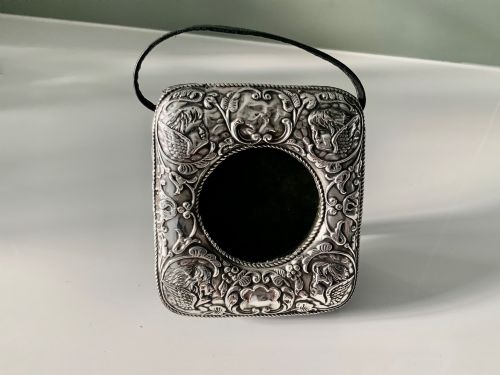
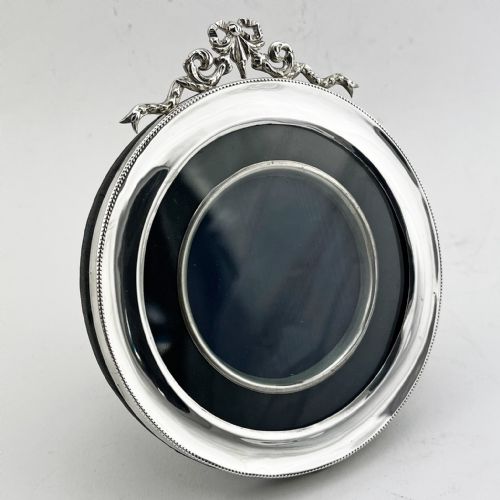
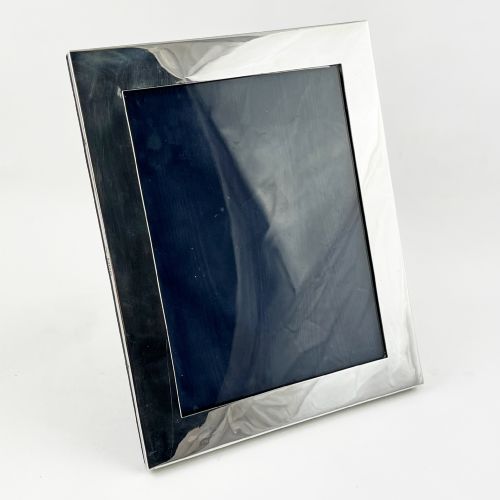
These pieces known as a silver display stand encompass everything from picture frames and epergnes to pocket watch holders, offering an elegant stage for treasured objects.
Silver Display Stand
A silver display stand serves to elevate and showcase smaller domestic objects, ranging from photographs to pocket watches and hatpins. When searching for a silver display stand, collectors encounter diverse forms spanning several decades.
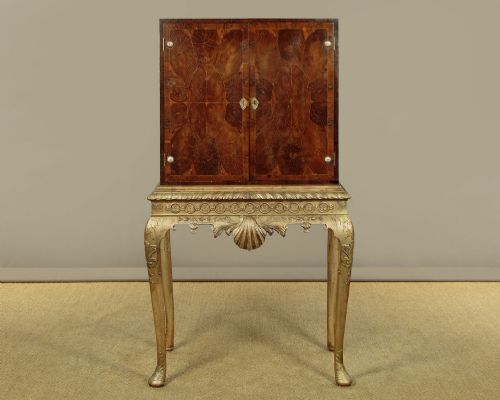
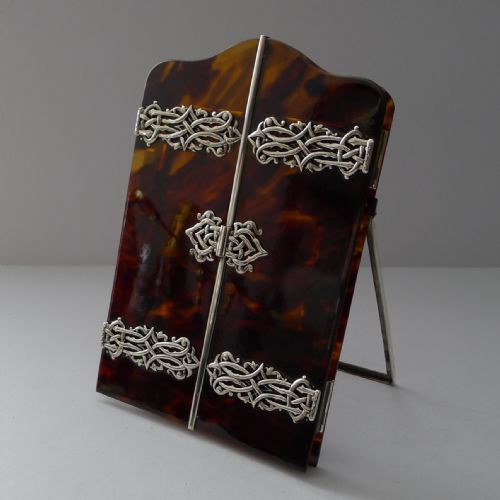
The selection on this page includes Victorian and Edwardian photograph frames, alongside George V epergnes, centrepieces, and cabinets on stands. These pieces reflect the varied social habits and interior tastes of the nineteenth and twentieth centuries.
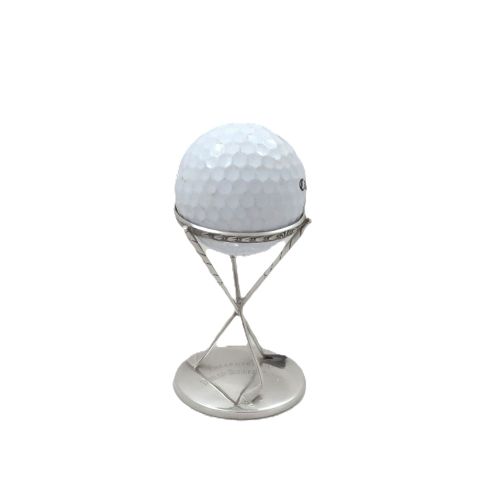
Frameless Art Deco mirrors, silver gilt cabinets, and specialised holders for golf balls or hatpins appear alongside traditional photo frames. Each item fulfills a specific domestic purpose of display or containment.
Materials and construction
Techniques range from cast and chased sterling silver mounts to electroplated silver on base metals. Cabinet pieces incorporate joinery and gilding, while frames frequently rely on fitted wooden or leather backs with easel supports.
Silver Display Stand Retail Price Guide 2026
Typical asking prices for silver display stand among the pieces listed under this phrase on Sellingantiques today, from the lower quarter to the upper quarter. They describe what is for sale here now, not the wider market.
Materials range from sterling silver, silver plate, and brass to glass, wood, leather, and velvet.
Judging quality in these pieces
Quality rests upon the crispness of the chased or stamped ornament, the weight and integrity of the silver or plate, and the preservation of original backing materials like leather or velvet. Maker marks and clear assay stamps provide definitive evidence of origin and standard.
The refinement of the supporting structure, whether a fitted wooden cabinet, a cast metal frame, or cut glass vessels, distinguishes finer examples. Intact original elements, such as matching glass inserts or original boxes, elevate the integrity of the piece.
Crisford & Norris·Elkington·Pinci Roma·William Comyns
The Silver Display Stand Glossary
- Sterling silver
- A silver alloy containing 92.5 percent pure silver and 7.5 percent other metals, usually copper, ensuring durability for domestic objects. This standard is frequently denoted by assay office marks on British items.
- Silver plate
- A layer of silver fused or electroplated onto a base metal foundation such as copper or nickel brass. This technique permitted the creation of larger display items at a lower cost.
- Epergne
- A large ornamental centrepiece featuring a central bowl with multiple branching trumpets or vases for holding flowers, fruit, or sweetmeats. These pieces dominate dining table displays from the Victorian and Edwardian eras.
- Hatpin stand
- A tall, weighted container designed to hold decorative hatpins upright on a dressing table. Examples often incorporate ceramic pots or detailed silver mounts in floral and thistle motifs.
- Mirror plateau
- A mirrored glass tray with a metal or wooden frame, placed upon a dining table or sideboard to reflect candlelight and display decorative objects.
Silver Display Stand: Frequently Asked Questions
What is a silver display stand used for?
These stands and frames were designed to elevate and exhibit specific domestic items, from portrait photographs and pocket watches to floral arrangements and hats.
They served both functional and decorative roles in Victorian and Edwardian interiors, organising personal accessories while adding bright metallic reflection to tabletops and mantelpieces.
How do I identify a Victorian piece?
Victorian examples often display heavy cast ornamentation, chased floral borders, and dark tortoiseshell or velvet backings. Look for period hallmarks that indicate the specific year and assay office of manufacture.
Makers from this era frequently employed substantial sterling silver mounts around glazed photograph compartments and complex epergne structures.
What is the difference between sterling and plate?
Sterling silver contains a guaranteed high proportion of pure silver throughout the object, marked with standard symbols like the lion passant. Silver plate consists of a thin layer of silver applied over a cheaper base metal foundation.
Plated items allow for larger display pieces like extensive epergnes and cake stands without the prohibitive weight and cost of solid silver.
How should I care for these items?
Maintenance requires gentle cleaning with appropriate silver polishes to remove tarnish without wearing away thin plating or delicate chasing. Avoid abrasive cloths on glass, tortoiseshell, or leather components.
Display environments should remain stable, away from excessive moisture or direct sunlight that might damage velvet linings, wooden backs, or mirrored surfaces.