






Silver Dining Knives
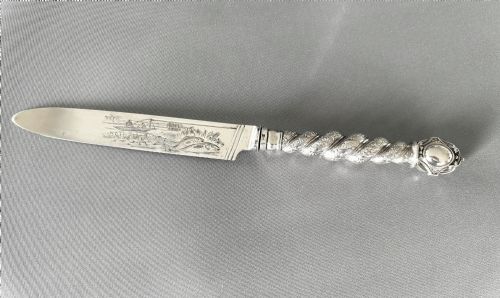
Silver dining knives gather the table with polished metal and carved handles, offering the practical weight needed for formal courses.
Silver Dining Knives
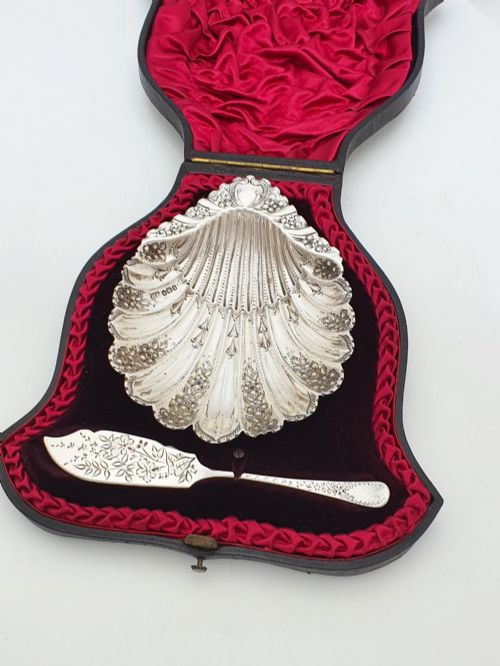
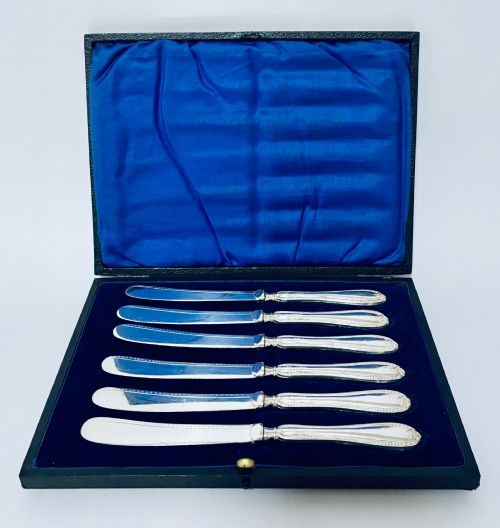
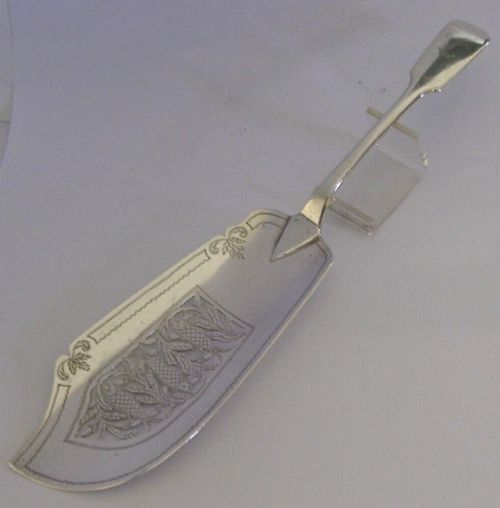
Silver dining knives encompass matched sets, fish servers, and individual butter spreaders originating from Victorian, Edwardian, and Georgian periods. Buyers searching for silver dining knives encounter diverse table implements, ranging from cased steel blades with mother of pearl to heavy sterling silver service pieces.
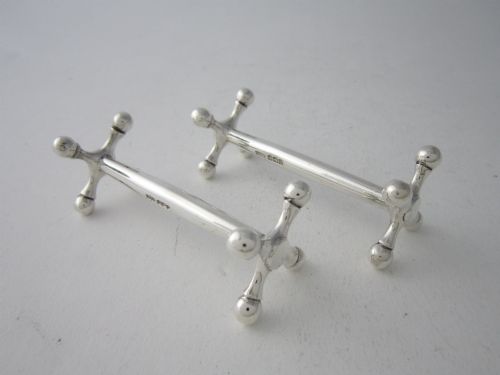
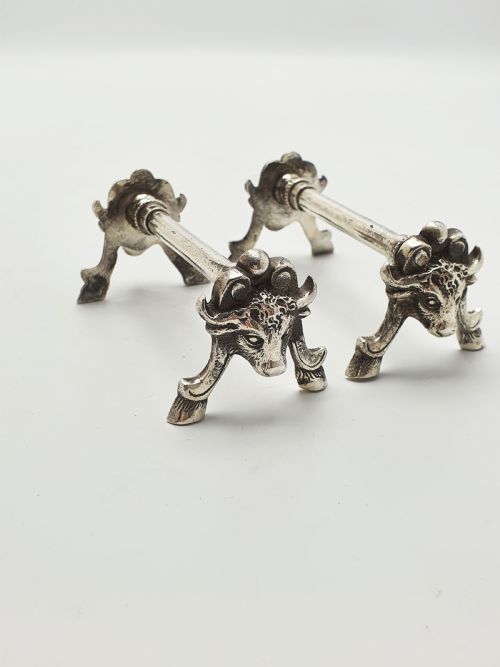
The selection frequently includes specialised utensils like fish knives, meat skewers, and knife rests designed to keep table linen clean between courses. Victorian and Edwardian examples dominate the offerings, showcasing styles from traditional patterns to Egyptian Revival and naturalistic motifs.
Materials and construction
Manufacturers combined sterling silver and silver plate with durable steel blades, horn, and mother of pearl to create these functional items. Handles often featured organic materials like antler and horn, secured to metal blades through traditional pinning techniques.
Silver plated items utilised base metals coated with a layer of silver, while solid sterling pieces carried official hallmarks indicating assay offices and purity standards. Cases lined with velvet and silk housed delicate sets, protecting the polished surfaces and engraved details from tarnishing.
Silver Dining Knives Retail Price Guide 2026
Typical asking prices for silver dining knives among the pieces listed under this phrase on Sellingantiques today, from the lower quarter to the upper quarter. They describe what is for sale here now, not the wider market.
Listings feature items from the Victorian, Edwardian, and Georgian periods, incorporating materials such as cut glass, silk, and velvet.
Assessing quality and execution
The distinction between standard table items and superior examples lies in the crispness of the chasing, the gauge of the metal, and the integrity of fitted presentation cases. Heavy gauge sterling silver exhibits greater durability and maintains sharper engraved details on handles and blades.
Superior sets retain original fitted boxes lined with silk or velvet, alongside clear hallmarks that verify the maker and year of production. The quality of organic handle materials, such as well-matched mother of pearl or genuine antler, elevates the overall standing of the utensil.
Adie Brothers
The Silver Dining Knives Glossary
- Sterling silver
- An alloy containing a high proportion of pure silver combined with other metals to ensure strength during daily use. This standard material is frequently stamped with assay office marks.
- Silver plate
- A base metal foundation coated with a thin layer of silver through electroplating or older manufacturing methods. This technique provided the appearance of solid silver at a lower production cost.
- Mother of pearl
- The iridescent internal layer of mollusc shells, utilised for decorative knife handles due to its smooth texture and pearlescent sheen. It appears frequently on Edwardian and Victorian flatware.
- Knife rest
- A small support placed on the table to elevate utensils between courses, keeping the dining surface clean. These objects appear in various designs, including sphinxes, lions, and naturalistic branches.
Silver Dining Knives: Frequently Asked Questions
What are silver dining knives used for?
These utensils served specific dining functions, from slicing fish and spreading butter to managing various courses at formal Victorian and Edwardian tables.
Many pieces were designed for single tasks, accompanied by specialised rests or presentation boxes.
How do I clean antique silver knives?
Gentle washing in warm soapy water with a soft cloth preserves the metal surface and organic handle materials like mother of pearl or horn.
Harsh chemical dips should be avoided to protect engraved details and plated layers from unnecessary wear.
Can I use these knives daily?
Using antique cutlery for everyday dining is possible, provided the pieces receive careful hand washing rather than mechanical dishwasher cleaning.
Older steel blades and hollow handles require gentle treatment to maintain their structural integrity over time.
How do I identify the period?
Hallmarks stamped onto sterling silver pieces indicate the assay office, standard mark, and date letter corresponding to specific years of manufacture.
Stylistic cues, such as Victorian naturalism or Edwardian restraint, also help determine the era of origin.