



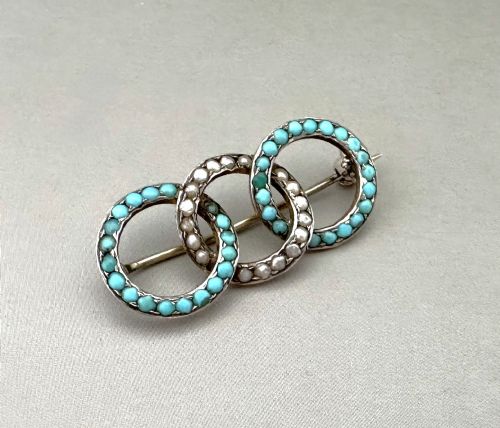

Silver Cluster Jewellery
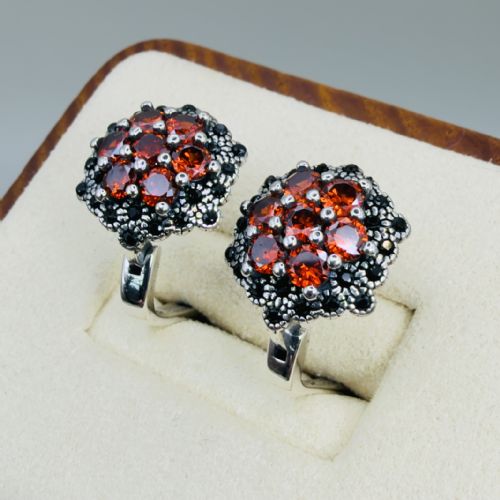
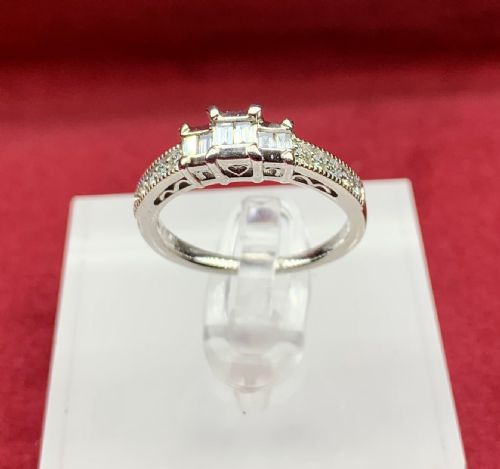
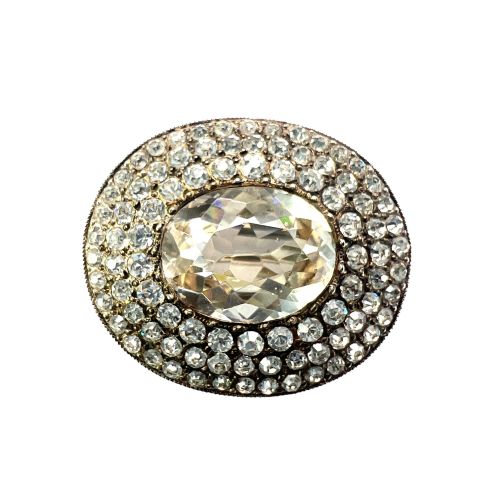
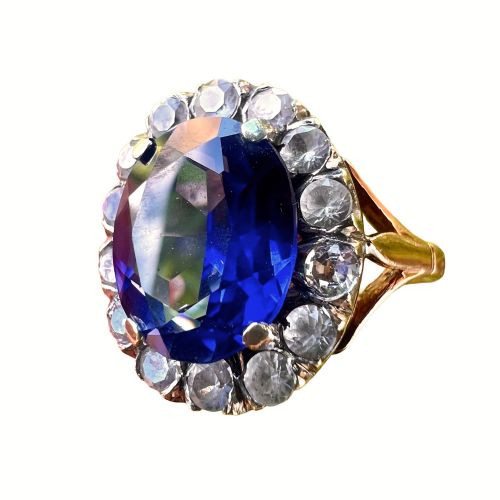
Silver cluster jewellery gathers gemstones around a central stone to create brilliant floral and geometric faces that catch the light from across the room.
Silver Cluster Jewellery
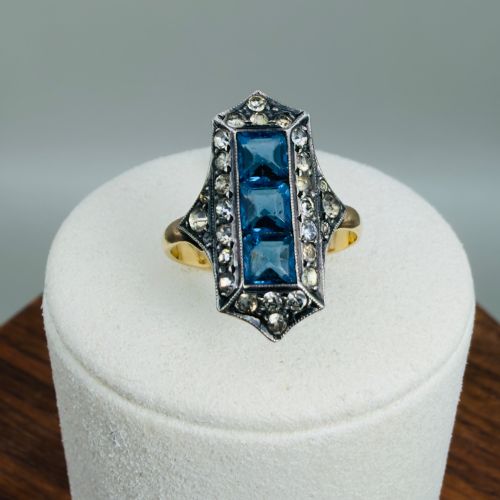
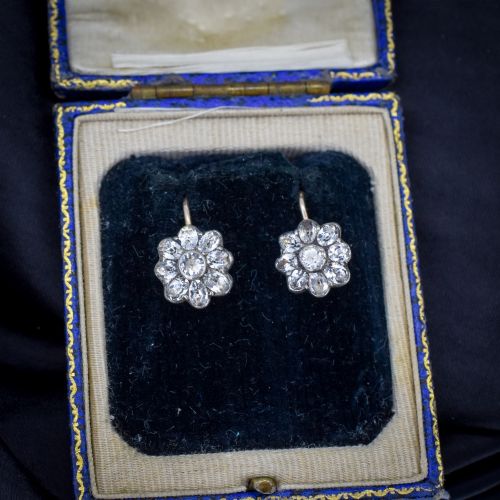
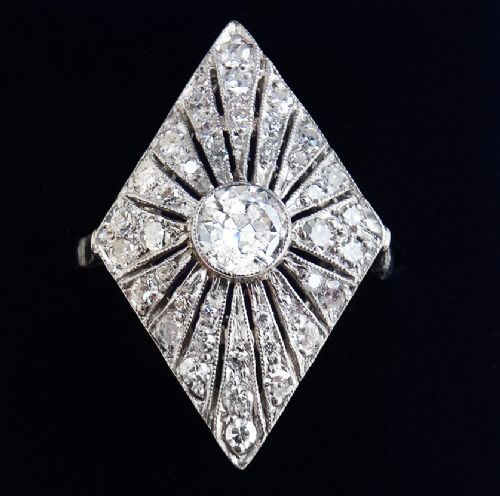
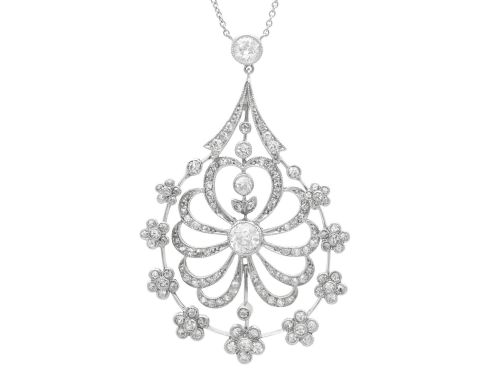
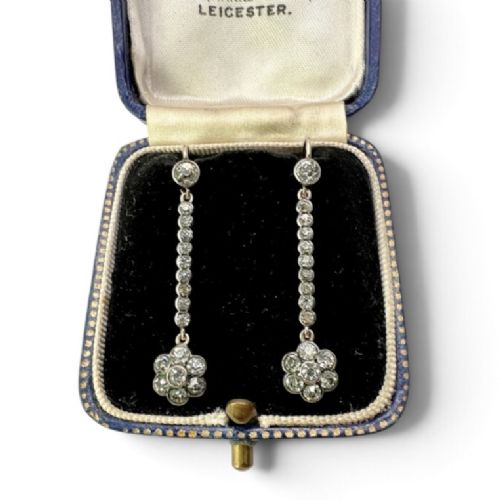
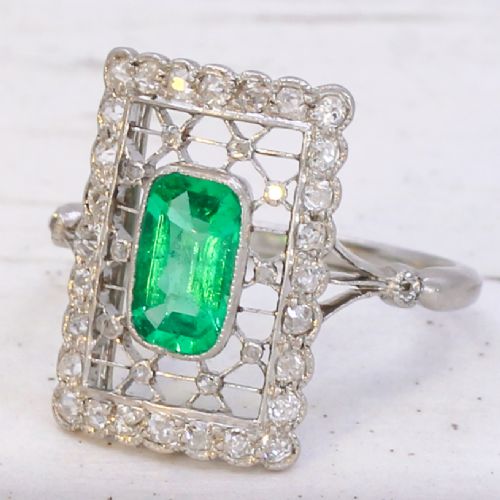
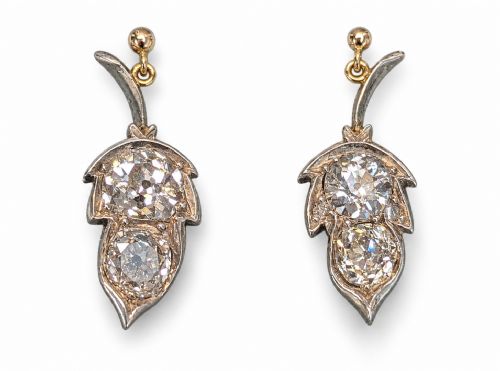
Silver cluster jewellery brings together rings, earrings, brooches and pendants designed around a dense grouping of stones. When you search for silver cluster jewellery, you encounter pieces spanning the Georgian, Victorian, Edwardian and Art Deco periods alongside mid-century designs. Rings and earrings dominate the selection, often arranged in classic floral or daisy configurations.
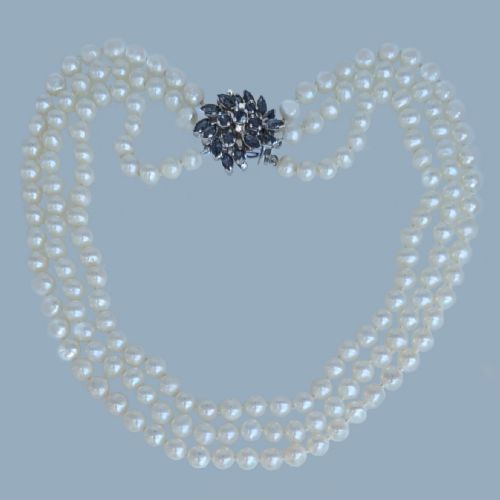
The materials span sterling silver combined with gold or platinum settings, housing diamonds, sapphires, emeralds, garnets, turquoise and paste glass. Earlier items from the nineteenth century frequently employ silver-topped gold to secure stones, while later twentieth-century examples rely directly on sterling silver or platinum frames. These formations range from delicate Edwardian lavalier pendants to bold Art Deco diamond clusters.
How they were made
Goldsmiths constructed these clusters by mounting precious and imitation stones into silver settings backed with gold or directly onto sterling silver and platinum. Techniques like foil-backing and closed-back settings enhanced the brilliance of pastes and diamonds in Georgian and Victorian workshops. Later Edwardian and Art Deco makers utilised open-back piercing to let light pass straight through the diamond and sapphire clusters.
Gemstones such as old-cut diamonds, rubies, turquoise and pearls were secured with meticulous claw, bezel or grain settings. Jewellers often combined yellow or white gold with silver to harness the reflective qualities of the brighter metal on the face while maintaining structural strength in the band or pin.
Silver Cluster Jewellery Retail Price Guide 2026
Typical asking prices for silver cluster jewellery among the pieces listed under this phrase on Sellingantiques today, from the lower quarter to the upper quarter. They describe what is for sale here now, not the wider market.
Object types in this selection range from drop earrings and lavalier pendants to hinged bangles and multi-stone cocktail rings.
What varies in quality
The standard of a cluster piece rests on the harmony of the stone arrangement and the crispness of the metalwork. Superior examples display closely matched gemstones with even spacing and secure, flush settings that hold each element firmly without excess solder. Lesser pieces show uneven stone heights, mismatched replacement gems or clumsy claw repairs that disrupt the symmetry of the central motif.
The integrity of the reverse construction also separates fine output from standard work. Quality Georgian and Victorian items maintain robust closed or open backing that supports the cluster without warping, whereas inferior variants suffer from thin mounts and excessive wear around the hinge pins or ring shoulders.
Knoll and Pregizer·Christian Dior·Mikimoto·Beto
The Silver Cluster Jewellery Glossary
- Cluster
- A gemstone setting arrangement where a central stone is surrounded by a ring of smaller surrounding stones. This layout mimics the natural symmetry of flowers.
- Paste
- Hand-cut lead glass used as a diamond or coloured gemstone substitute in antique jewellery. It offers high refractive brilliance.
- Old-cut diamond
- A vintage diamond cut featuring a small table, high crown and deep pavilion designed by candlelight. These stones exhibit soft, broad flashes rather than modern scintillation.
- Silver-topped gold
- A historical technique where a thin sheet of silver is soldered over a gold backing. This combined the bright, white appearance of silver for stones with the strength of gold.
- Halo
- A concentric ring of smaller gemstones encircling a larger centre stone. It amplifies the apparent size and brilliance of the primary gem.
Silver Cluster Jewellery: Frequently Asked Questions
What periods do these pieces come from?
The inventory spans the Georgian and Victorian eras, moving through Edwardian and Art Deco designs up to mid-century examples. You will find nineteenth-century items alongside twentieth-century creations.
Each period brings distinct mounting styles and stone cuts, from early foil-backed paste to platinum-set diamonds.
How do I care for antique silver settings?
Keep silver cluster pieces away from harsh dips, ultrasonic cleaners and moisture to protect delicate foil-backed stones or natural pearls. Gentle surface cleaning with a soft microfibre cloth preserves the original metal finish.
Store each item separately in a lined box to prevent scratching between the clustered stones and mounts.
Are paste stones considered authentic antiques?
Paste glass is period-authentic in fine Georgian and Edwardian jewellery, prized for its own craftsmanship rather than as a mere diamond substitute. Skilled artisans shaped and foiled these glass stones by hand.
Historic paste pieces hold significant collectable value in their own right.
How are cluster rings and brooches worn today?
Cluster rings make striking standalone dress rings or alternative engagement rings, while brooches adapt easily to lapels, hats and heavy scarves. Pendant versions hang from fine chains as focal neckwear.
Their secure settings and balanced designs suit regular rotation in a modern wardrobe.