






Silver Case Dress Watch
A silver case dress watch carries the precision and restrained elegance of twentieth-century horology, offering a sophisticated daily timepiece.
Silver Case Dress Watch
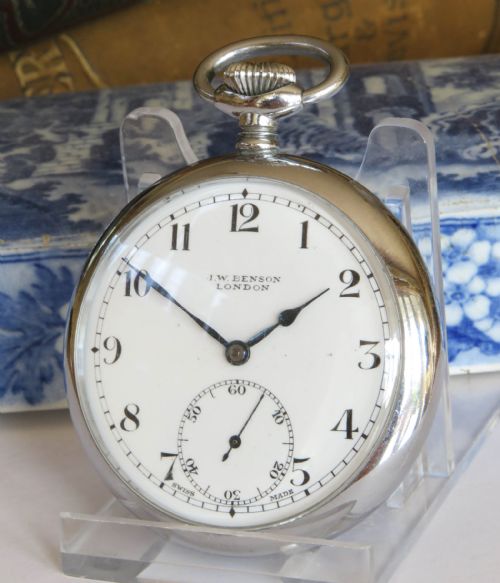
A silver case dress watch typically manifests as a wrist watch or pocket watch originating from periods such as the Edwardian era, Art Deco period, and the mid-century decades. These timepieces encompass various forms including gents wristwatches, ladies models, and vintage pocket watches spanning from nineteen hundred through the nineteen sixties.
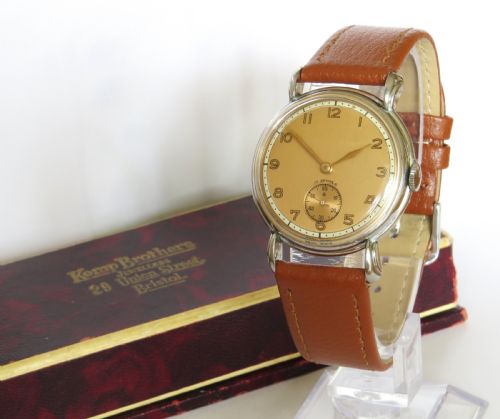
The objects available in this selection originate from Swiss, English, and French makers, displaying styles from mid-century modern to distinct Art Deco geometry. Buyers will find automatic movements, manual wind calibres, and classic analogue dials housed within metal or gold fill cases accompanied by leather straps.
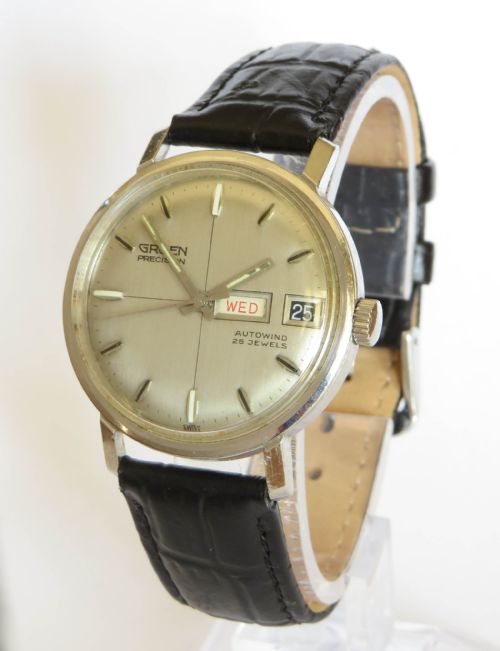
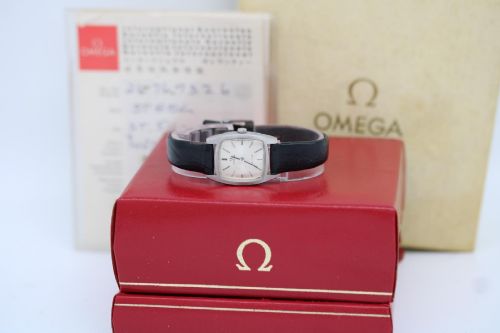
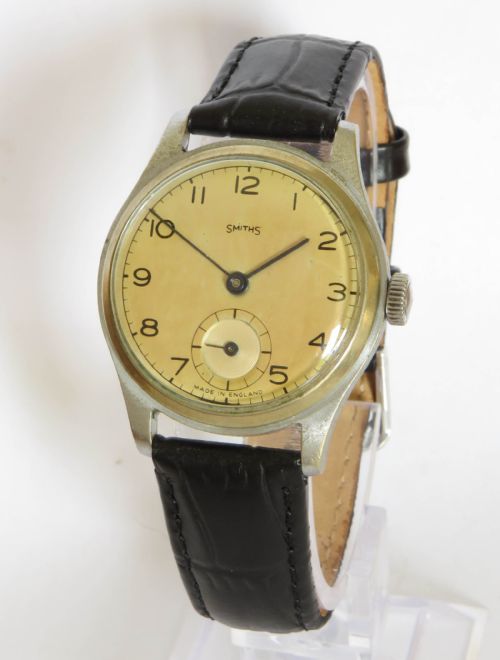
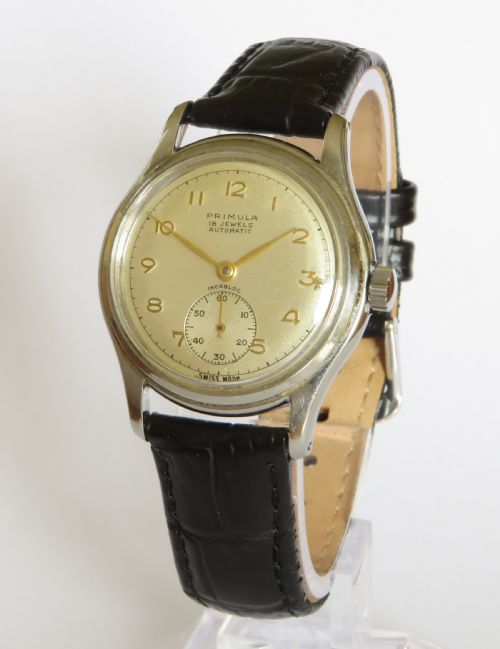
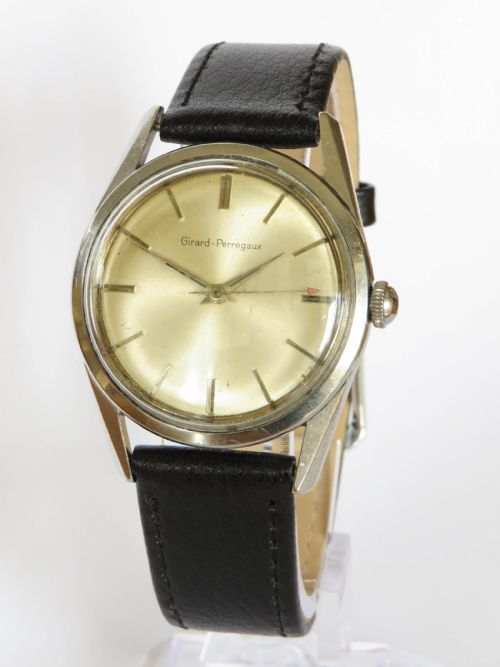
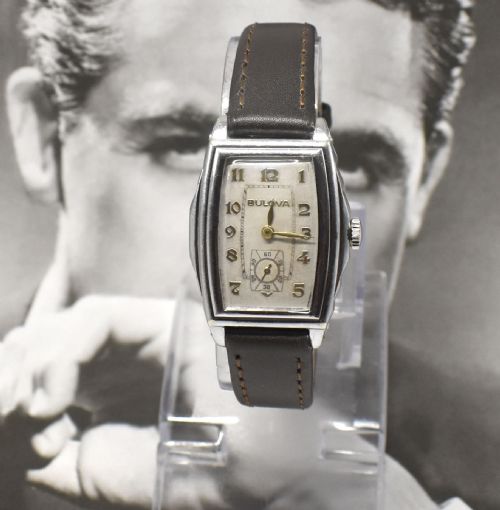
Makers represented in the current selection include well-known horological houses like Omega, Rolex, Seiko, Gruen, Rotary, Smiths, Girard Perregaux, and Bulova alongside pieces by Larex and Primula. These examples demonstrate the evolution of personal timekeeping across diverse mid-century and earlier aesthetic movements.
Materials and construction methods
Construction relies upon metals such as stainless steel, chrome, and white gold fill alongside traditional leather for straps and glass or acrylic glass for dial crystals. Movements utilise intricate metal gears, jewels, and balance wheels assembled by skilled watchmakers.
Cases are shaped and polished to house delicate mechanical calibres, with dials featuring applied numerals, markers, and subsidiary seconds hands. Manual wind and automatic self-winding mechanisms drive the hands beneath protective crystals fitted securely into metal bezels.
Silver Case Dress Watch Retail Price Guide 2026
Typical asking prices for silver case dress watch among the pieces listed under this phrase on Sellingantiques today, from the lower quarter to the upper quarter. They describe what is for sale here now, not the wider market.
Many of these watches survived decades of wrist wear only to spend years resting quietly in original boxes with their paperwork still tucked inside.
Assessing quality in vintage timepieces
Quality differentiates through the precision and complexity of the internal movement, such as the jewel count or the inclusion of auto-wind mechanisms versus manual wind calibres. Finer pieces maintain original components like signed dials, crowns, and matching straps or buckles.
The crispness of case geometry, particularly in Art Deco square and rectangular designs, indicates superior manufacturing standards and preservation. Condition of the dial and clarity of the glass or acrylic crystal further distinguish standard production models from exceptional collector items.
Gruen Precision·Omega·Rolex Cellini·Seiko Sportsman·Primula·Smiths Deluxe·Girard Perregaux·Larex·Bulova
The Silver Case Dress Watch Glossary
- Calibre
- The specific internal mechanical movement and design created by a watch manufacturer. It defines the technical layout and architecture of the timepiece.
- Manual wind
- A mechanical movement requiring the user to manually turn the crown to tension the mainspring. This traditional method powers the watch without a battery.
- Auto-wind
- A self-winding mechanical movement that uses the natural motion of the wearer's wrist to power the mainspring via an internal rotor. It eliminates the need for daily manual winding.
- Acrylic glass
- A lightweight, shatter-resistant synthetic material used for watch crystals during the mid-century period. It can be easily polished to remove surface scuffs.
- White gold fill
- A base metal core mechanically bonded with a layer of white gold to provide the appearance and durability of solid gold. This technique was common in Art Deco watch production.
- Subsidiary seconds
- A small dial separate from the main hour and minute hands used to track seconds. It typically sits near the bottom of the watch face.
Silver Case Dress Watch: Frequently Asked Questions
How do I wind a manual watch?
Turn the crown clockwise between your thumb and forefinger until you feel gentle resistance. Stop immediately to avoid damaging the mainspring.
Perform this action at roughly the same time each day to maintain consistent tension and accurate timekeeping.
Are these watches water resistant?
Vintage timepieces lack modern rubber gaskets and waterproof sealing technology. Exposure to moisture can rust internal steel components and ruin paper dials.
Keep these watches away from rain, swimming pools, and hand washing to preserve their delicate mechanical movements.
How often need they be serviced?
Mechanical watches require professional lubrication and cleaning every three to five years. Old oils dry out and create friction that wears down tiny gear teeth.
Regular servicing ensures the balance wheel oscillates freely and the movement keeps reliable time.