






Silver Brass Lighting
Silver brass lighting brings together mixed metal radiance and period engineering, offering functional illumination shaped by Victorian, Edwardian, and Art Deco hands.
Silver Brass Lighting
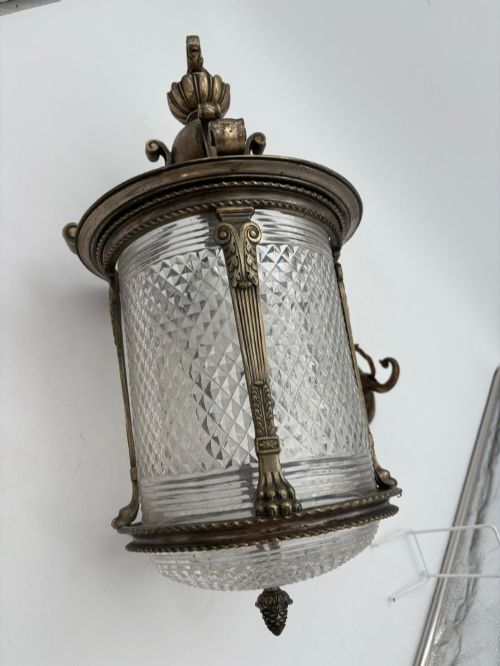
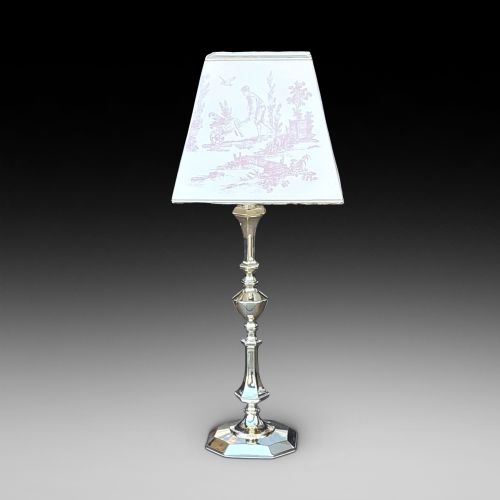
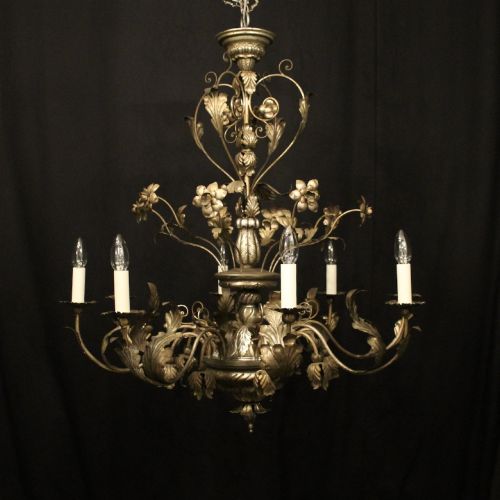
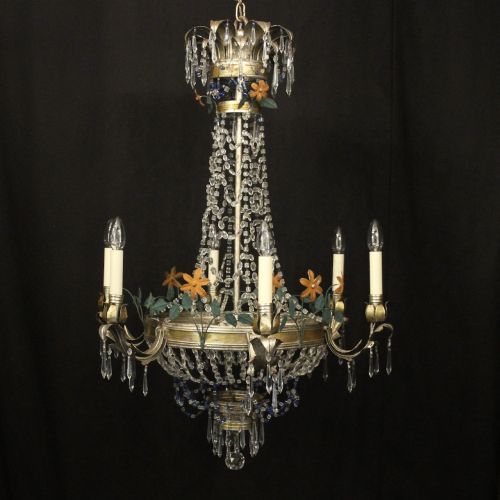
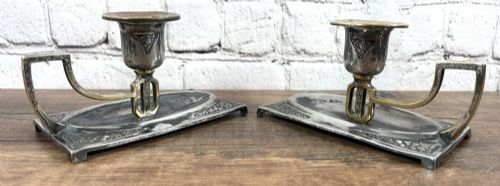
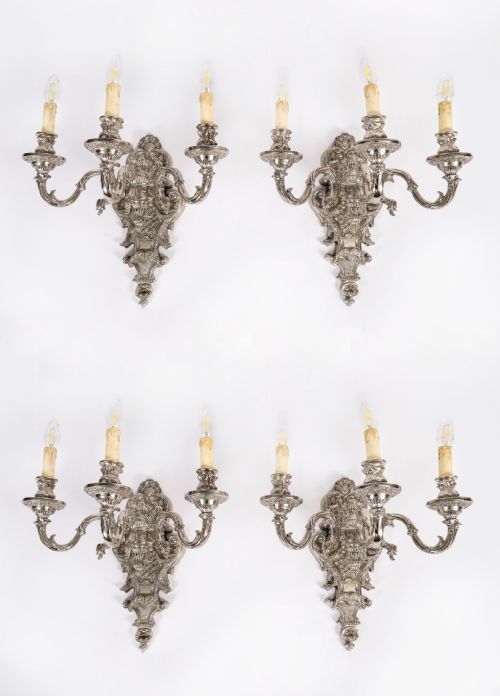
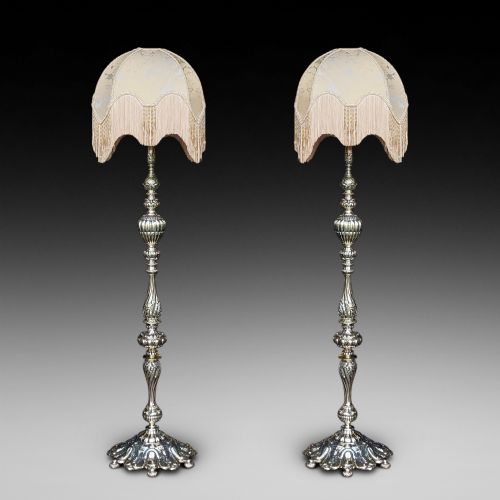
Silver brass lighting encompasses items such as chandeliers, wall lights, table lamps, and floor lamps originating from the eighteenth century through to the Art Deco era. Buyers seeking these pieces encounter mixed metal surfaces where silver plating, silver gilding, and nickel plating meet solid brass or bronze.
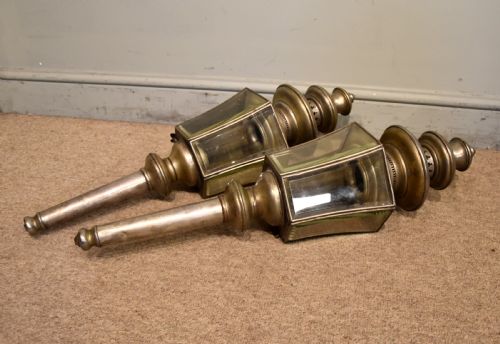
The selection ranges from French silver gilded chandeliers and English Edwardian table lamps to ship's gimbal lights and Georgian candlesticks. Wall lights and lanterns frequently display French Rococo or Neoclassical Revival influences, while standard lamps utilise heavy brass and adjustable frames.
Materials and construction
These fixtures combine brass, steel, and bell metal structures with applied silver plate, silver gilding, or nickel plating. Hand-blown glass, cut glass, crystal, and satin glass frequently complement the metalwork.
Makers employed casting, spinning, and scroll-work techniques to shape the metal frames, incorporating mercury mirrored glass, hand-blown bulls eye glass, and fabric shades where appropriate.
Silver Brass Lighting Retail Price Guide 2026
Typical asking prices for silver brass lighting among the pieces listed under this phrase on Sellingantiques today, from the lower quarter to the upper quarter. They describe what is for sale here now, not the wider market.
Listings feature lighting from the eighteenth century to the Art Deco era, encompassing brass, silver plate, glass, and crystal.
Distinctions in manufacture
The distinction between standard utility lighting and superior pieces rests in the weight of the cast metal, the precision of the decorative chasing, and the integrity of the silver or nickel plating. Heavy brass standards and substantial bronze frames demonstrate a commitment to durability that lighter stamped components lack.
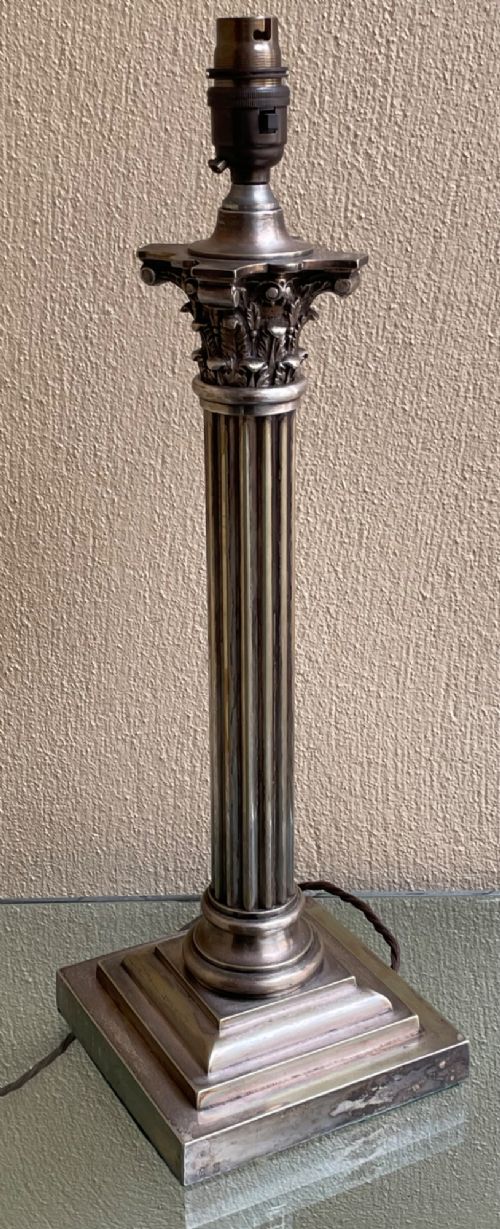
Refinement in execution shows in the crispness of architectural details such as Corinthian columns, hand-blown glass elements, and articulated joints on adjustable reading lamps or floor standards.
WMF·Veritas Lamp Works
The Silver Brass Lighting Glossary
- Old Sheffield Plated
- An early fusion method where a thin sheet of silver is fused to a copper base before fabrication. This technique creates a distinctive edge where the base metal shows through wear.
- Paktong
- A copper-nickel-zinc alloy originating from China, prized for its bright silver-like appearance and heavy weight. It frequently substitutes for silver in eighteenth-century candlesticks.
- Gimbal
- A pivoted ring mounting that allows a lamp or lantern to remain level despite the motion of a ship. It is standard engineering on maritime lighting.
- Peg Oil Lamp
- A small oil reservoir fitted with a tapered lower peg designed to drop directly into a candlestick socket. This converts a standard candlestick into an illumination source.
- Bell Metal
- A hard alloy of copper and tin traditionally used for casting bells. It produces durable candlesticks with a resonant quality.
Silver Brass Lighting: Frequently Asked Questions
How do I clean silver plated lamps?
Clean silver plated surfaces gently using a soft cloth and a non-abrasive metal polish formulated for plated items. Avoid harsh scrubbing that strips the historic silver layer from the underlying brass.
Take care around fitted glass shades, crystal drops, or fabric components to prevent moisture damage. Regular dusting with a dry microfiber cloth maintains the shine without chemical intervention.
Were these lights originally electrified?
Many older pieces began life as oil lamps, gas fixtures, or candle holders before conversion to electricity. Chandeliers, wall lights, and table lamps frequently undergo rewiring to meet modern safety standards while retaining their period frames.
Look for discreet cord entry points or adapted burners that indicate past conversion work. This adaptation allows historic metalwork to function in contemporary interiors.
What is the difference between brass and silver plate?
Brass is a solid alloy of copper and zinc that displays a warm golden hue beneath surface oxidation. Silver plate involves applying a thin layer of silver over a base metal such as brass, copper, or nickel.
Over time, plated items may reveal the warmer base metal beneath as the silver thins from handling. Solid brass develops a darker patina but maintains a uniform metallic composition throughout.
How do I identify an Edwardian floor lamp?
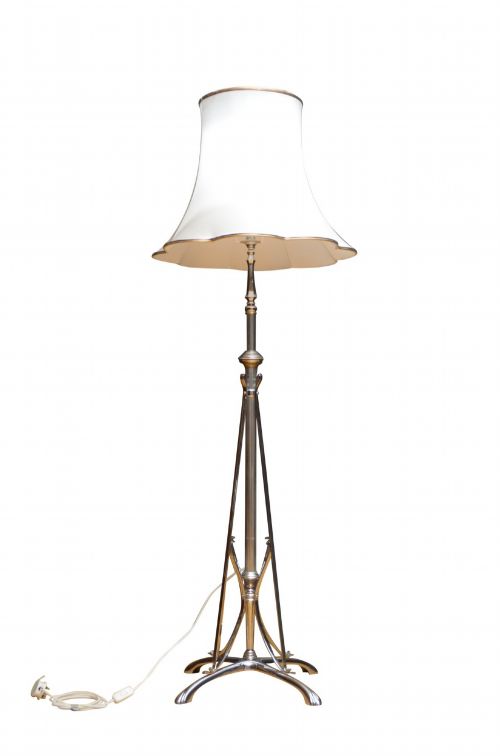
Edwardian floor lamps often feature slender silhouettes, adjustable height mechanisms, and refined metalwork characteristic of the early twentieth century. They frequently utilise heavy cast bases to support extended brass standards.
Look for subtle detailing such as scroll arms, subtle nickel plating, or silver plate finishes over brass. These proportions suit the high ceilings and domestic spaces of the period.