



Silver Bell Desk Accessory
A silver bell desk accessory brings tactile function and fine metalwork to a writing surface, offering a satisfying chime alongside practical utility.
Silver Bell Desk Accessory
A silver bell desk accessory combines the utility of a call bell or inkwell with precious metal construction, appearing across periods from the Victorian era through the mid-twentieth century. Buyers searching this phrase encounter practical desk fittings designed for writing rooms, reception counters, and offices.
The selection on this page includes sterling silver, silver-plated, and mixed-metal pieces incorporating glass and brass elements. Forms range from simple desk bells and reception counter bells to complex novelty items integrating inkwells and mechanical actions.
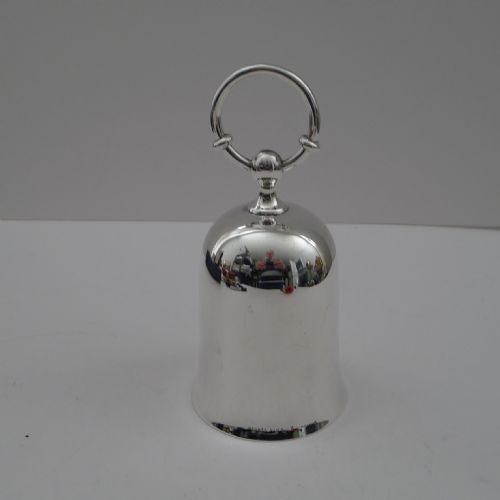
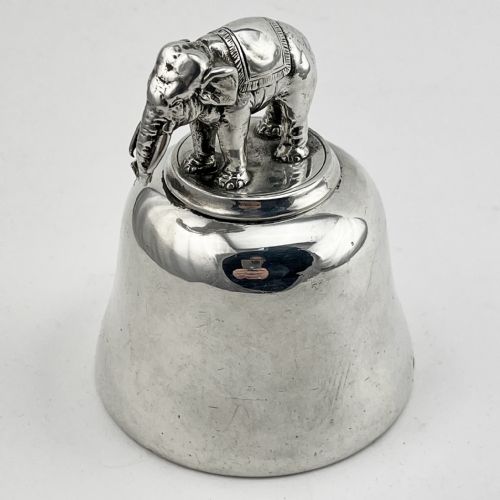
Most examples originate from the Victorian and Edwardian periods, alongside George V and later mid-century pieces such as the 1960 Hermes horse bit handle bell. Novelty animal forms, including mechanical pigs and horse bit handles, sit alongside more formal bell-shaped ink stands and ornate bases.
How they were made
Maker workshops utilised sterling silver and silver plate over supportive structures, often combining cast brass bases and glass inkwell inserts to create durable writing accessories. Metal components were cast, hammered, and polished to achieve smooth finishes and detailed ornamentation.
Mechanical novelties required precise internal springs and levers housed within animal or figurative shapes, such as the pig and horse bit designs. Hallmarks stamped into sterling silver pieces record assay office towns like Chester and Birmingham alongside specific production years.
Silver Bell Desk Accessory Retail Price Guide 2026
Typical asking prices for silver bell desk accessory among the pieces listed under this phrase on Sellingantiques today, from the lower quarter to the upper quarter. They describe what is for sale here now, not the wider market.
A mechanical pig offers a charming ring when pressed, proving that nineteenth-century desk accessories did not take themselves too seriously.
What varies in quality
Quality rests upon the weight of the metal utilised and the crispness of the casting, distinguishing heavy sterling silver and solid bronze or brass bases from lighter plated alternatives. Substantial weight and clear hallmarks indicate superior manufacturing standards.
The complexity of the mechanism and design originality separate standard desk bells from exceptional novelty pieces. Articulation in mechanical animal forms and integrated inkwell combinations demonstrate higher artisan skill.
Hermes Paris
The Silver Bell Desk Accessory Glossary
- Sterling Silver
- A silver alloy containing 92.5 percent pure silver by mass, with the remainder usually copper. This standard metal appears frequently across Victorian and Edwardian desk items.
- Novelty Silver
- Silver objects shaped to resemble animals, figures, or everyday items rather than traditional utilitarian forms. These whimsical pieces were popular conversation items on writing desks.
- Hallmark
- An official stamp applied to precious metals indicating the purity, assay office, and year of manufacture. Chester and Birmingham offices feature in these listings.
- Inkwell
- A small container for holding ink, often incorporated directly into the base of a desk bell. Glass inserts commonly fit within the silver housings.
Silver Bell Desk Accessory: Frequently Asked Questions
How do I identify a Victorian desk bell?
Victorian examples date from the nineteenth century and typically display heavy sterling silver construction, ornate bases, or distinct period styling.
Assay marks and hallmarks stamped into the metal provide precise dates and manufacturing locations.
What materials are used in these pieces?
Pieces incorporate sterling silver, silver plate, glass, brass, cast iron, and polished metal.
Combinations often feature glass inkwells set within heavy silver or brass frames.
How should I clean a silver desk bell?
Gentle dusting and appropriate metal care maintain the polished finish without harming hallmarks or mechanical parts.
Avoid abrasive compounds that can wear down thin silver plating on older pieces.