




Silver Animal Jewellery
Silver animal jewellery captures creatures in miniature, offering charm and character through brooches, charms, and pencils.
Silver Animal Jewellery
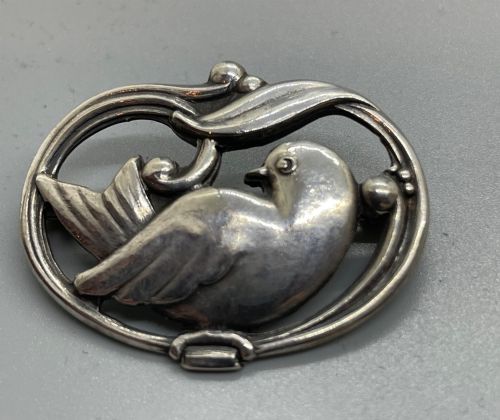
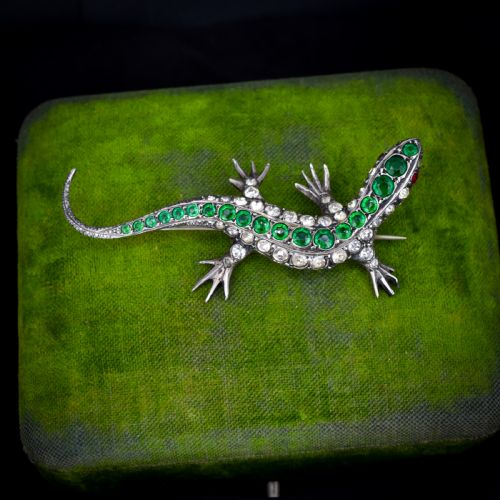
Silver animal jewellery encompasses wearable miniatures of creatures shaped from silver, sterling silver, and gold gilt, designed to be pinned or carried. When searching for silver animal jewellery, buyers encounter brooches, charms, pendants, and novelty pencils depicting dogs, frogs, pigs, lizards, monkeys, and pheasants.
The pieces span several periods, featuring Victorian, Edwardian, and Art Deco designs alongside mid-century Danish modern work and vintage country sport styles. Brooches dominate the selection, often embellished with paste stones, marcasite, enamel, diamonds, and emeralds.
Origins range from nineteenth-century workshop pieces to mid-twentieth-century Scandinavian studios. Buyers find both naturalistic representations and stylized depictions created across different decades.
How they were made
Craftsmen utilised solid silver and sterling silver as the primary base for these creatures, sometimes applying gold gilt for selective contrast. Metalwork techniques involved casting, chasing, and mounting to form the detailed bodies of dogs, birds, and reptiles.
Gemstone setting required careful hand-placement of paste stones, marcasite, diamonds, and emeralds into the silver mounts. Enamelling was applied to metallic surfaces to introduce realistic colouration to feathers and plumage on pieces like pheasant brooches.
Silver Animal Jewellery Retail Price Guide 2026
Typical asking prices for silver animal jewellery among the pieces listed under this phrase on Sellingantiques today, from the lower quarter to the upper quarter. They describe what is for sale here now, not the wider market.
A tiny silver boar doubles as a functioning pencil, proving that nineteenth-century accountants possessed a sense of humour.
What varies in quality
The refinement of the casting and hand-finishing defines the upper tier of these pieces, where feathers, scales, and fur show distinct individual texture rather than soft mass production. Superior examples integrate gemstones like diamonds, emeralds, and quality paste securely into the metalwork without excess adhesive or clumsy prongs.
Design sophistication also separates simpler novelty items from masterworks, evident in the natural posture of a lizard or the balanced composition of a sporting dog brooch. Hallmarks and maker attribution add historical weight, distinguishing documented workshop production from anonymous output.
Hamilton & Co. Calcutta
The Silver Animal Jewellery Glossary
- Marcasite
- Small faceted crystals of iron pyrite set closely together in silver to create a sparkling, metallic surface texture. This material was widely utilised in twentieth-century brooches.
- Paste
- Hand-cut lead glass used to imitate gemstones like emeralds and diamonds in antique and vintage jewellery. It provides bright colour and reflection.
- Hardstone
- Opaque decorative stones such as agate, onyx, or jasper carved and polished for use in jewellery. These materials appear in Victorian animal designs.
- Novelty pencil
- A functional writing instrument shaped into a recognizable form, such as an animal or object. These pieces combine utility with decorative miniature sculpture.
- Split ring
- A circular metal band with overlapping coils used to securely hold charms and pendants. It functions like a miniature key ring.
Silver Animal Jewellery: Frequently Asked Questions
What periods do these pieces span?
The selection covers items from the nineteenth century, including Victorian and Edwardian examples, through to the twentieth century.
Later decades are represented by Art Deco designs from the nineteen-twenties and mid-century Danish modern pieces from the nineteen-fifties and sixties.
What types of objects are available?
The category consists primarily of brooches and pins depicting various creatures such as dogs, frogs, lizards, monkeys, and pheasants.
Additional items include charms, pendants assembled on split rings, and novelty pencils shaped like animals.
How were gemstones used in the designs?
Maker utilised coloured paste and marcasite to add sparkle and visual interest to reptile and insect forms like lizards and frogs.
More elaborate Victorian pieces incorporate fine stones such as diamonds and emeralds set into detailed animal figures.
What styles influence this jewellery?
Styles range from naturalistic Victorian equestrian and flora-and-fauna motifs to geometric Art Deco creations.
Vintage country sport themes and mid-century Danish modern aesthetics also appear across the twentieth-century pieces.