






Silver and Glass Lamp
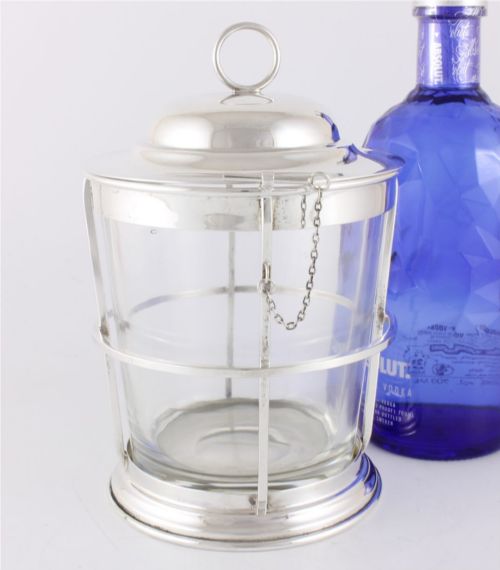
A silver and glass lamp combines metal mountings with transparent or frosted shades to cast a bright, reflective glow across a room.
Silver and Glass Lamp
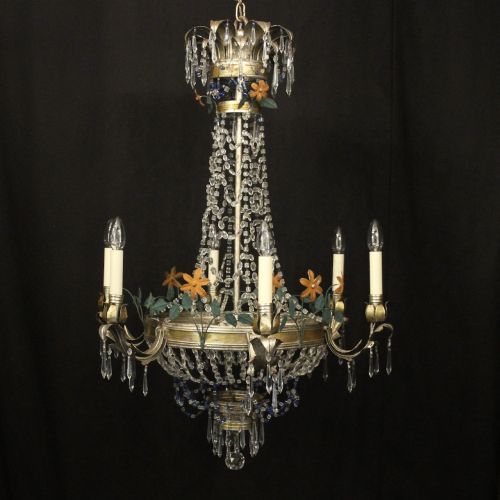
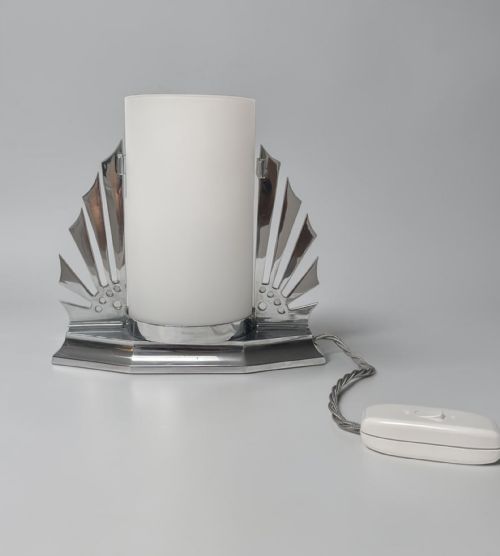
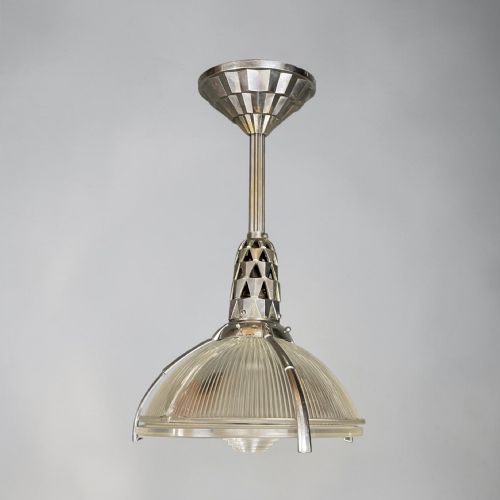
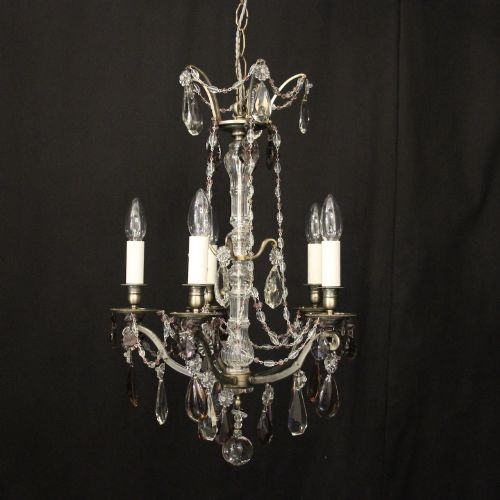
A silver and glass lamp encompasses table lamps, chandeliers, wall lights, and pendant fixtures spanning the Victorian, Edwardian, and Art Deco periods.
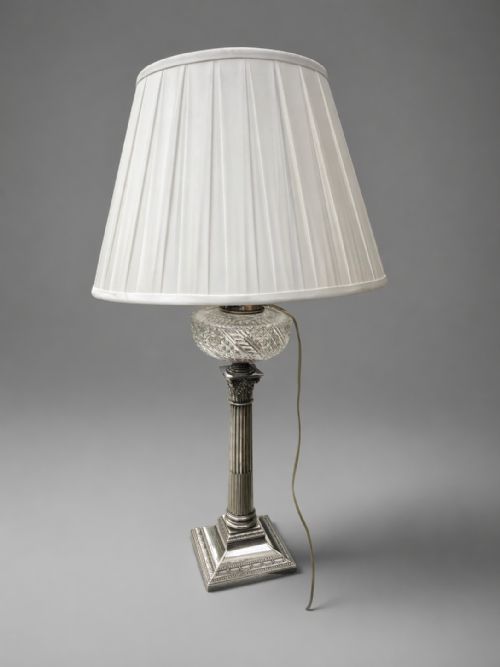
Table lamps often utilise silver plate or chrome bases paired with cut glass or satin glass reservoirs and shades.
Pendant lights and chandeliers frequently feature mercury mirrored glass or cut glass drops suspended from silver-plated frames.
Materials and Construction
Makers combined silver plate, chrome, and brass framework with blown, frosted, or cut glass components to manipulate the spread of light.
Metal elements were cast or spun into columns and sconces, then fitted with intricate glass shades or crystal prisms.
Silver and Glass Lamp Retail Price Guide 2026
Typical asking prices for silver and glass lamp among the pieces listed under this phrase on Sellingantiques today, from the lower quarter to the upper quarter. They describe what is for sale here now, not the wider market.
Listings feature items spanning the 1850s through the 1950s, showing a strong concentration of Art Deco chrome alongside Victorian silver plate.
Assessing Craftsmanship
Quality rests in the weight of the metal plating and the precision of the glass cutting rather than surface decoration alone.
Firm construction of joints and mountings distinguishes standard production pieces from finer examples produced by established makers.
Émile-Jacques Ruhlmann·Goldsmiths and Silversmiths Company·F&C Osler·Muller Bros
The Silver and Glass Lamp Glossary
- Silver Plate
- A thin layer of silver bonded to a base metal such as copper or brass. This technique allowed makers to achieve the appearance of solid silver at a lower cost.
- Cut Glass
- Glass shaped and patterned by abrasive wheels. Deep facets create intense reflection when illuminated from within.
- Satin Glass
- Glass treated with hydrofluoric acid to produce a soft, velvety texture on the surface. It diffuses light gently without harsh glare.
- Duplex Burner
- A double-wick mechanism developed in the Victorian era for oil lamps. It produced a brighter flame than single-wick burners.
Silver and Glass Lamp: Frequently Asked Questions
How do I date a silver and glass lamp?
Dating relies on stylistic clues, such as geometric chrome frames for Art Deco pieces or Corinthian columns for Victorian examples. Examining switch types and wiring methods also provides chronological context.
Maker marks stamped onto metal bases help pinpoint the exact period of manufacture. Comparing the glass cutting style to known historical patterns narrows the date further.
Were these lamps originally electric?
Many older pieces began as oil or paraffin lamps before conversion to electricity during later decades. Standard conversions retain the original burner housing while concealing modern wiring.
Converted oil lamps often feature heavy metal reservoirs that once held fuel. Professional rewiring ensures safety while preserving the antique mountings.
How should I clean the glass shades?
Gentle washing in warm soapy water removes dust without damaging delicate frosted or cut surfaces. A soft cloth prevents scratching on mirrored or silvered glass.
Harsh chemical cleaners strip silver plate and degrade fragile glass treatments. Drying thoroughly immediately after washing preserves the metal finish.