

Silk Embroidery Art
Silk embroidery art brings together centuries of fine needlework, decorative wall hangings and framed textile panels designed to transform domestic interiors.
Silk Embroidery Art
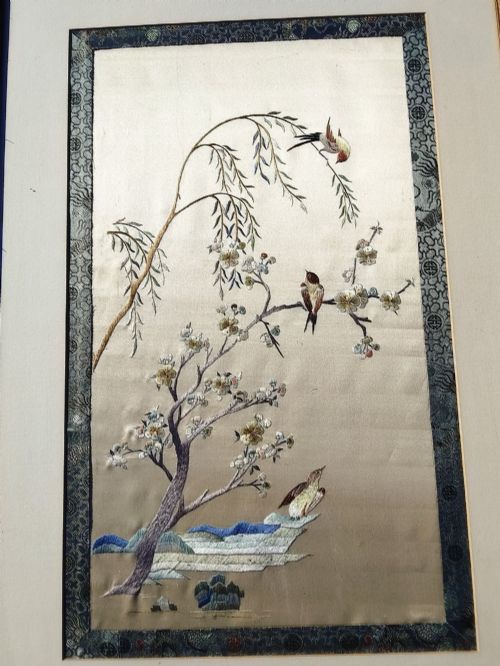
When searching for silk embroidery art, buyers encounter a diverse range of historical pieces spanning from seventeenth-century continental panels to nineteenth-century domestic samplers. The selection frequently includes framed wall hangings, Chinese hand-sewn pictorial panels, and Central Asian tribal dowry trappings.
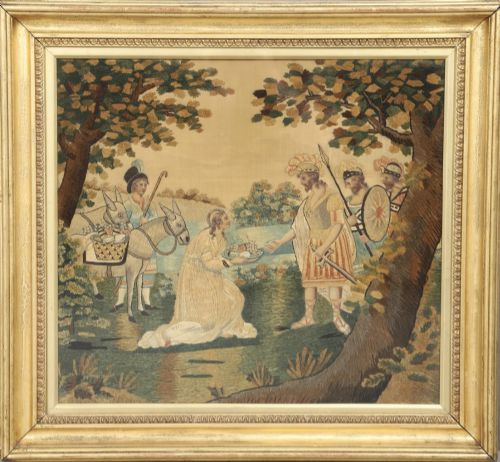
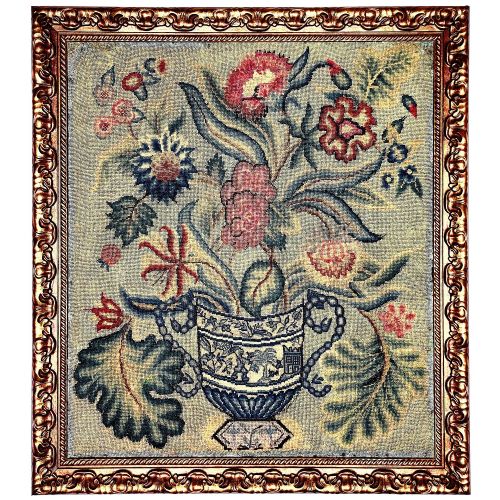
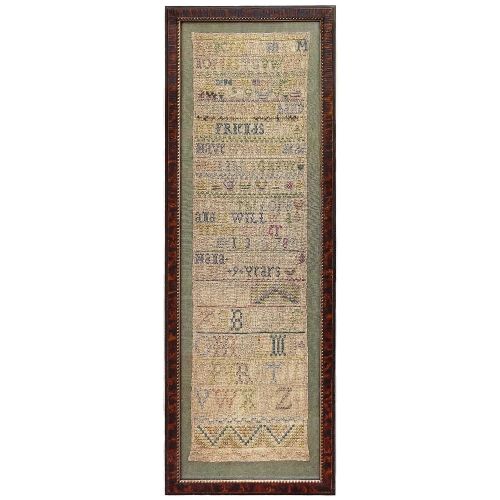
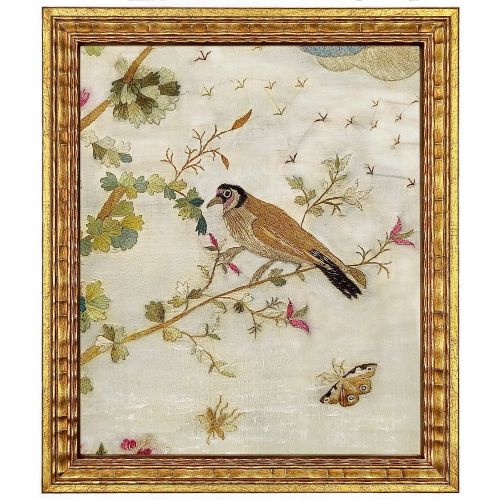
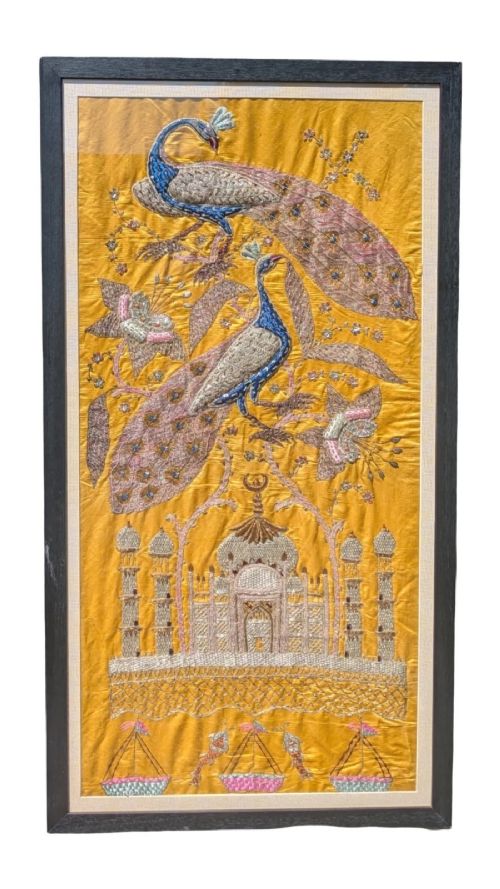
Domestic English samplers from the Georgian and Victorian eras appear alongside exotic Indian and Ottoman fragments, showing how needlework traditions crossed international borders. Wall art takes many forms, from detailed maps and botanical studies to birds, figures, and classical architectural motifs.
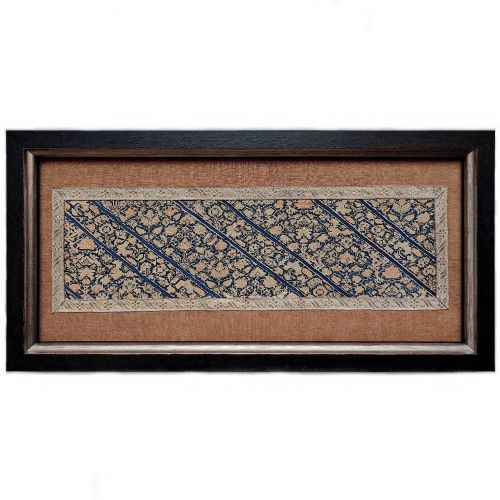
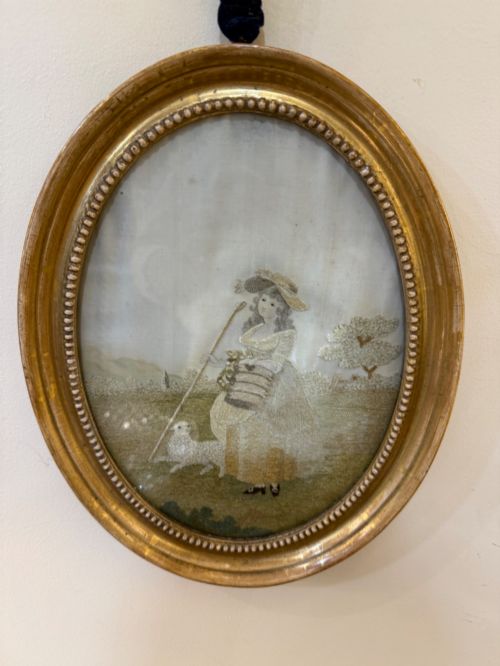
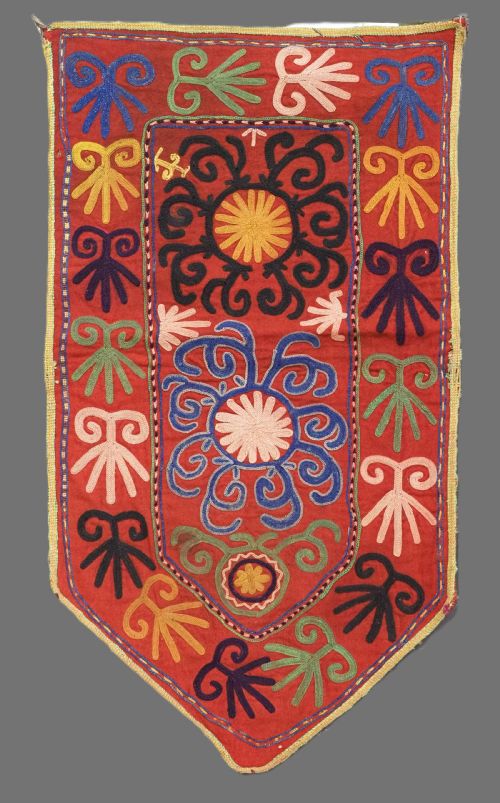
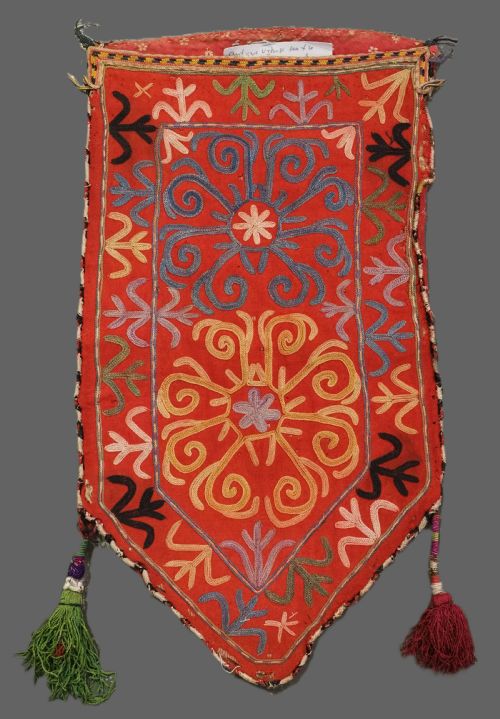
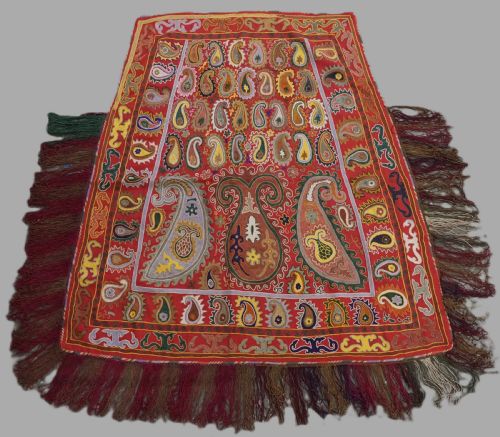
Central Asian pieces, particularly Uzbek Lakai tribeilgich and dowry embroideries, represent a distinct tribal aesthetic focusing on geometric textiles and ceremonial hangings. European works lean towards framed pictures, classical pastoral scenes, and detailed cartography under glass.
Materials and technique
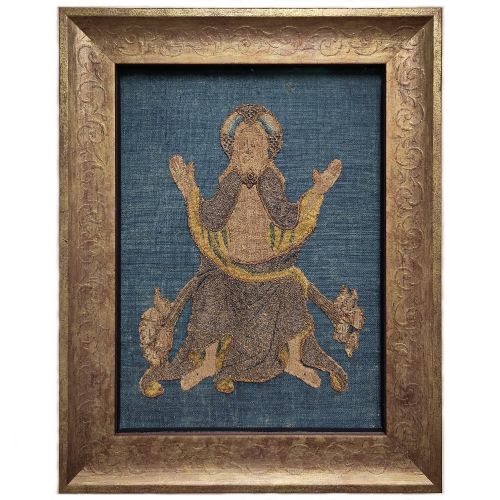
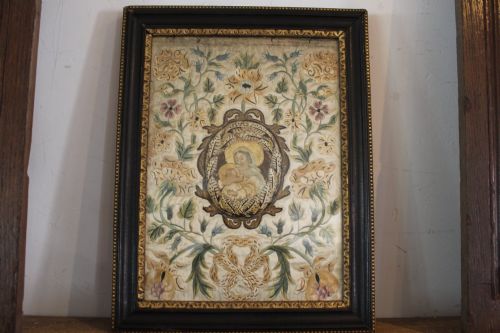
Works are constructed primarily from fine silk, cotton, wool, and linen grounds, stitched with silk thread and occasionally metallic thread highlights. Many surviving panels incorporate hand-painted elements combined directly with needlework to create depth and perspective.
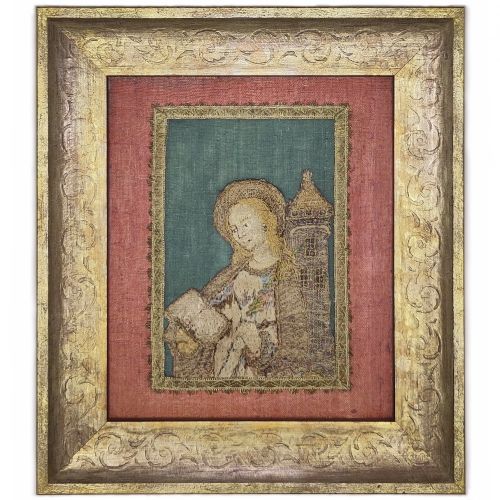
Framing materials range from simple wood to giltwood and faux tortoiseshell, frequently protecting fragile textiles behind glass. Tribal pieces utilise heavy cotton or wool backings to support dense, tactile embroidery faces meant for functional domestic or ceremonial display.
Silk Embroidery Art Retail Price Guide 2026
Typical asking prices for silk embroidery art among the pieces listed under this phrase on Sellingantiques today, from the lower quarter to the upper quarter. They describe what is for sale here now, not the wider market.
Current listings span multiple centuries, ranging from seventeenth-century continental needlework panels to 1930s Indian silk pictures.
Evaluating quality and execution
Quality rests in the precision of the stitchwork, the complexity of the design, and the stability of the foundation fabric. Early seventeenth-century stumpwork and fine eighteenth-century band samplers demonstrate exceptional technical control through varied stitch types and dimensional padding.
Condition plays a central role, distinguishing pieces with vibrant, unfaded silk floss and intact metallic threads from those with heavy ground degradation or loss. The integration of original frames, particularly period giltwood or specialised faux tortoiseshell surrounds, preserves the integrity of the textile.
Stevens of Coventry·Mary Banion·Mary Greening
The Silk Embroidery Art Glossary
- Stumpwork
- A raised embroidery style popular in the seventeenth century featuring padded figures and motifs that project significantly from the background fabric. This technique often depicts historical or biblical scenes using intricate threadwork.
- Sampler
- A piece of needlework produced to demonstrate skill in various stitches, frequently recording alphabets, numbers, maps, or moral verses by young makers. Georgian examples often include detailed cartography and genealogical data.
- Rank badge
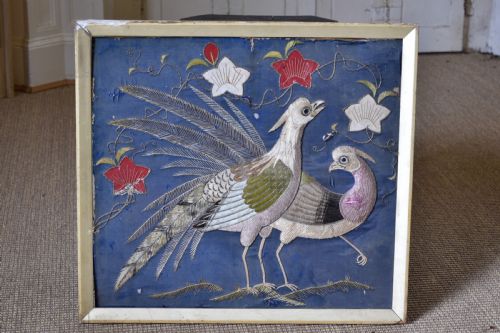
- A square insignia sewn onto the robes of Qing Dynasty officials to denote status, featuring birds or animals embroidered in silk and metallic thread. These panels are frequently framed for wall display.
- Ilgich
- A specific type of Central Asian dowry embroidery used for wall hanging, often characterised by vibrant geometric patterns and motifs created by the Lakai tribe.
Silk Embroidery Art: Frequently Asked Questions
How are antique silk embroideries best displayed on walls?
Most framed textile panels require hanging away from direct sunlight to prevent the silk threads from fading and degrading over time. Glazing helps protect fragile fibres from household dust and atmospheric moisture.
Heavier tribal hangings and dowry pieces often utilise custom mounting sleeves or textile-safe display rods to distribute weight evenly across the fabric without causing distortion.
What is the difference between a sampler and a pictorial panel?
Samplers were traditionally educational exercises where makers practiced diverse stitches, alphabets, maps, and motifs on a single linen or canvas ground. They often include signatures and dates documenting the maker's age.
Pictorial panels focus entirely on creating a cohesive image, such as landscapes, figures, birds, or architectural scenes, using specialised needle techniques to mimic paintings.
How can I identify a seventeenth-century stumpwork panel?
Seventeenth-century stumpwork is distinguished by heavily padded, three-dimensional elements built up over wooden moulds, felt, or carved wood. Figures and architectural details project outward from the flat satin-stitch background.
These pieces frequently depict royal portraits, biblical events, or allegorical figures framed by intricate floral borders worked in silk and metal thread.
What are Central Asian Lakai tribal embroideries?
Lakai embroideries are vibrant dowry textiles and decorative trappings created by nomadic groups in Central Asia around the turn of the twentieth century. They employ dynamic geometric shapes and hooked motifs stitched in bright silk floss.
Items such as uut kap and ilgich served ceremonial functions within domestic spaces before entering the decorative art market as wall hangings.