



Signed Pencil Drawing
A signed pencil drawing brings direct contact with an artist's hand, capturing immediate observation through graphite, chalk, and paper.
Signed Pencil Drawing
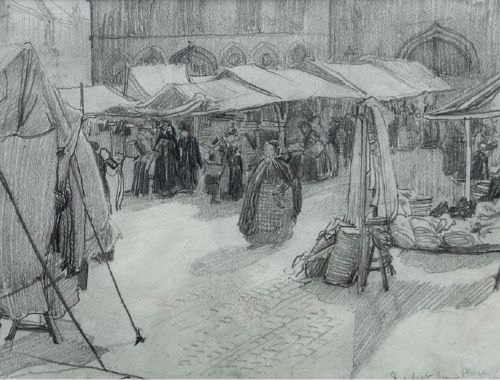
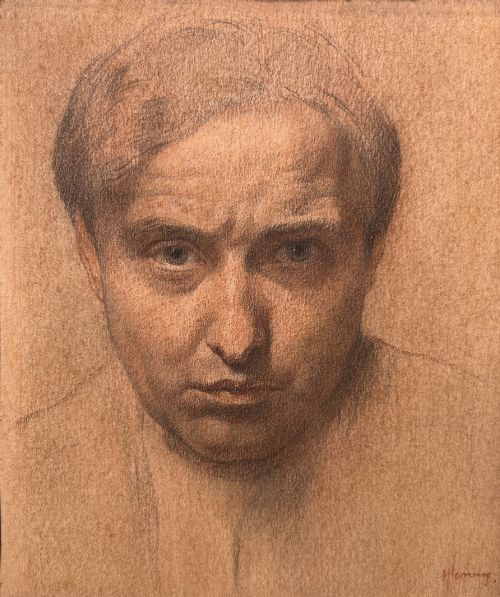
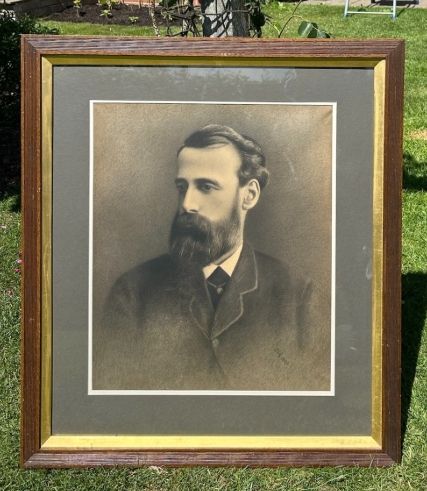
When you search for a signed pencil drawing, you encounter original works spanning from the early nineteenth century through the mid twentieth century. These pieces encompass framed artwork, architectural studies, portraits, and sketches originating from British, European, and American hands.
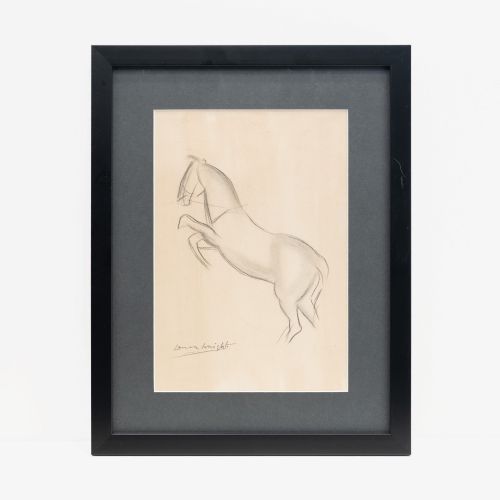
The selections on this page lean heavily toward portraits, equine subjects, and architectural studies framed behind glass in wood surrounds. You will find works bearing the distinct signatures of notable figures alongside accomplished period draftsmen working in graphite and charcoal.
These works range from rapid preliminary sketches to finished grisaille still life studies and detailed maritime rigging drawings. Each piece records a specific moment of observation preserved on paper through graphite, pencil, and occasional touches of watercolour.
Materials and technique
The foundation of these works rests on paper support, often paired with graphite, charcoal, and chalk to build tone and line. Artists utilised soft pencils and black chalk to achieve deep shadows, while white highlights were sometimes added to give depth to portraits and animal studies.
Many of these drawings incorporate subtle washes of watercolour or gouache layered over the initial pencil lines. The application requires a sure hand, as graphite and charcoal leave little room for correction once marked onto the paper surface.
Framing typically involves wood mouldings and protective glass to safeguard the fragile paper and pigment underneath. Stamped collectors' marks and inscriptions on the reverse often provide additional provenance regarding the origin of the sheet.
Signed Pencil Drawing Retail Price Guide 2026
Typical asking prices for signed pencil drawing among the pieces listed under this phrase on Sellingantiques today, from the lower quarter to the upper quarter. They describe what is for sale here now, not the wider market.
Architectural studies and maritime rigging drawings sit alongside intimate portrait sketches signed by Royal Academicians.
Judging quality in graphic works
Quality rests upon the sureness of the line and the precision with which the artist captures form and expression. A master hand reveals itself in economy of stroke, where a few confident pencil marks convey complete anatomical structure or human character.
Condition of the paper and stability of the medium dictate the longevity and visual impact of the drawing. Fading, foxing, and acid burn from old mounts detract from the piece, whereas clean, well-preserved sheets retain the crisp contrast intended by the draughtsman.
The significance of the subject and the clarity of the signature elevate certain pieces above standard studies. Works that capture named sitters or document specific historical scenes carry greater art-historical weight than anonymous sketches.
Henry Percy Huggill·Herbert Johnson Harvey·Dame Laura Knight·Michael Lyne·Augustus Edwin John·Raoul Millais·J Manrique·Sir Francis Leggatt Chantrey·Reginald G. Eves·Theobald Chartran·Francis Dodd
The Signed Pencil Drawing Glossary
- Graphite
- A form of crystalline carbon used as the primary marking core in pencils. It produces grey to nearly black metallic marks depending on the grade and pressure applied.
- Grisaille
- A painting or drawing executed entirely in shades of grey or neutral monochromatic tones. This technique often serves to mimic the appearance of sculpture or provide a tonal study.
- Foxing
- Brown spots and discolouration that develop on old paper due to chemical reactions over time. It is a common occurrence in antique works on paper exposed to humidity.
- Provenance
- The documented history of ownership of an artwork from its creation to the present day. Clear provenance helps verify the authenticity and attribution of signed pieces.
- Gouache
- An opaque watercolour paint consisting of pigment, water, and a binding agent such as gum arabic. Artists use it over pencil to introduce solid highlights and opaque colour.
- Charcoal
- A dry drawing medium made from slowly burned organic material, typically wood. It yields rich, velvety black lines that blend easily on paper surfaces.
Signed Pencil Drawing: Frequently Asked Questions
How do I care for a pencil drawing?
Keep works on paper away from direct sunlight to prevent the graphite from fading and the paper from yellowing. Maintaining stable humidity levels protects the sheet against foxing and mould growth.
Ensure the framing remains sealed to keep out dust and atmospheric pollutants. Acid-free mounts prevent chemical degradation from transferring to the original drawing over time.
Are all pencil drawings preliminary sketches?
Many sheets begin as studies for larger oil paintings or engravings, capturing rapid observations from life. However, numerous nineteenth and twentieth-century drawings were created as finished, independent works of art.
Sketches often show vigorous hatching and directional lines, whereas finished drawings display refined shading, complete tonal ranges, and formal artist signatures.
What does a signature tell me?
A signature confirms the attribution of the hand that executed the graphite or charcoal marks upon the paper. It links the sheet directly to a known artist, draughtsman, or illustrator from the period.
Signatures may appear in pencil, ink, or monogram format, often placed in a lower corner. Comparing the handwriting to documented examples verifies the authenticity of the piece.
Why use paper from earlier centuries?
Historic papers possessed distinct textures, weight, and rag content derived from cotton and linen fibres rather than modern wood pulp. This durability allowed sheets to survive centuries of handling and storage.
Handmade papers interact differently with graphite and charcoal, absorbing the dry media to create rich surface textures impossible to replicate with modern manufactured stock.