





Signed Figure Sketch
A signed figure sketch brings direct draftsmanship into a room, offering intimate hand-drawn studies of the human form by named artists.
Signed Figure Sketch
When you search for a signed figure sketch, you encounter works on paper that capture human forms through direct, personal draughtsmanship. These pieces range from academic studies of standing male nudes to portraits and dancer compositions.
The selections span several decades, featuring works created across the nineteenth and twentieth centuries. You will find pieces aligned with styles such as Victorian academic realism, modern British, and mid-century modern movements.
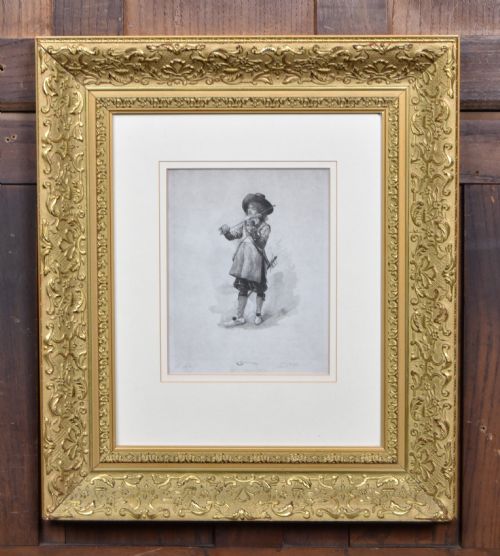
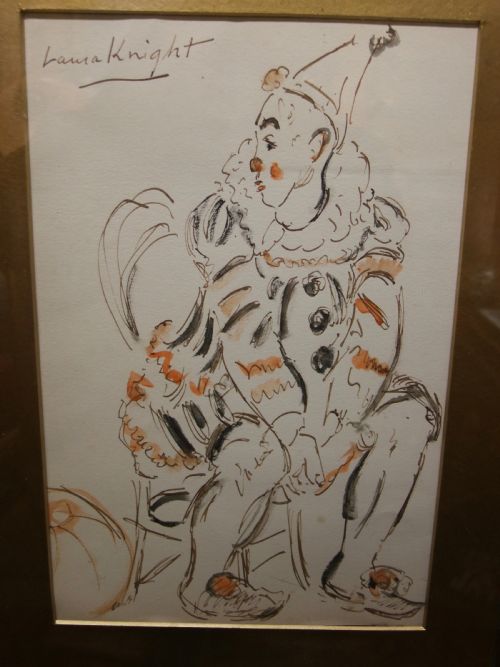
Forms appear primarily as framed original art, wall art, and fine art drawings. Subjects include musicians, ladies, children, clowns, and portraits of notable historical figures.
Materials and methods
Artists executed these works on paper supports using fundamental drawing media such as graphite, charcoal, ink, and pencil. Watercolour and pastels also appear, adding washes of colour or tonal depth to the line work.
Framing often incorporates wood and glass to protect the fragile paper works. Some pieces utilise gilt elements within their presentation frames.
Signed Figure Sketch Retail Price Guide 2026
Typical asking prices for signed figure sketch among the pieces listed under this phrase on Sellingantiques today, from the lower quarter to the upper quarter. They describe what is for sale here now, not the wider market.
Several sketches capture fleeting moments of clowns, musicians, and dancers who likely held still only under strict instruction.
Assessing quality
Quality rests upon the confidence of the line and the artist's ability to render human anatomy and expression with economy. Stronger works demonstrate immediate command over graphite, ink, or watercolour.
The significance of the hand, provenance, and the clarity of the signature distinguish notable examples. Finished compositional studies carry greater presence than preliminary notes.
John Merrifield·Augustus Edwin John·Lucien Freud·Faeq Hassan·Dame Laura Knight·Francis Dodd
The Signed Figure Sketch Glossary
- Graphite
- A form of carbon used in pencils to create monochrome drawings ranging from hard grey lines to deep black tones. It forms the primary medium for many detailed academic studies.
- Academic Realism
- A style of painting and drawing produced under the influence of European academies of art. It emphasises precise anatomical accuracy and careful observation of the human subject.
- Gilt
- A thin layer of gold leaf or gold paint applied to wood frames. This finish enhances the border surrounding works on paper.
- Works on Paper
- An umbrella term for art created on paper supports, including drawings, watercolours, and prints. These pieces require protection behind glass.
Signed Figure Sketch: Frequently Asked Questions
How should I frame a paper drawing?
Works on paper need mounting behind glass to protect the delicate medium from atmospheric moisture and dust. Professional framing with acid-free materials prevents yellowing over time.
Keep these framed pieces away from direct sunlight to prevent the graphite, ink, or watercolour pigments from fading.
What is an academic life study?
An academic life study is a detailed drawing of a human model produced in a structured studio or school setting. These exercises focused on mastering accurate anatomy, proportion, and shadow.
Artists often preserved these rigorous studies for their technical merit and lasting observational value.
How do I identify twentieth-century drawings?
Twentieth-century drawings often shift away from strict academic realism toward modernist interpretations of the human form. Stylistic cues include simplified lines, expressive hatching, and experimental use of watercolour.
Signatures, framing materials, and accompanying biographical dates for artists such as those active in the nineteen-thirties help confirm the period.
Where do portrait sketches work best?
Portrait sketches suit studies, hallways, or quiet reading rooms where viewers can appreciate their intimate scale. Their monochrome or restrained colour palettes blend easily with diverse interior backgrounds.
Pairing them with simple wooden frames allows the draughtsmanship on paper to remain the primary focus.