

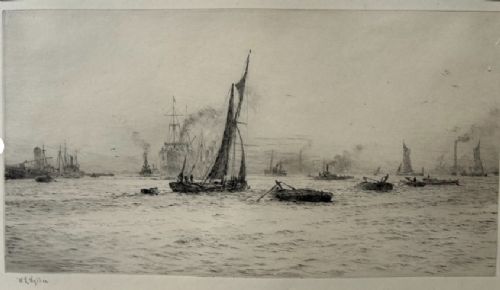
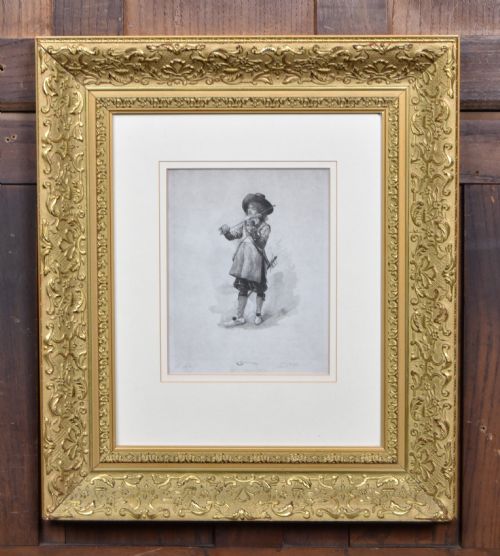
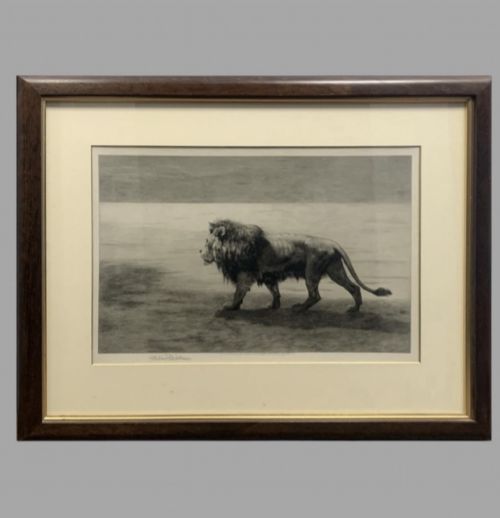
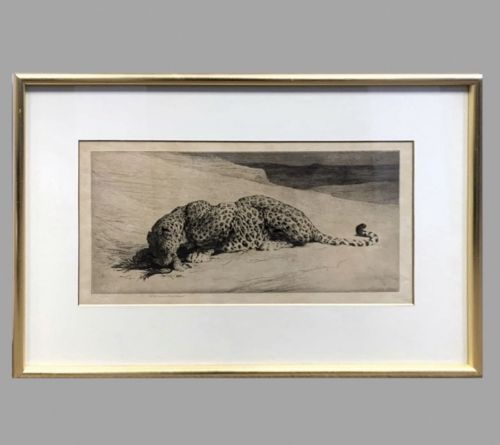
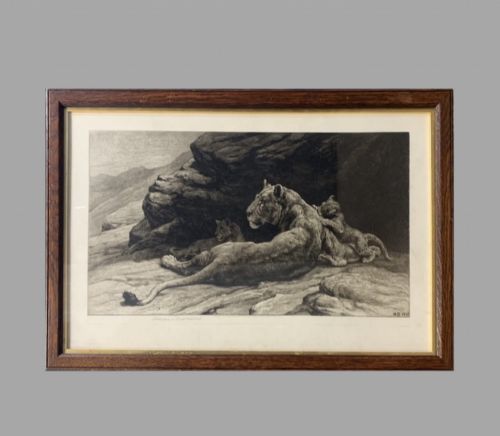
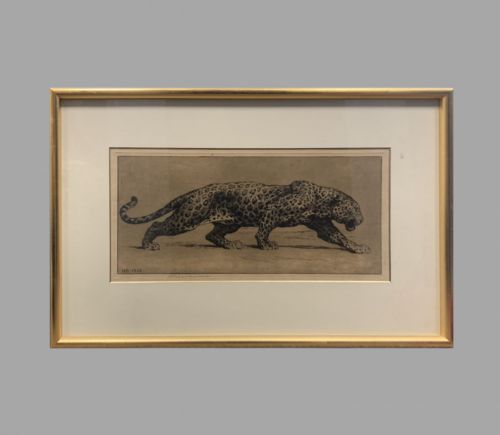
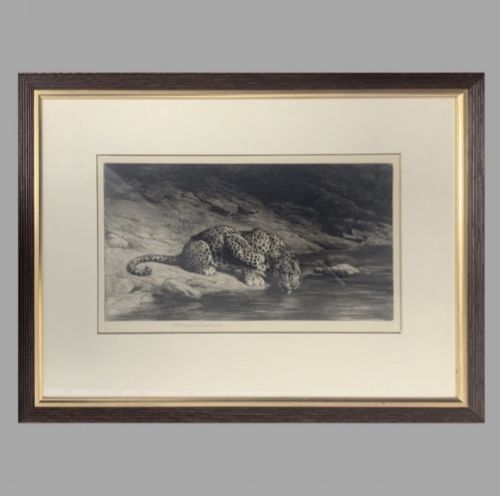
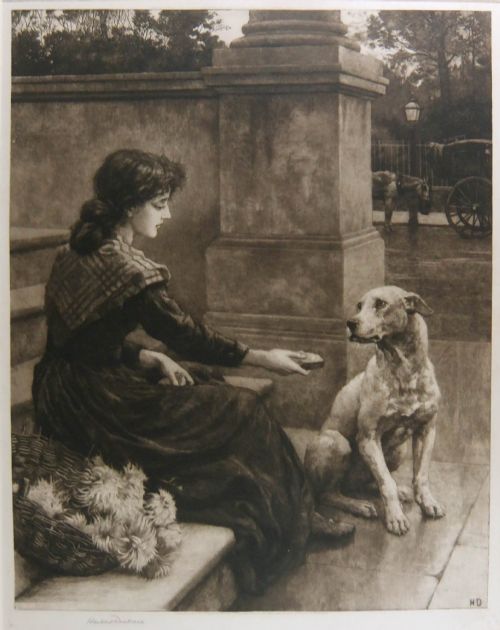


Signed Etching Artwork
These signed etching artwork pieces bring original hand-pulled printmaking into your rooms, offering authenticated works by listed artists from the Victorian era onwards.
Signed Etching Artwork
Signed etching artwork encompasses original intaglio prints created by artists across the late nineteenth, early twentieth, and mid-twentieth centuries. The selection spans atmospheric river scenes, animal studies, architectural views, and figurative compositions executed in various modernist and traditional idioms.
You will most frequently encounter works from the Edwardian and Art Deco periods, particularly British prints on paper or vellum. Subjects range from urban landmarks like Blackfriars Bridge to wildlife and maritime scenes.
These works bridge the gap between mass reproduction and unique painting, carrying the autograph signature of the printmaker in pencil beneath the plate mark.
Materials and methods of production
Artists created these works by drawing through an acid-resistant ground on a metal plate, which was then bitten in an acid bath to recess the lines. Ink was applied to the plate, wiped from the surface, and transferred under pressure to paper or vellum.
Supports vary from traditional paper to delicate vellum, occasionally augmented with aquatint for tonal areas. Prints are commonly housed behind glass within wooden or gilt frames that preserve the fragile sheet.
Signed Etching Artwork Retail Price Guide 2026
Typical asking prices for signed etching artwork among the pieces listed under this phrase on Sellingantiques today, from the lower quarter to the upper quarter. They describe what is for sale here now, not the wider market.
Listings span the Victorian era through the 1960s, featuring works on paper and vellum framed in wood and gilt.
Distinctions in quality
Quality rests upon the clarity of the plate impression and the subtlety of the wiping by the printer or artist. Early artist proofs pulled before popular editions show crisper line work and deeper tonal contrasts.
The significance of the subject matter and the reputation of the printmaker dictate the standing of an individual piece within the field. Condition of the paper sheet and preservation of the pencil signature also influence the standing of the work.
William Lionel Wyllie·Herbert Dicksee·Anne Goldthwaite·John Merrifield·Augustus Edwin John·R.P. Phillimore·Edgar J. Maybery·Louis Icart·Albert Terry·Norman Janes·Frank Greenwood·CB Prescott·Deidre Borlase
The Signed Etching Artwork Glossary
- Etching
- An intaglio printmaking technique where lines are bitten into a metal plate with acid. This process allows for fine, fluid lines controlled entirely by the artist's hand.
- Artist proof
- An impression pulled outside the commercial edition for the artist's own use. These early proofs often display exceptional clarity and detail.
- Vellum
- A prepared calfskin used as a fine print support. It provides a smooth, durable surface that absorbs ink with distinct richness.
- Aquatint
- A printmaking method used to produce tonal areas rather than lines. It creates subtle washes of shadow resembling watercolours.
- Plate mark
- The indented impression left in the paper by the edge of the metal plate during printing. Its presence confirms the intaglio nature of the work.
Signed Etching Artwork: Frequently Asked Questions
How can I tell a genuine signed etching from a reproduction?
A genuine etching displays a distinct plate mark pressed into the paper and ink that sits slightly raised on the surface. You will also find a pencil signature rather than a printed one.
Closer inspection under magnification reveals the characteristic dark halo of ink in the etched grooves, absent in modern mechanical reproductions.
What is the difference between paper and vellum prints?
Paper supports offer a standard absorbent surface that holds ink reliably across diverse artistic periods. Vellum provides a denser, more luminous skin surface.
Vellum was often reserved for special artist proofs, giving the printed lines a distinct tonal depth and permanence.
How do I care for framed etching artwork at home?
Keep these works away from direct sunlight to prevent the paper from yellowing and the ink from fading over time. Maintaining stable indoor humidity protects both the paper support and the wooden frame.
Ensure the frame uses conservation-grade backing and glass that prevents the paper from touching the glazing directly.
Why do some prints feature edition numbers while others do not?
Strict numbering systems became standard practice in the art market during the late nineteenth and early twentieth centuries to denote rarity. Earlier works or specific artist proofs may carry only a signature and title.
Unnumbered trial proofs were pulled during the creative process to test the plate before the commercial edition began.