
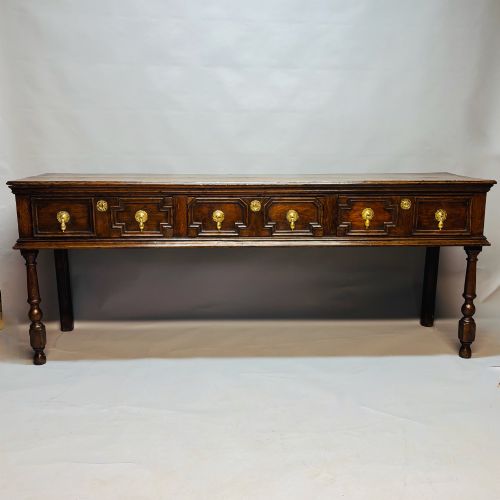
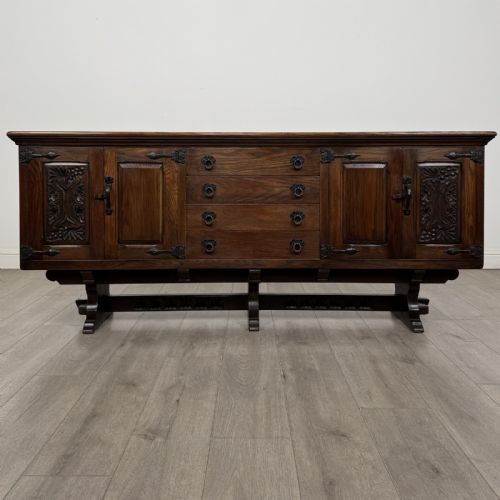
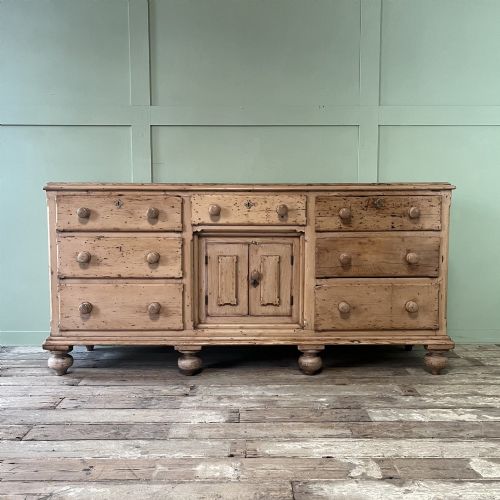
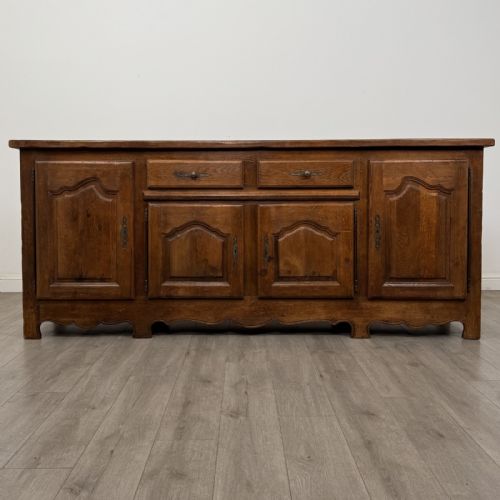
Sideboard Base
When searching for a sideboard base, a buyer encounters substantial timber furniture built to organise dining rooms and domestic spaces across centuries.
Sideboard Base
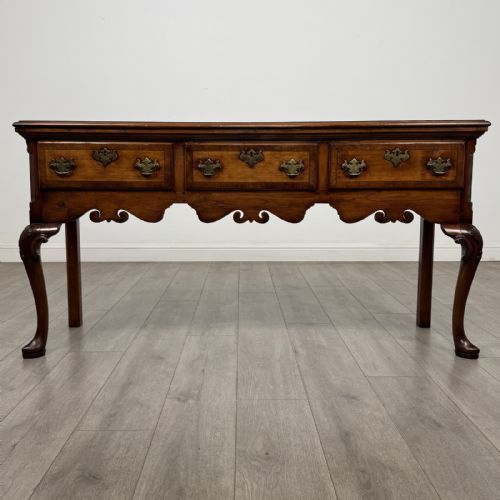
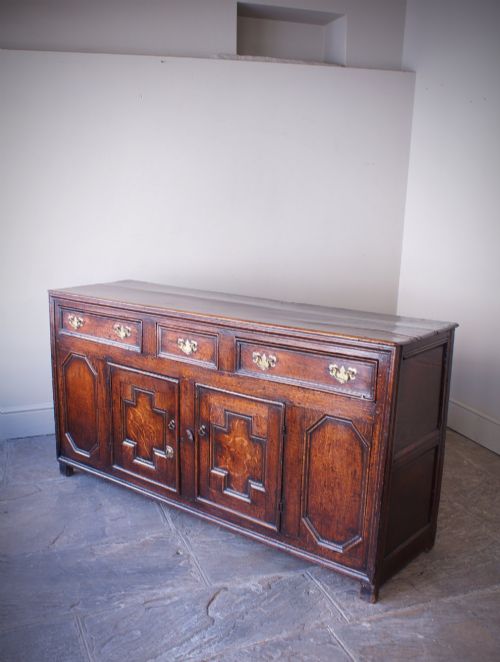
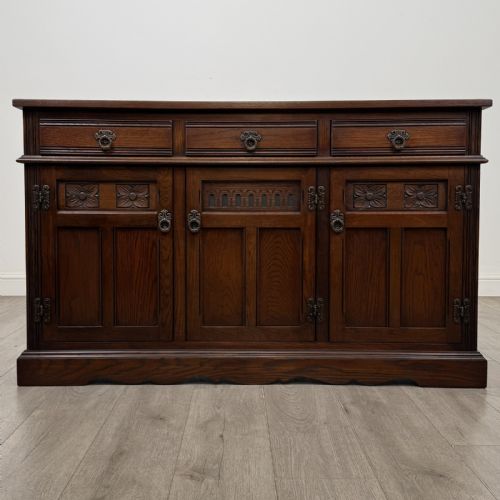
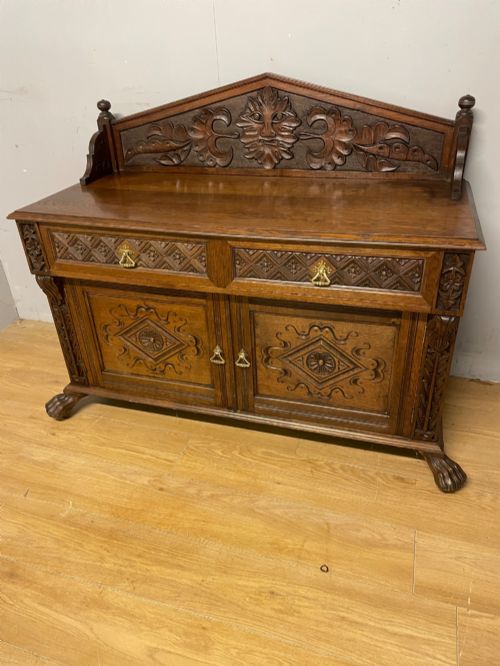
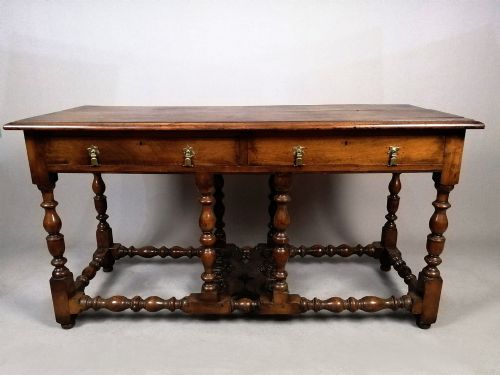
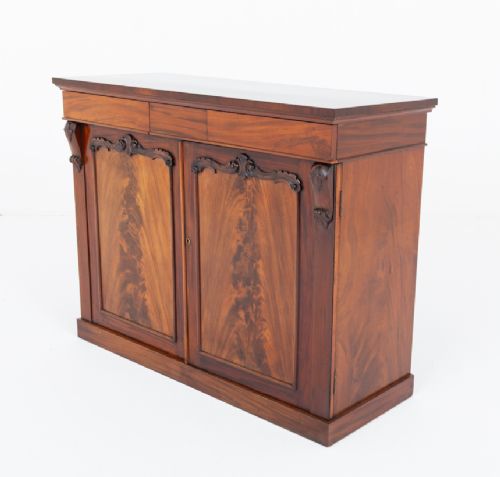
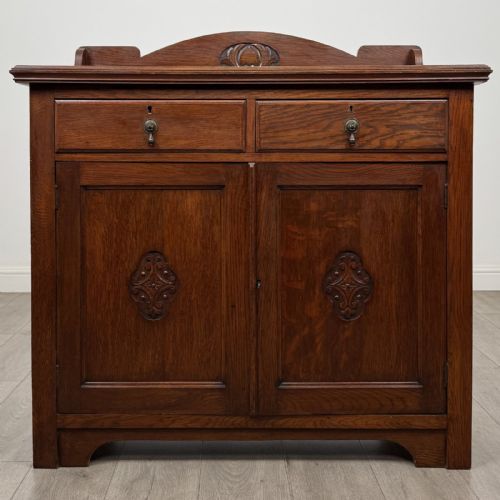
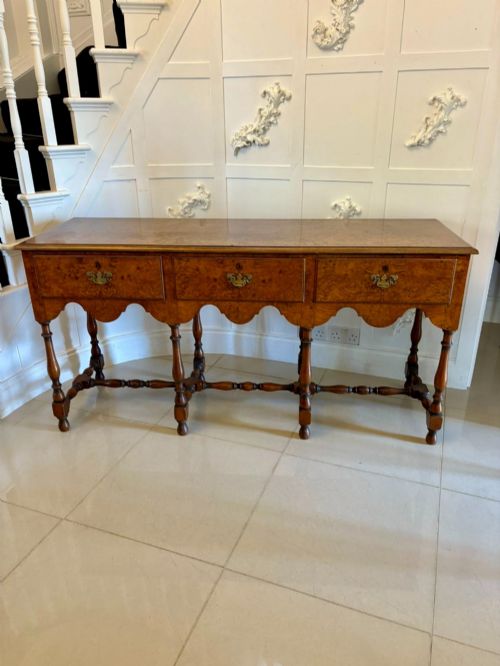
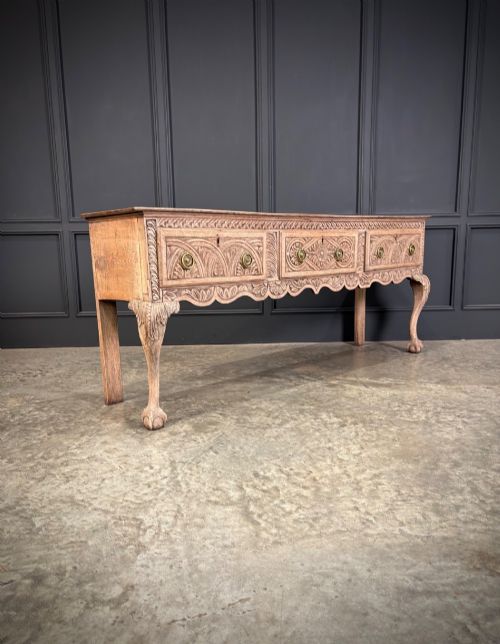
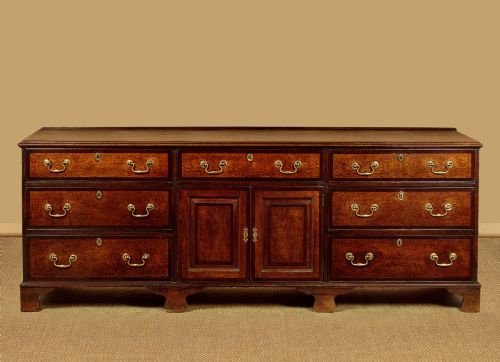
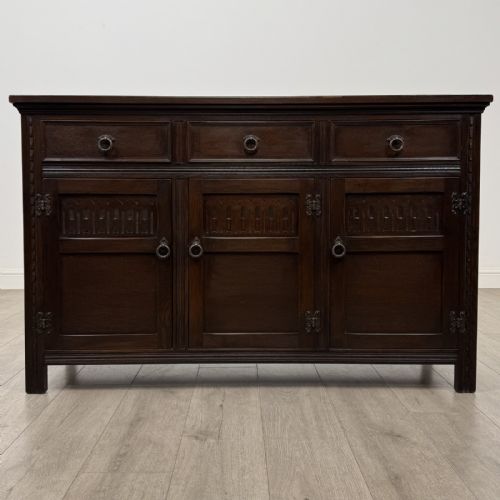
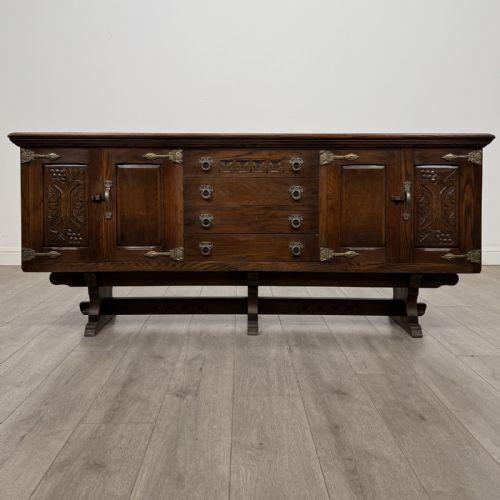
A sideboard base represents the sturdy lower section of traditional kitchen or dining furniture, combining deep storage cupboards and wide drawer arrangements without upper plate racks. These foundational pieces originate from centuries of British and continental farmhouse traditions, ranging from early Georgian country workshops to Edwardian urban homes.
The most common formats found here include heavy oak potboard designs from the eighteenth century, narrow Victorian proportions in mahogany and walnut, and regional Welsh or English country variations. Buyers encounter everything from rustic pine kitchen units to formal breakfront dining room furniture.
Makers utilised these low storage frames to house china, linen, and dining provisions while providing a broad serving surface above. The evolutionary line stretches from utilitarian potboards to decorative revival styles incorporating carved details and panelled doors.
Materials and Technique
Cabinet makers relied primarily on domestic timbers such as oak, pine, and mahogany, selecting each for its density, grain pattern, and structural resilience. Oak forms the backbone of earlier country pieces, while mahogany and walnut dominate refined nineteenth-century production.
Construction techniques involve traditional joinery including mortise and tenon frames, hand-cut dovetails for drawer boxes, and pegged joints on vernacular pieces. Secondary timbers like deal or pine often line the interior compartments and drawer bases.
Surface treatments range from simple wax polish on waxed pine and oak to elaborate carved ornamentation, mirror backs, and brass hardware fittings.
Dog kennel bases were occasionally built with low central arches to keep small spaniels warm beside the kitchen floor.
Gradations in Quality
Quality rests upon the integrity of the original timber selection, the crispness of hand-carved detailing, and the survival of untouched patination. Superior examples retain their original brass drawer pulls, hinges, and uncompromised internal structural framing.
Subtle differences distinguish utilitarian provincial workshop output from high-style urban cabinet making, seen in the precision of dovetail joints and the thickness of timber panels. Pieces altered over generations with replaced tops or modern hardware sit below untouched examples in desirability.
The Sideboard Base Glossary
- Potboard
- An open slatted lower shelf incorporated into traditional dresser bases specifically designed to display heavy earthenware pots and pewter dishes. This lower tier provides structural stability to the legs while keeping utilitarian kitchenware accessible.
- Breakfront
- A cabinet design where the central section projects forward from the flanking outer cupboards or drawers. This architectural arrangement creates depth and visual rhythm across the front elevation of the furniture.
- Chiffonier
- A compact sideboard or cabinet developed during the nineteenth century, typically featuring enclosed cupboards beneath a drawer and a raised back shelf. They served smaller dining rooms and parlours where space was restricted.
- Dog kennel
- A central open recess situated between cupboards in the lower section of a sideboard or dresser base. The space originally accommodated small dogs or warming plates.
- Dovetail
- A traditional interlocking joint used at the corners of drawer boxes, formed by wedge-shaped pins and tails. Hand-cut dovetails indicate age and skilled craftsmanship prior to the introduction of machine manufacturing.
Sideboard Base: Frequently Asked Questions
What is a sideboard base?
A sideboard base is the lower portion of a dresser or a standalone low cabinet designed for dining room storage and serving.
These pieces typically combine drawers and enclosed cupboards beneath a flat top surface, omitting any upper shelving superstructure.
How were they used historically?
Households utilised these heavy timber units in kitchens and dining rooms to store heavy tableware, table linen, and food supplies.
The flat top surface functioned as a staging area for serving dishes during meals or displaying silver and ceramics.
How do I care for antique timber?
Maintain antique wood by applying natural beeswax periodically and avoiding direct sunlight or rapid temperature fluctuations.
Keep humidity stable in the room to prevent the timber from splitting or warping over time.
How can I tell the period?
Dating relies on examining construction methods, such as hand-cut dovetails and pegged joinery, alongside characteristic timber choices and styles.
Earlier eighteenth-century pieces display heavier oak frames and simpler lines, whereas Victorian examples often incorporate elaborate carvings and mahogany veneers.