

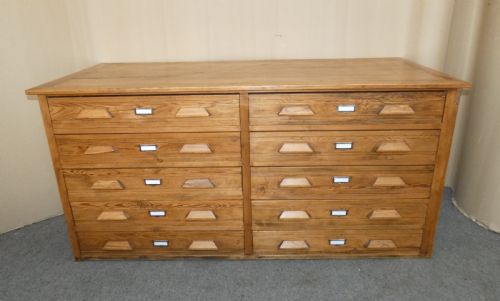


Shop Counter Chest
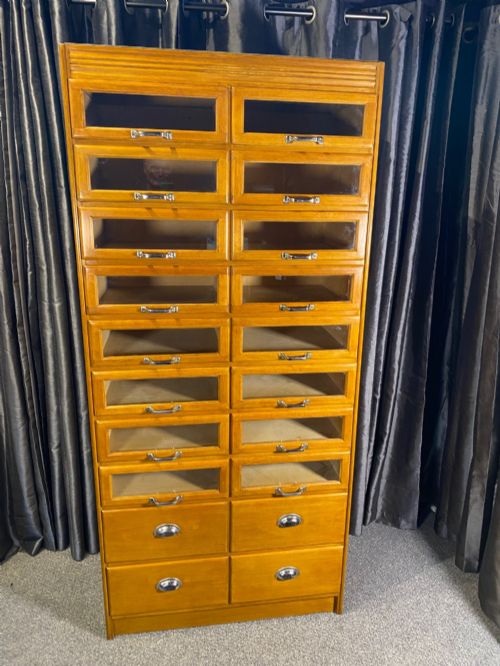
A shop counter chest is a working commercial unit built for display and storage, offering divided drawers for textiles, haberdashery, and small wares.
Shop Counter Chest
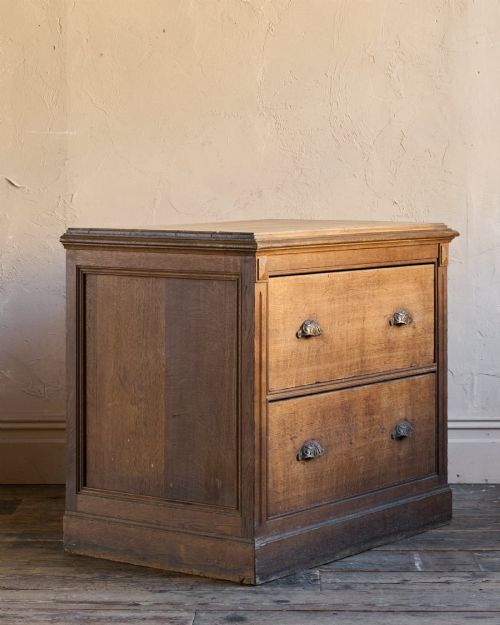
A shop counter chest provides the multi-drawer storage essential to commercial interiors of the nineteenth and early twentieth centuries. These pieces function as low counters designed to house small dry goods, threads, and apothecary items within arm's reach.
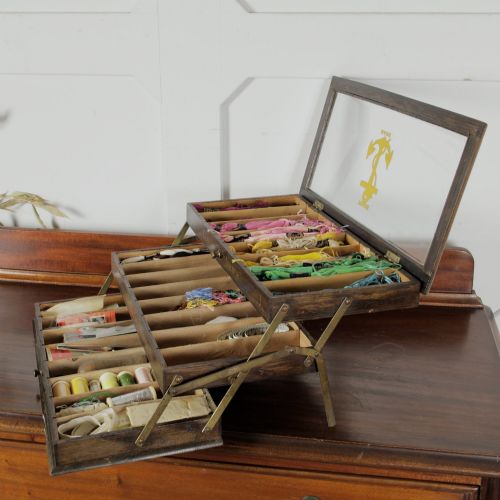
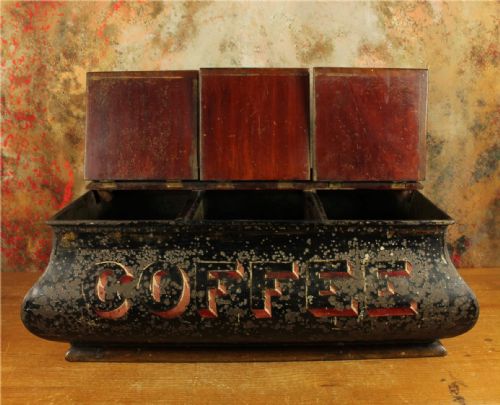
The versions most commonly found here include banks of small drawers, haberdashery cabinets, and trade display cases originating from periods spanning the Victorian era through the 1950s. They appear in forms such as drapers' chests, apothecary boxes, and watchmakers' cabinets.
Originating as practical shop fittings, these timber units bring functional compartmentalisation into modern domestic spaces. Their abundant small drawers suit the sorting and organisation of contemporary collections.
Materials and construction
These commercial chests rely heavily on solid pine, oak, and mahogany for their carcases and multiple drawer banks. Painted finishes in white, cream, and green appear frequently alongside polished wood surfaces.
Metal and brass hardware, including handles and label holders, withstand heavy daily trade use. Glass panels feature on specialised display cases designed to showcase sewing cottons and small wares to customers.
Shop Counter Chest Retail Price Guide 2026
Typical asking prices for shop counter chest among the pieces listed under this phrase on Sellingantiques today, from the lower quarter to the upper quarter. They describe what is for sale here now, not the wider market.
Several units retain their original paint jobs, suggesting past shopkeepers possessed a distinct fondness for cream, green, and white.
Quality and craftsmanship
The standard of a shop counter chest rests upon the scale of its drawer configuration and the integrity of its original painted or polished finish. Units with large numbers of surviving drawers command attention for their substantial presence and utility.
Original trade glass, maker plates, and brass hardware elevate the standing of a piece. The distinction between utility storage and specialised commercial display defines the upper tier of these mercantile survivors.
Manoah Rhodes & Sons Ltd
The Shop Counter Chest Glossary
- Haberdashery cabinet
- A multi-drawer storage unit originally utilised in shops selling small articles of clothing and sewing goods. These often feature glazed fronts or numerous shallow drawers.
- Drapers chest
- A wide timber storage piece designed for fabric merchants and clothiers to hold textiles. The form typically incorporates numerous long drawers beneath a flat counter surface.
- Apothecary box
- A compartmentalised container or cabinet built to hold medicinal bottles, powders, or small specimens. They demonstrate precise interior joinery and secure lids or doors.
- Shop fitting
- A permanent or semi-permanent fixture designed specifically for retail environments. These pieces are constructed to withstand the rigours of daily commercial trade.
Shop Counter Chest: Frequently Asked Questions
What were shop counter chests used for?
Merchants utilised these multi-drawer units behind retail counters to organise small stock items like threads, buttons, and medicines. The setup kept goods sorted while providing a sturdy working surface for serving customers.
Today, the abundant compartmentalisation suits domestic storage needs. Collectors and homeowners use the numerous drawers to organise office supplies, jewellery, and small collections.
How do I date a shop counter chest?
Dating relies on timber selection, construction methods, and the style of hardware attached to the drawers. Victorian pieces often feature heavy pine with painted finishes, whilst 1930s examples frequently utilise oak or mahogany.
Maker plaques, trade labels, and glass embossing offer definitive chronological clues. Comparing the drawer joints and backboards to known commercial styles helps narrow the period.
Are these chests suitable for kitchen use?
These commercial units integrate well into modern kitchens as islands or base storage. Their shallow drawers hold cutlery and utensils efficiently, whilst the robust timber tops provide workspace.
Care must be taken to protect antique wood and painted finishes from moisture and heat. Placing a modern protective top over the counter preserves the historical surface.
What is the difference between drapers and haberdashery drawers?
Drapers drawers are generally wider and deeper to accommodate folded bolts of cloth and larger textiles. They serve the heavier side of soft goods retail.
Haberdashery drawers tend to be narrower and shallower, built specifically for tiny items like sewing cottons and ribbons. Many include glass fronts or specialised display compartments.