


Shoolbred and Co Furniture
Shoolbred and co furniture brings practical London craftsmanship into the hallway and study, offering robust construction and refined period detail for the discerning home.
Shoolbred and Co Furniture
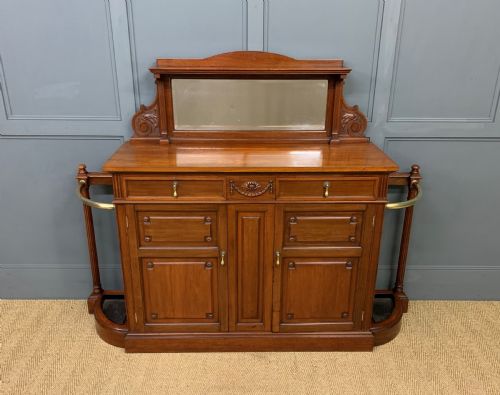
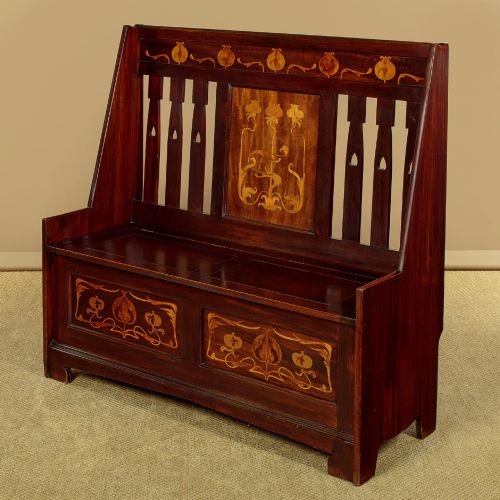
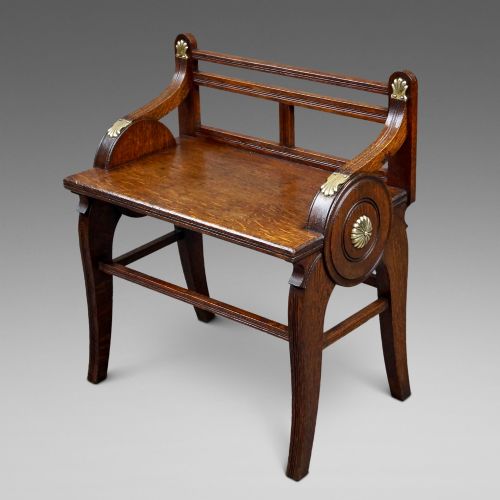
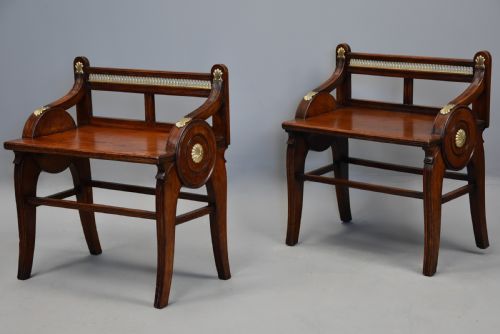
When you search for shoolbred and co furniture, you are looking at utilitarian and reception pieces originating from the noted London maker, spanning the Victorian and Edwardian eras. These domestic furnishings encompass hall stands, benches and settles, alongside lowboys, side tables, bookcases and buffet sideboards.
The versions you are most likely to encounter on this page date from the late nineteenth century into the early twentieth century. They manifest primarily in oak, walnut, mahogany and rosewood, frequently incorporating Arts and Crafts or Victorian Aesthetic Movement design principles.
Makers of this standing produced practical items intended for daily use in grand and modest homes alike. Hall seating and storage solutions dominate the selection, combining sturdy timber frames with functional brass mounts and boxwood inlay.
How they were made
Makers constructed these pieces using solid hardwoods such as oak, walnut and mahogany, often enhanced by burr walnut veneers and boxwood inlay. Joinery techniques ensured structural integrity for heavy hallway use, while carved decorative elements remained disciplined and integrated into the architectural form.
Brass fittings and mountings provided both structural reinforcement and visual contrast against the dark timbers. Glass panels and cast iron elements appeared where functional requirements dictated, particularly on storage and hall furniture.
Listings feature items spanning the Victorian, Edwardian and Arts and Crafts periods, constructed from oak, walnut, mahogany and rosewood.
What varies in quality
Quality in shoolbred and co furniture is determined by the selection of timber and the ambition of the design rather than mere scale. Pieces featuring burr veneers, intricate boxwood inlay or substantial brass mountings represent a higher order of manufacture than plain utilitarian items.
The crispness of the carving and the fidelity of the period style indicate the workshop standard. Well-preserved original surfaces and integrated hardware distinguish the finer examples from those altered or heavily restored over time.
James Shoolbred and Co
The Shoolbred and Co Furniture Glossary
- Lowboy
- A small side table with drawers, typically used as a dressing table or occasional table in the eighteenth century and later revived.
- Settle
- A wooden bench with a high solid back, solid arms, and often a storage compartment beneath the seat.
- Buffet sideboard
- A large dining room sideboard used for serving food and displaying plate, often featuring cupboards and drawers.
- Boxwood inlay
- A decorative technique where contrasting light boxwood is inserted into recesses within a darker wood surface to create geometric or floral patterns.
- Aesthetic Movement
- A late nineteenth-century design style that emphasised aesthetic value and visual beauty over social or narrative themes in decoration.
Shoolbred and Co Furniture: Frequently Asked Questions
What is shoolbred and co furniture?
Shoolbred and co furniture refers to domestic pieces produced by the prominent London furnishing house and department store based on Tottenham Court Road. The firm manufactured a wide range of household goods, from hallway seating to bookcases and sideboards, during the Victorian and Edwardian periods.
These items are recognised for their solid construction and adherence to contemporary design movements such as Arts and Crafts and the Aesthetic Movement. They represent the high standard of commercial cabinet making in late nineteenth-century London.
Where were these pieces used?
Hall furniture by this maker was designed for the entranceways and reception rooms of Victorian and Edwardian homes. Items like hall benches and settles provided practical seating and storage for outerwear upon entering the house.
Other forms such as lowboys, side tables and bookcases served in studies, living rooms and dining spaces. Their robust construction suited the heavy domestic routines of the period.
How do I care for antique walnut and oak?
Maintaining these timbers requires stable indoor humidity and protection from direct sunlight to prevent the wood from drying or fading. Regular dusting with a soft, dry cloth preserves the polished surface without building up residue.
Applying a traditional beeswax polish occasionally helps nourish the grain and maintain the natural lustre of the wood. Avoid placing furniture near direct heat sources to protect veneers and joints.