

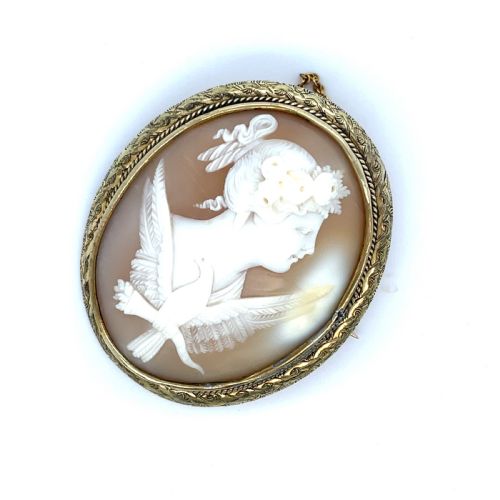

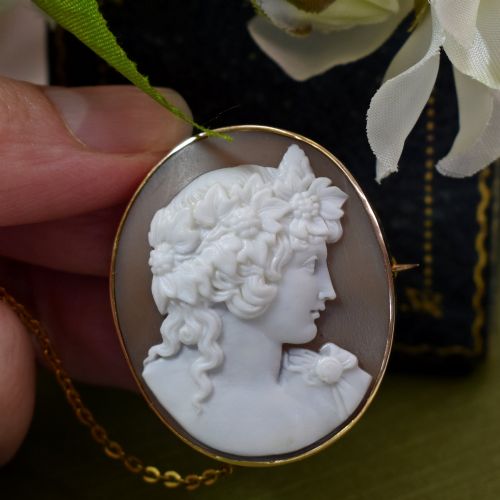
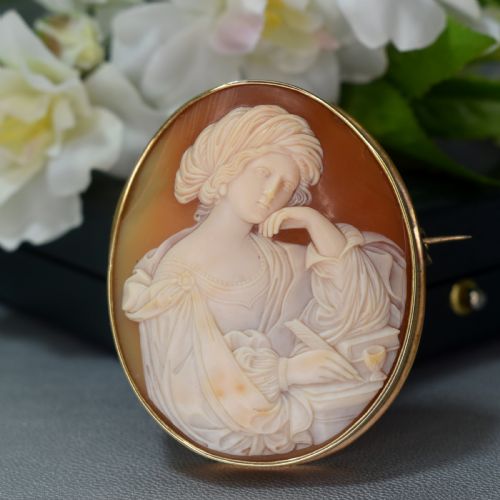


Shell Cameo Portrait
These shell cameo portrait pieces are hand-carved miniature reliefs set into precious metals, offering collectors intimate likenesses of classical figures and historical subjects.
Shell Cameo Portrait
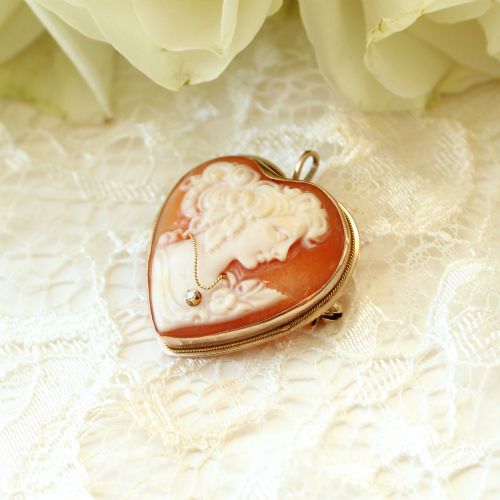
A shell cameo portrait combines sculptural carving with wearable jewellery or decorative objects, typically taking the form of brooches, pendants, earrings, and rings. These pieces emerge predominantly from the Victorian and Edwardian periods, alongside mid-twentieth-century examples.
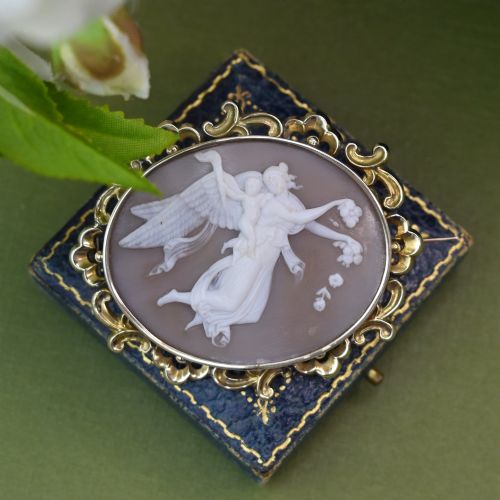
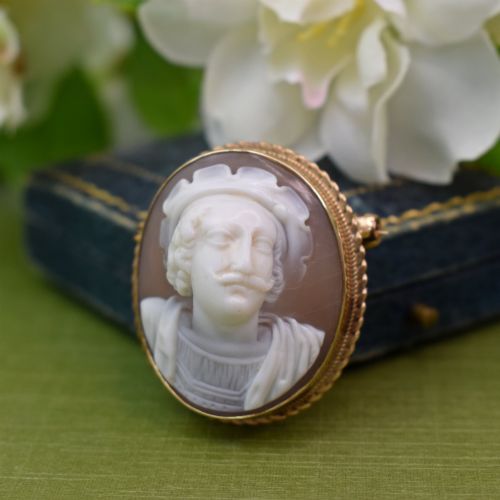
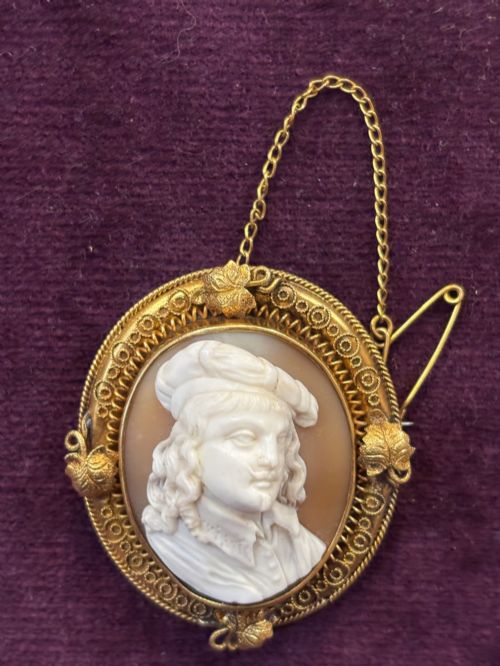
The most common formats on this page are brooches mounted in gold or silver, often depicting classical deities, sibyls, or historical likenesses like Bonnie Prince Charlie. Collectors encounter single portraits as well as matched sets comprising earrings and brooches.
Makers utilised various shell types, including queen conch and standard shell varieties, layering the lighter outer stratum against a darker inner background to create high contrast. These items served as personal adornments and grand tour souvenirs during the nineteenth century.
Distinctions in craftsmanship and design
The sophistication of the metal mount also dictates overall quality, ranging from simple wire frames to elaborate gold filigree, intricate silverwork, and signed settings by known artisans like R. Pernice. Coarser items feature heavy, unrefined frames and less articulate rendering of the portrait subject.
Shell Cameo Portrait Retail Price Guide 2026
Typical asking prices for shell cameo portrait among the pieces listed under this phrase on Sellingantiques today, from the lower quarter to the upper quarter. They describe what is for sale here now, not the wider market.
Some nineteenth-century gentlemen carried magnifying glasses specifically to inspect the microscopic curls in a carved goddess's hair.
The Shell Cameo Portrait Glossary
- Cameo
- A method of carving an object such as a engraved gem, shell, or piece of hardstone where a relief image stands out distinctly from a background of a different colour. The technique relies on layered natural materials to create tonal contrast.
- Queen Conch
- A large sea snail species utilised for its distinct pink and peach-coloured shell layers. Carvers favoured this material for larger classical portrait pieces due to its warm background hues.
- Pinchbeck
- An alloy of copper and zinc developed to imitate gold. It frequently appears on nineteenth-century jewellery mounts and chains.
- Grand Tour
- A traditional trip of Europe undertaken by upper-class European young men of sufficient means. Many shell cameos were acquired abroad as portable works of art during these travels.
- Sibyl
- A prophetess in ancient Greece who was consulted for divine guidance. These mythological figures frequently appear as subjects in nineteenth-century carved portraits.
Shell Cameo Portrait: Frequently Asked Questions
What periods do these pieces date from?
The inventory spans the Victorian and Edwardian eras, alongside mid-twentieth-century examples. Nineteenth-century pieces make up the majority of the selection.
Dating relies on mount styles, metal purities, and the specific carving conventions popular during reigns such as Queen Victoria's.
How were these items worn originally?
Victorians wore shell cameos primarily as brooches pinned to collars and bodices, or suspended as pendants from gold chains. Earrings and rings formed part of coordinated parures for evening wear.
Larger specimens served alternative functions as tabletop ornaments displayed on stands rather than worn on the body.
What subjects appear in the carvings?
Common motifs include classical deities like Flora and Aphrodite, historical figures such as Bonnie Prince Charlie, and mythological sibyls after famous paintings. Double portrait rings and profile likenesses also appear.
Carvers drew inspiration from antique sculpture, Renaissance paintings, and Grand Tour souvenirs popular among nineteenth-century travellers.
How do I distinguish shell from hardstone?
Shell cameos display organic fibrous structures under magnification and are lighter in weight than stone alternatives. The background colours in shell tend towards warm pinks, peaches, and translucent ambers.
Hardstone cameos use layered agates or onyx, which feel significantly colder to the touch and exhibit greater resistance to scratching.