


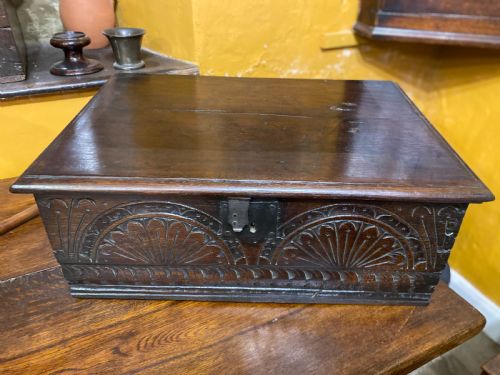


Seventeenth Century Writing Table
A seventeenth century writing table brings centuries of tactile grain and sturdy joinery straight into a modern room.
Seventeenth Century Writing Table
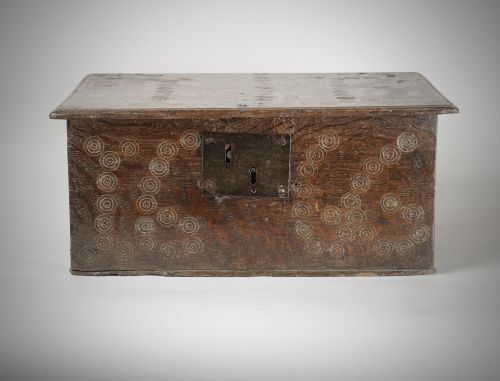
A seventeenth century writing table encompasses robust oak and walnut furniture pieces designed for surface utility, storage, and correspondence. Buyers browsing this selection encounter side tables, lowboys, and desk boxes that reflect the domestic practicalities of the period. Many surviving examples date directly to the seventeen hundreds or display the heavy timber construction characteristic of the era.
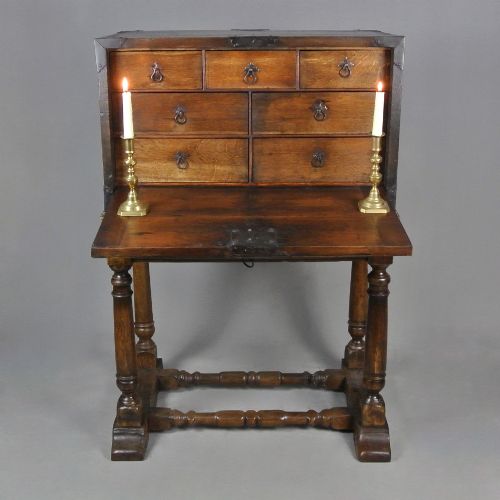
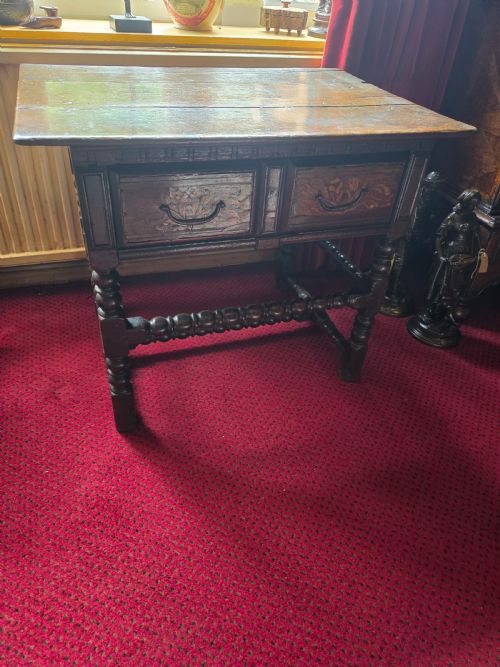
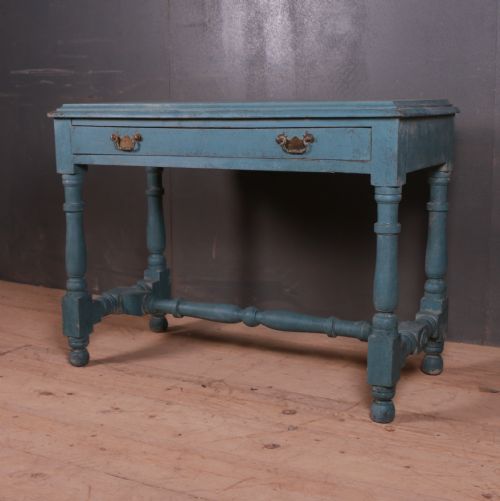
The forms vary from simple side tables with drawers to lowboys and fitted cabinets resting on sturdy legs. Alongside period originals, the listings include later revivals from eighteen fifty and nineteen twenty that emulate earlier joinery methods. These pieces provide a functional surface whilst anchoring a room with historic gravity.
Materials and construction
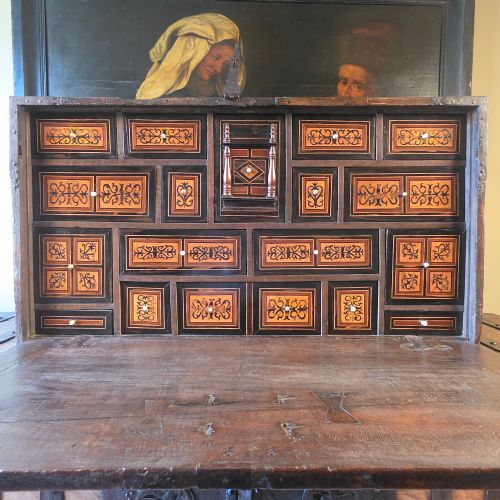
Carpenters of the period relied heavily on solid oak, walnut, and fruitwood, often accented with intricate wood inlay, bone, and brass fittings. Structural integrity relied on pegged mortise and tenon joints, hand-planed panels, and durable wrought iron hardware. These raw elements produced heavy, resilient furniture built to withstand generations of daily use.
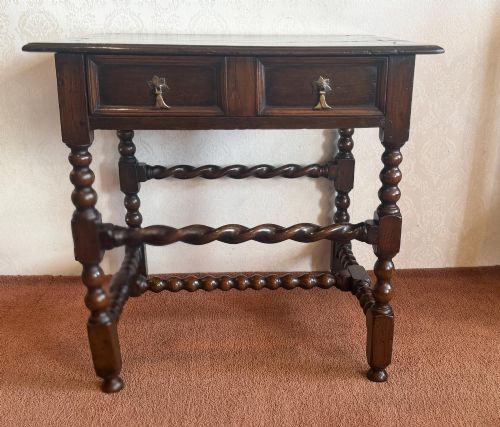
Surface ornamentation included hand carving, bobbin turning, and barley twist legs that added architectural rhythm to the timber. Drawers utilised side or bottom runners, occasionally concealing internal compartments for paperwork and valuables. Every component was shaped by hand tools, leaving subtle tool marks across the timber.
Seventeenth Century Writing Table Retail Price Guide 2026
Typical asking prices for seventeenth century writing table among the pieces listed under this phrase on Sellingantiques today, from the lower quarter to the upper quarter. They describe what is for sale here now, not the wider market.
Some bible boxes retain faint ink stains inside their hidden drawers from centuries ago.
Judging quality and period integrity
The finest examples retain their original timber patination, untouched hardware, and primary structural surfaces without extensive timber replacement. Master joinery shows tight, flush joints where panels meet, whereas lesser pieces exhibit clumsy timber swaps or heavy modern refinishing. Original internal drawer configurations and period locks distinguish superior items from standard domestic survivals.
Proportion and decorative restraint often separate high-status pieces from utilitarian workshop output. Finely carved details and crisp turnings indicate skilled handwork rather than mass production. The integrity of the grain and the honesty of the wear patterns reveal the true age and history of each surface.
The Seventeenth Century Writing Table Glossary
- Lowboy
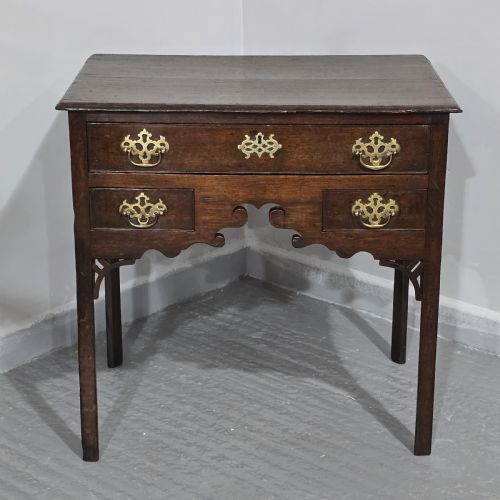
- A small table with one or more drawers, typically supported by four legs, used historically for personal grooming or writing. These compact pieces offer surface space combined with concealed storage.
- Barley twist
- A type of turning resembling a rope wound tightly around a cylinder, popular in seventeenth century furniture design. This decorative technique creates dynamic light and shadow across wooden legs.
- Bible box
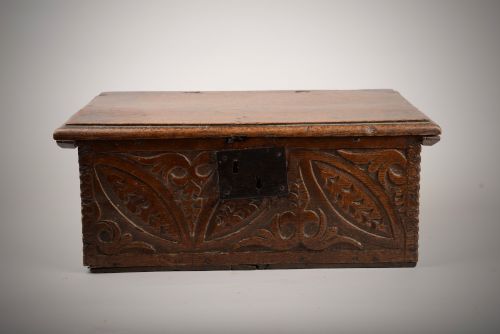
- A small wooden chest with a sloped or flat lid, originally built to store sacred texts and writing materials. Many feature integrated internal drawers for ink and quills.
- Mortise and tenon
- A traditional woodworking joint where a projecting tongue fits snugly into a corresponding cavity to lock timbers securely together. This method requires no metal fasteners to maintain structural rigidity.
Seventeenth Century Writing Table: Frequently Asked Questions
How do I use one today?
These tables function well as laptop desks, hallway display surfaces, or bedside stands in contemporary interiors. Their compact proportions allow them to fit into tight spaces whilst providing practical surface area.
Keep them away from direct heat sources and harsh sunlight to protect the aged timber finish. Regular dusting with a dry cloth helps preserve the natural wax patination over time.
Are revivals worth collecting?
Revival pieces from later centuries offer solid timber construction and historic styling at a different level of availability. They demonstrate the enduring appeal of earlier craftsmanship and historical design motifs.
Collectors often appreciate revivals for their sturdy utility and decorative presence in a home. They represent a distinct phase of craftsmanship that looked backward to celebrate earlier aesthetics.
What is a table box?
A table box is a portable wooden chest designed to sit on a desk or table for storing documents and valuables. They frequently include small internal drawers and compartments for organised storage.
These versatile objects transport easily and provide secure containment for small personal items. Their decorative exteriors make them striking focal points on larger pieces of furniture.
How do I spot period turnings?
Period turnings such as bobbin and barley twist shapes display hand-carved irregularities rather than uniform machine precision. Craftsmen used lathes driven by foot power to shape the green timber.
Close inspection reveals subtle tool marks and variations in the thickness of the twisted profile. These slight inconsistencies confirm the manual labour involved in creating seventeenth century joinery.