



Sepia Maritime Wall Art
Sepia maritime wall art brings historic coastal scenes and vessels into a room through muted monochrome tones.
Sepia Maritime Wall Art
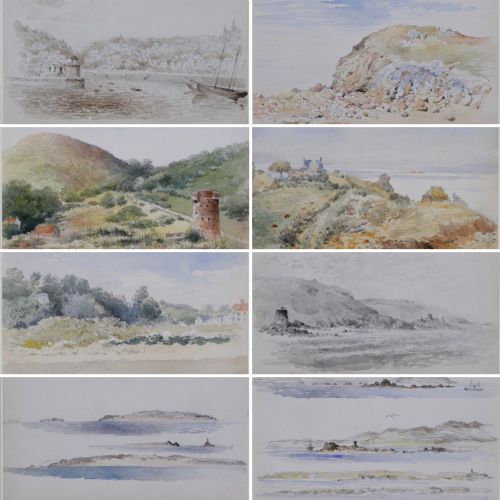
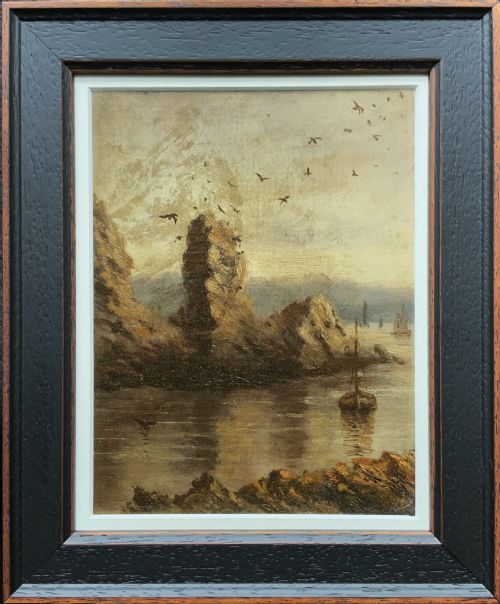
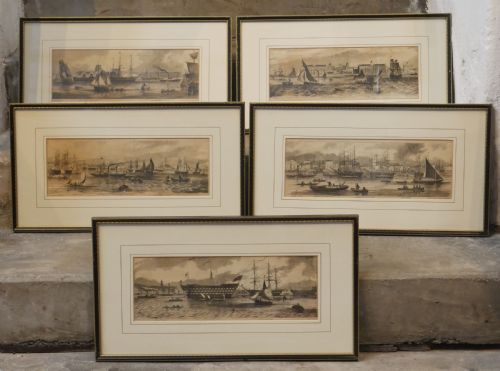
When you search for sepia maritime wall art, you encounter framed watercolours, engravings, prints, and photographs depicting ships, ports, and coastal views. These pieces capture naval officers, steamships, sailing yachts, and harbour scenes through subdued brown and monochrome palettes.
The selections span from the eighteenth century through the Edwardian era and the interwar period. Victorian maritime and British school styles dominate the works, offering glimpses of West Country trawling luggers and London docks.
Framed artwork and watercolour paintings provide the primary forms on this page, often preserved behind glass with wooden framing. Each piece records maritime history and coastal topography from past centuries.
Materials and methods
Artists and makers utilised paper, watercolour pigment, and ink to render nautical scenes, frequently finishing works with gold leaf or gilt accents on the framing. Engravings and lithographs provided mechanical reproduction methods for naval series.
Original watercolours and early photographs relied on high-grade paper housed beneath protective glass within wooden frames. These traditional components preserved the delicate monochrome and sepia tones against environmental wear.
Sepia Maritime Wall Art Retail Price Guide 2026
Typical asking prices for sepia maritime wall art among the pieces listed under this phrase on Sellingantiques today, from the lower quarter to the upper quarter. They describe what is for sale here now, not the wider market.
Object types include wall art, paintings, framed artwork, and prints and engravings spanning multiple centuries.
Factors of distinction
Quality rests in the precision of the draughtsmanship and the clarity of the vessel details captured by the artist or engraver. Hand-painted watercolours by named artists exhibit greater depth than standard lithographic prints.
The preservation of the paper support and the originality of the wooden frame influence the character of each piece. Intact signatures and period framing elevate the historical value of the artwork.
F Corpuz Artist·Richard Harry Carter·William Frederick Settle·Leslie Rackham·William Wyld·Harry Wanless·Thomas Clavering Alder
The Sepia Maritime Wall Art Glossary
- Sepia
- A brownish pigment originally derived from the ink sac of the cuttlefish, widely used in historical photography and wash drawings. It gives monochrome works their characteristic warm brown tone.
- Watercolour
- A painting method where the pigments are suspended in a water-based solution. Artists apply these to paper to create translucent marine washes.
- Engraving
- A printmaking technique where an artist carves an image into a metal plate. Ink is transferred from the incisions to paper under pressure.
- Lithography
- A planographic printing process based on the repulsion of oil and water. It allowed for the commercial production of ship illustrations in the nineteenth century.
- Lugger
- A small two- or three-masted fishing vessel carrying lug sails. They appear frequently in West Country coastal paintings.
Sepia Maritime Wall Art: Frequently Asked Questions
What periods do these pieces cover?
The works span from the eighteenth century through the Victorian and Edwardian eras up to the interwar period.
Most items originate from the nineteenth and early twentieth centuries, reflecting naval and merchant shipping history.
How should I hang these works?
Keep watercolours and photographs away from direct sunlight to prevent the fading of sepia pigments and paper deterioration.
Ensure wall fixings are secure for framed wood and glass assemblies.
Are these works original?
The selection includes original hand-painted watercolours alongside period engravings, lithographs, and early photographs.
Each listing specifies whether the artwork is a unique painting or a printed edition.
How do I identify a Victorian maritime work?
Victorian pieces often depict British school landscapes, naval officers, or sailing vessels with detailed rigging.
Framing materials and paper types from the nineteenth century help confirm the period of origin.