



Secessionist Lighting
Secessionist lighting brings together striking brass, copper, and patinated metal forms from the early twentieth century that define the period's architectural geometry.
Secessionist Lighting
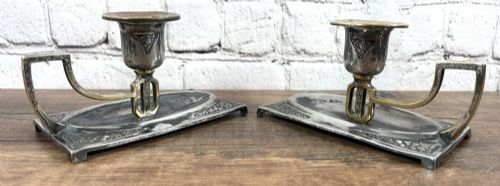
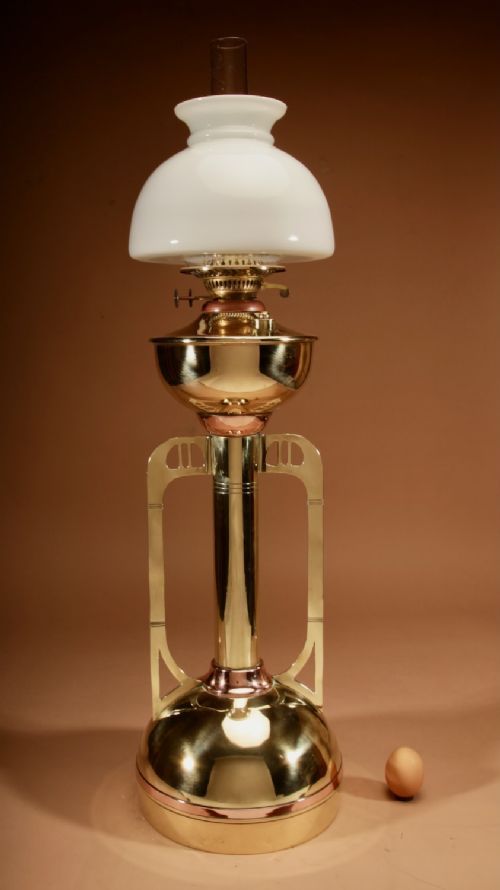
Secessionist lighting encompasses table lamps, paraffin lamps, oil lamps, candlesticks, candle holders, and candelabra produced around nineteen hundred and nineteen ten. These pieces emerge from the broader Art Nouveau, Jugendstil, Arts and Crafts, Vienna Secession, and Secessionist movements.
The objects combine utilitarian function with the rigorous, linear geometry characteristic of European workshops and continental designers. Buyers most frequently encounter table lamps and candle holders rendered in brass, copper, and patinated metal.
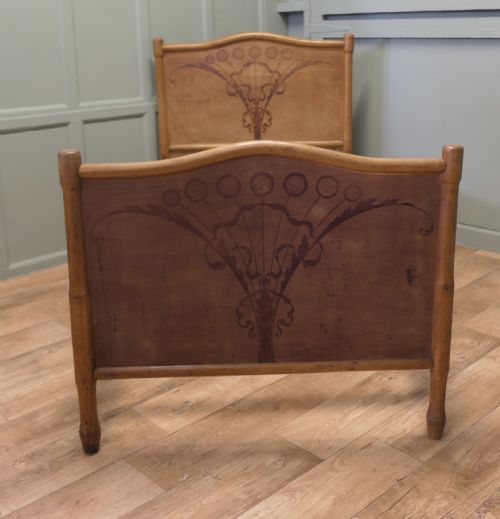
Examples often integrate contrasting materials such as glass shades, beech veneer, and inlay work to create balanced, planar compositions. Makers utilise silver plating and patination to vary the surface texture of the metalwork.
How they were made
Metalwork forms the foundation of these pieces, employing hammered or sheet copper and cast brass shaped into geometric or stylized organic profiles. Workshops applied chemical patination or silver plating to achieve specific dark or lustrous surface finishes.
Lighting components incorporated blown or moulded glass inserts, shades, and oil reservoirs that paired directly with the metal mounts. Wooden elements such as beech veneer and detailed inlay work appeared on structural or decorative components.
Secessionist Lighting Retail Price Guide 2026
Typical asking prices for secessionist lighting among the pieces listed under this phrase on Sellingantiques today, from the lower quarter to the upper quarter. They describe what is for sale here now, not the wider market.
Listings feature items dated nineteen hundred and nineteen ten, incorporating brass, copper, glass, patinated metal, beech, veneer, inlay, and pewter.
What varies in quality
Quality rests upon the precision of the metal fabrication, the crispness of the applied patination, and the integrity of the integrated glass elements. Pieces designed by documented continental firms display more rigorous structural articulation than anonymous workshop productions.
The harmony between secondary materials like inlay, veneer, and base metals dictates the visual cohesion of an object. Finer items maintain proportional balance between the functional lighting mechanism and the decorative metal housing.
Jacob and Joseph Kohn·Gustave Serrurier Bovy·Birmingham Guild of Handicraft·Jan Eisenlöffel·Hugo Berger
The Secessionist Lighting Glossary
- Secessionist
- Pertaining to the early twentieth-century artistic movements that broke away from traditional academic art academies. This style emphasises geometric structure over excessive flowing plant forms.
- Jugendstil
- The German-language variant of Art Nouveau active around nineteen hundred. The movement influenced the design of domestic metalwork and lighting fixtures.
- Patinated Metal
- Metal treated with chemical solutions to alter its surface colour and texture. This technique was widely utilised by period workshops to create antique or darkened finishes.
- Candelabra
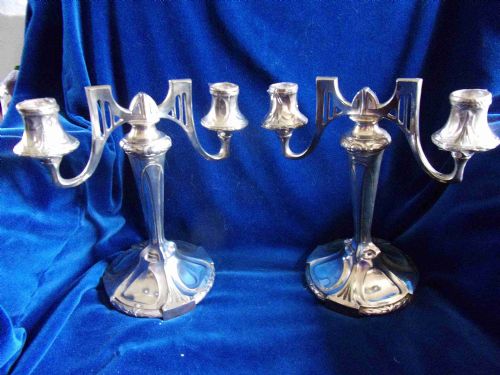
- Branched lighting devices designed to hold multiple candles simultaneously. They often mirrored the architectural metalwork of contemporary table lamps.
Secessionist Lighting: Frequently Asked Questions
What is secessionist lighting?
Secessionist lighting covers early twentieth-century lamps and candle holders produced during the height of the continental design reforms. These objects are characterised by geometric metalwork and functional simplicity.
They utilise materials such as brass, copper, and patinated metal to create distinct silhouettes associated with the Vienna Secession and Jugendstil movements.
How do I date these pieces?
Dating relies on stylistic markers and manufacturing techniques typical of nineteen hundred to nineteen ten. Pieces often combine Art Nouveau fluidity with emerging modernist straight lines.
Documentation, maker marks, and structural material choices help narrow the production window within this specific decade.
What materials were used?
Makers relied heavily on base metals including brass and copper, frequently enhanced with silver plating or dark patination. Glass shades and reservoirs were standard for functional illumination.
Secondary materials like beech, veneer, and inlay appear on select table lamps and structural supports to add textural contrast.
How do I clean patinated metal?
Patinated metal requires gentle dusting with a dry cloth to preserve the original chemical finish applied by the workshop. Agressive polishing removes the aged surface layer that defines the period appearance.
Maintaining the original patina ensures the historical integrity and visual depth of the brass or copper remain intact.