


Seated Portrait Oil
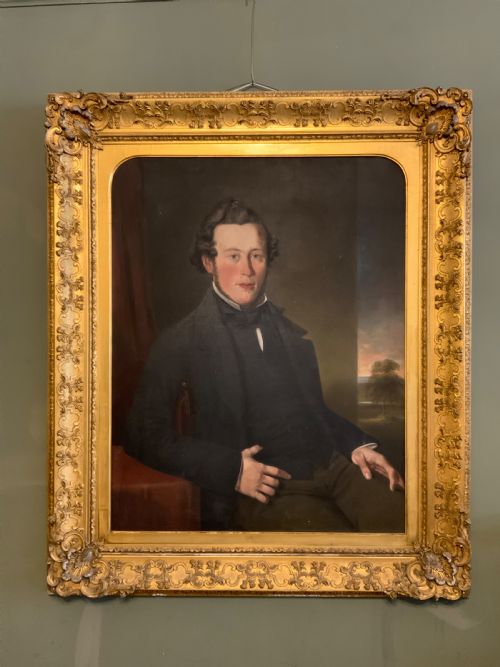
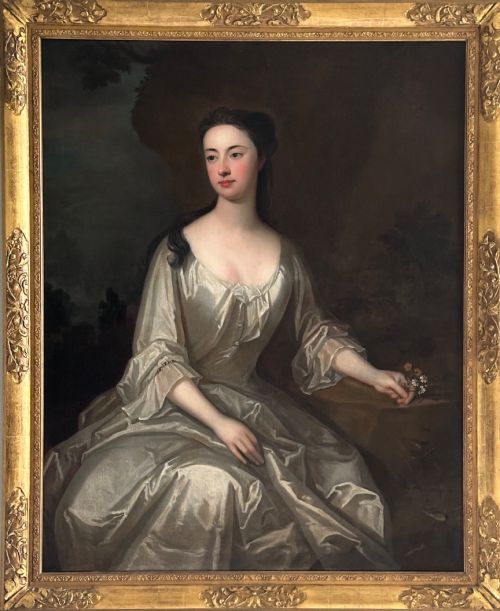
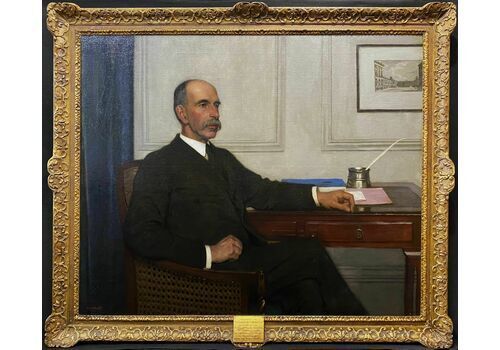
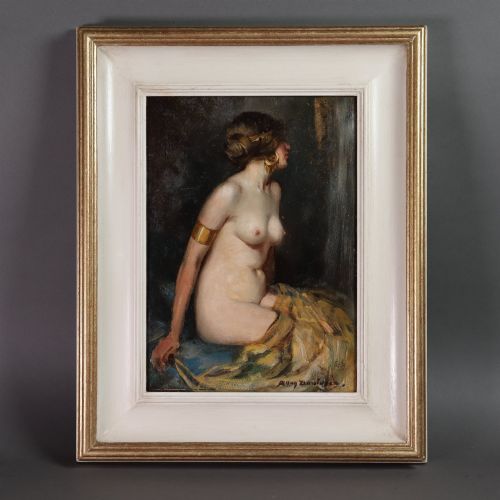
When choosing a seated portrait oil, you select a framed canvas or board depicting a figure at rest, spanning centuries of portraiture.
Seated Portrait Oil
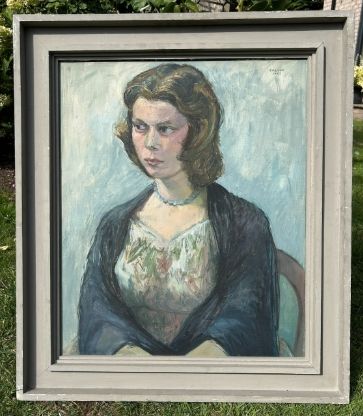
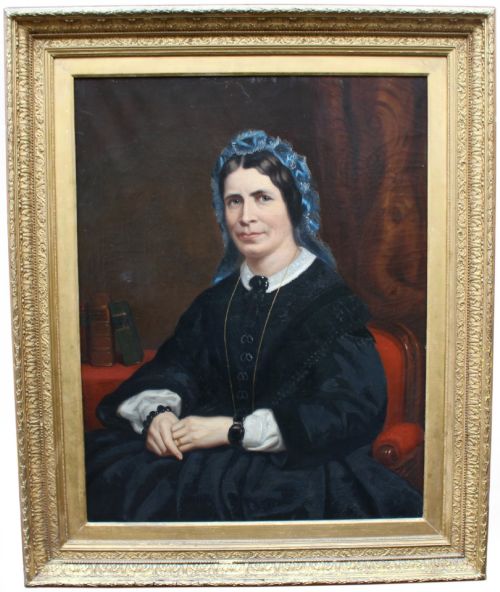
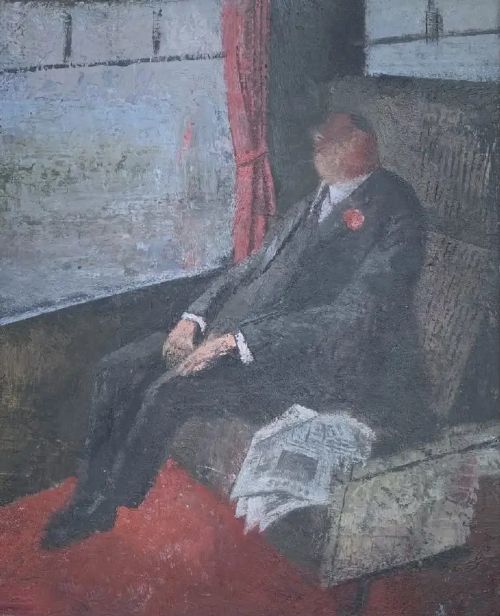
A seated portrait oil captures individuals in interior rooms, parklands, or landscapes, rendered by artists across the eighteenth, nineteenth, and twentieth centuries. These compositions record sitters ranging from Regency gentlemen and Victorian figures to mid-century subjects and intimate nude studies.
The versions most frequently encountered on this page date from the nineteenth century and the early twentieth century, alongside eighteenth-century works and later modern interpretations. Painters utilise oil on canvas or oil on board to portray sitters in specific attire, often framed in period wood or gilt mouldings.
How They Were Made
Painters build these works using oil paint applied to woven canvas stretched over wooden frames, or directly onto rigid wooden boards. Pigments are layered to create depth in clothing, skin tones, and background landscapes.
Many works sit within wooden surrounds, sometimes finished with gilt or gilded wood moulding. These frames are integral to the presentation of the canvas, varying from simple profiles to ornate Victorian designs.
Portraits include identified historical figures, military officers, geologists, and anonymous sitters in landscape and interior settings.
What Varies in Quality
The capability of the hand governs the success of a portrait, distinguishing skilled anatomical rendering and facial expression from stiff or formulaic execution. Master painters capture likeness and presence with economy, while lesser hands struggle with proportion and texture.
The condition of the paint layer and the canvas support shapes the integrity of the piece. Stable surfaces with minimal restoration sit above canvases bearing heavy overpainting, heavy craquelure, or structural damage.
Harold Knight RA·Allan Douglas Davidson·Arthur Spooner·Henry William Pickersgill·Ramsay Richard Reinagle
The Seated Portrait Oil Glossary
- Canvas
- A heavy woven fabric stretched across a wooden stretcher to provide the primary ground for oil painting. It forms the flexible support for most historic portraiture.
- Gilt wood
- Wood coated with a thin layer of gold leaf or metallic gilt powder, commonly used for framing historic artworks. This finish adds reflective brilliance to the perimeter of the painting.
- Oil paint
- A slow-drying medium composed of pigments suspended in a drying oil, typically linseed. It allows artists to blend tones smoothly and build rich surface textures.
- Board
- A rigid wooden panel utilised as a painting support instead of fabric stretched over a frame. It provides a stable, unyielding surface for the pigment.
- Regency
- A British historical period spanning the early nineteenth century, characterised by distinct neoclassical aesthetics in portraiture and framing. Works from this era often feature specific sitter costumes and linear refinement.
Seated Portrait Oil: Frequently Asked Questions
How do I date a portrait oil?
Dating relies on costume details, hairstyles, framing styles, and stretcher construction. Artists often signed, dated, or inscribed the reverse of the canvas.
Contextual clues within the background setting or written records regarding the sitter further clarify the period of creation.
Where were these paintings displayed?
Historical portraits hung primarily in domestic drawing rooms, galleries, and country houses. They served to record lineage, status, or personal likeness within the home.
Today, collectors place them in both traditional and modern domestic interiors as focal wall art.
What is the difference between canvas and board?
Canvas consists of woven fabric stretched over a wooden frame, offering a flexible surface that responds to atmospheric changes. Board provides a solid, rigid wooden panel that requires less tension management.
Both supports received preparatory grounds before the artist applied oil paint.
How do I care for an oil portrait?
Keep paintings away from direct sunlight, extreme temperature fluctuations, and high humidity to prevent paint cracking and canvas distortion. Dust the surface gently with a soft, dry brush without applying pressure.
Avoid using liquid cleaners or touching the paint layer directly.