



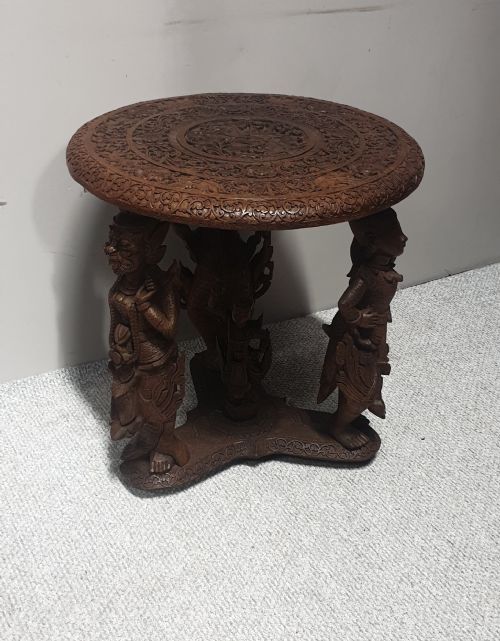


Sculptural Side Table
A sculptural side table brings figurative form and carved presence directly into your room, bridging the gap between functional furniture and standalone art.
Sculptural Side Table
A sculptural side table combines functional surface space with carved figural or architectural form. Buyers hunting this phrase seek objects that transcend simple utility, often encountering pieces shaped by the aesthetic currents of the nineteenth and twentieth centuries.
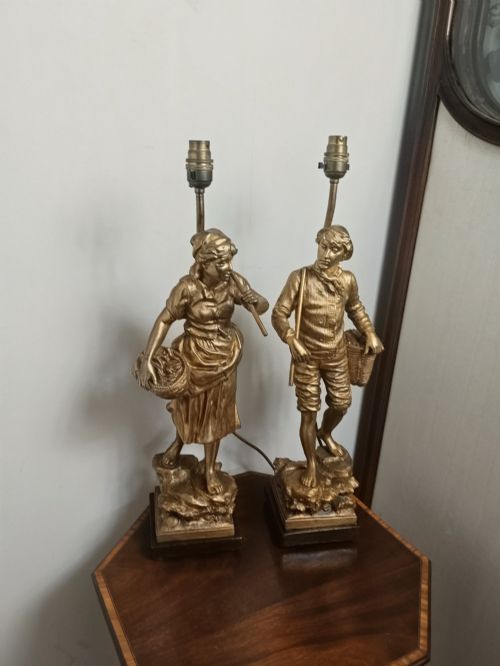
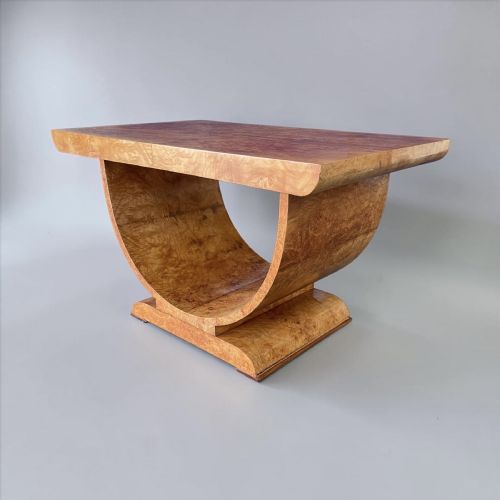
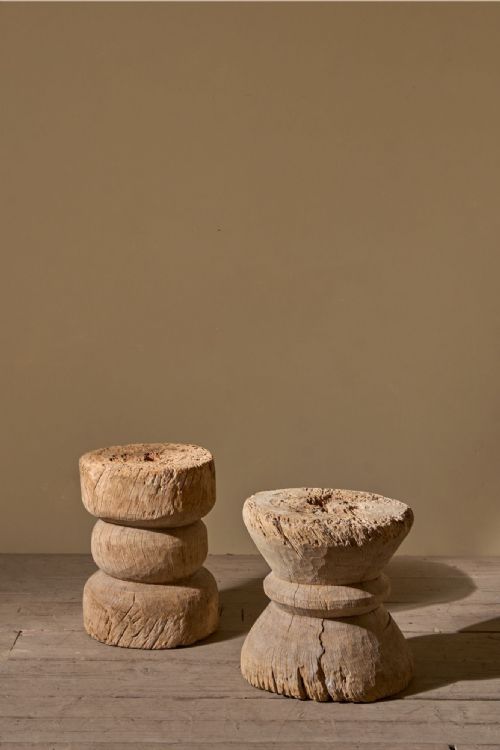
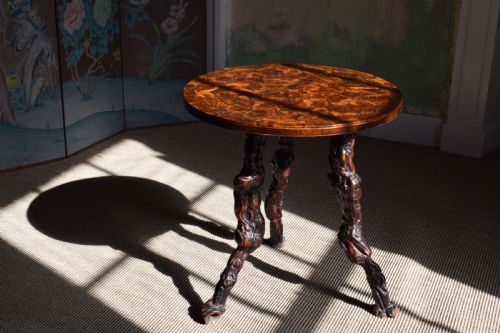
The selection on this page demonstrates considerable variety in origin and form, moving from nineteenth century rustic wood examples to polished Art Deco burr maple and ebony designs. Alongside standard tables, the selection includes intricately carved camel tables and figural works that double as illumination.
The stylistic lineage stretches across diverse global and historical traditions, encompassing Italian Renaissance revival walnut, African tribal carving, and Anglo-Indian craftsmanship. Such breadth means each table carries a distinct sculptural narrative rather than a standardised factory aesthetic.
How they were made
Construction relies heavily on dense woods and metals, pairing walnut, teak, burr maple, and hardwood with gilt metal, bronze, and spelter. Artisans selected these materials for their ability to hold sharp carved detail and withstand structural demands.
Carving and casting dominate the techniques recorded in the evidence, from hand-carved animal and human figures to cast bronze and gilded metal elements. These methods require considerable patience, allowing makers to integrate three-dimensional sculpture directly into load-bearing furniture and decorative lamp bases.
Sculptural Side Table Retail Price Guide 2026
Typical asking prices for sculptural side table among the pieces listed under this phrase on Sellingantiques today, from the lower quarter to the upper quarter. They describe what is for sale here now, not the wider market.
Listings span several distinct eras, including the nineteenth century, the Art Deco period of the 1930s, and earlier 1900 styles.
What varies in quality
Quality rests in the anatomical conviction and crispness of the carving or casting. Pieces where the human or animal form is rendered with fluid muscle and accurate proportion stand apart from stiffer, less resolved counterparts.
The selection of timber grain and the integration of secondary materials such as marble define the upper tier of the range. Tables that successfully balance structural stability with an eccentric, figurative silhouette demonstrate the maker's mastery over their medium.
E Rousseau
The Sculptural Side Table Glossary
- Burr maple
- A wood veneer taken from the growth growths of a maple tree, prized for its swirling, highly figured grain patterns. It adds rich texture to twentieth-century furniture surfaces.
- Spelter
- A zinc alloy frequently used as a cheaper alternative to bronze for casting figures and decorative bases. It takes patination well to mimic heavier metals.
- Anglo-Indian
- A descriptive term for furniture made in India under British colonial rule, often featuring dense, intricate botanical and animal carving in native hardwoods.
- Renaissance Revival
- A nineteenth-century stylistic movement drawing inspiration from the art and architecture of the fifteenth-century Renaissance. It emphasises classical motifs, heavy carving, and walnut.
Sculptural Side Table: Frequently Asked Questions
What is a sculptural side table?
A sculptural side table is a piece of furniture that incorporates carved figures, animals, or expressive forms into its structural design. These items function as standard surfaces while serving as prominent visual art in a room.
They draw on various historical styles, ranging from rustic nineteenth-century woodworking to sleek Art Deco designs. Buyers choose them to introduce character and three-dimensional art into domestic spaces.
How do I date a wooden carved table?
Dating relies on identifying the stylistic markers of the period, such as the geometric lines of Art Deco or the heavy revival motifs of the nineteenth century. Examining the wood species and the tool marks left by the maker also helps establish age.
Evidence from past and current pieces shows a strong concentration of works from the late nineteenth and early twentieth centuries. Comparing the carving technique to established regional styles provides further chronological context.
Where were camel tables made?
Camel tables originate from Anglo-Indian traditions, where artisans carved native hardwoods into the shape of kneeling camels. These nineteenth-century pieces reflect colonial trade and intricate regional craft techniques.
They often feature folding wooden frames designed for portability alongside detailed animal carvings. Their distinct silhouette makes them a recognizable subcategory within carved occasional furniture.
How do I style a figural table lamp?
A figural table lamp works best on a sturdy side or desk surface where its sculptural base can be viewed without obstruction. Positioning it away from cluttered backgrounds allows the cast metal or carved wood details to stand out.
Pairing the lamp with complementary period furniture enhances its historical context within a room. The lighting element provides functional illumination while highlighting the artistic form of the base.