




Sculptural Bronze Figure
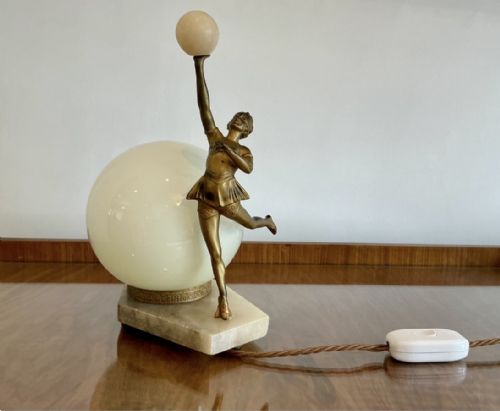
These sculptural bronze figure pieces bring functional utility and distinct form together, spanning styles from French Neoclassical to Art Deco.
Sculptural Bronze Figure
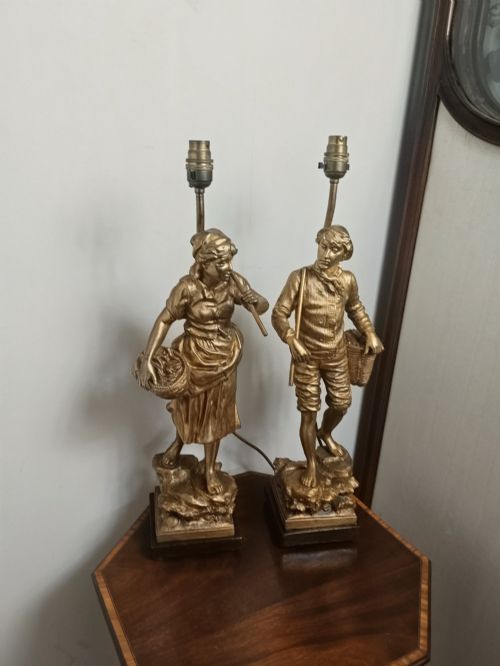
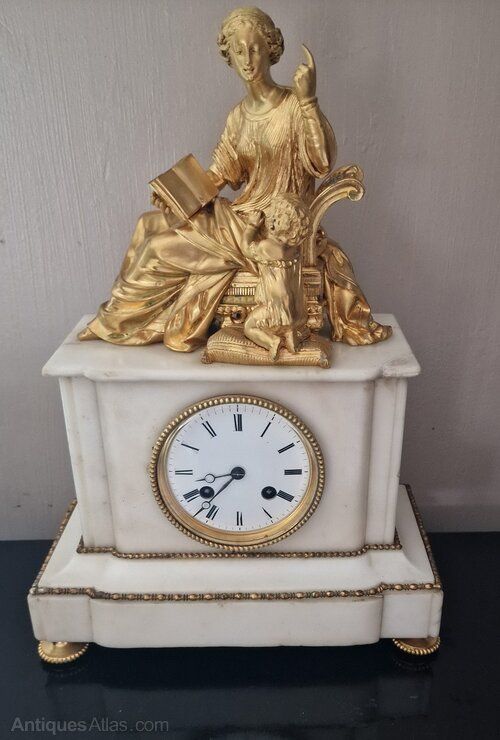
A sculptural bronze figure search uncovers a diverse array of decorative objects, primarily table lamps, mantel clocks, candlesticks, vases, fire dogs, and floor lamps. These items integrate cast metal figures directly into functional domestic objects, often combining metalwork with marble bases or gilt accents.
The pieces appearing on this page span the nineteenth century into the 1930s, encompassing Art Nouveau, Art Deco, Renaissance Revival, and Victorian styles. Buyers will frequently encounter figural lamps and clocks originating from French and Italian workshops.
Makers such as E Rousseau, L & F Moreau, Berger Paris, Lemerle Charpentier, Coutan, and P Sega appear within the evidence, alongside works depicting mythological subjects like the Goddess Amphitrite.
How they were made
The primary materials recorded across these listings include bronze, marble, spelter, and brass, supplemented by enamel, fabric, glass, and gilt metal. Metal casting methods create the foundational figural elements, whether executed in solid bronze or alternative alloys like spelter.
Many of these sculptural objects incorporate contrasting natural stone, utilising marble for clock bodies and lamp bases to add stability and weight. Gilt metal and gilding techniques provide surface decoration, highlighting the contours of figures and decorative mounts.
Sculptural Bronze Figure Retail Price Guide 2026
Typical asking prices for sculptural bronze figure among the pieces listed under this phrase on Sellingantiques today, from the lower quarter to the upper quarter. They describe what is for sale here now, not the wider market.
Materials span bronze, marble, spelter, and brass, paired with glass, enamel, and fabric elements.
What varies in quality
The choice of secondary materials influences the overall standard, distinguishing solid bronze castings and genuine marble bases from lighter spelter alternatives and gilt metal finishes. Signed works attributed to known makers or foundries generally reflect a higher degree of workshop execution.
E Rousseau·L & F Moreau·Lemerle Charpentier·P Sega
The Sculptural Bronze Figure Glossary
- Spelter
- A zinc-based alloy commonly used as a cost-effective substitute for bronze in nineteenth-century figural castings.
- Gilt metal
- Metal that has been coated with a thin layer of gold or gold-coloured finish to simulate solid gold or Ormolu.
- Torchere
- A tall ornamental stand or floor lamp designed to hold a light source.
- Fire dogs
- Andirons used to support logs in an open fireplace, frequently cast in decorative figural designs.
- Mantel clock
- A household clock designed to sit on the shelf of a fireplace mantel, often housed in a decorative marble and bronze case.
Sculptural Bronze Figure: Frequently Asked Questions
What is a sculptural bronze figure lamp?
A sculptural bronze figure lamp integrates a cast metal personification or decorative subject directly into the body or stem of a lighting fixture. These pieces combine illumination with nineteenth-century or Art Deco artistic metalwork.
They function as both desk or table lamps and decorative art objects, frequently mounted on marble bases.
How do I identify Art Nouveau pieces?
Art Nouveau works typically feature flowing, organic lines inspired by natural forms, often depicting stylised female figures with long hair and floral motifs. These designs emerged strongly around the turn of the twentieth century.
Look for sinuous curves in the metal casting and characteristic lighting or clock mounts from that period.
Are these items made of solid bronze?
Not all figural pieces on this page are cast in solid bronze, as the listings include items made from spelter, brass, and gilt metal alongside bronze. Spelter is a softer zinc alloy commonly utilised for nineteenth-century decorative items and candlesticks.
Examining the weight, magnetic properties, and surface finish helps distinguish bronze from alternative metal alloys.
Where were these clocks and lamps made?
Many of the recorded workshops and makers, such as Berger and Lemerle Charpentier, operated in Paris during the nineteenth century. French design heavily influences the mantel clocks and figural torchere pieces found here.
Other items reflect Italian styles, including Renaissance Revival fire dogs and classical mythological subjects.