




Scottish Silver Silverware
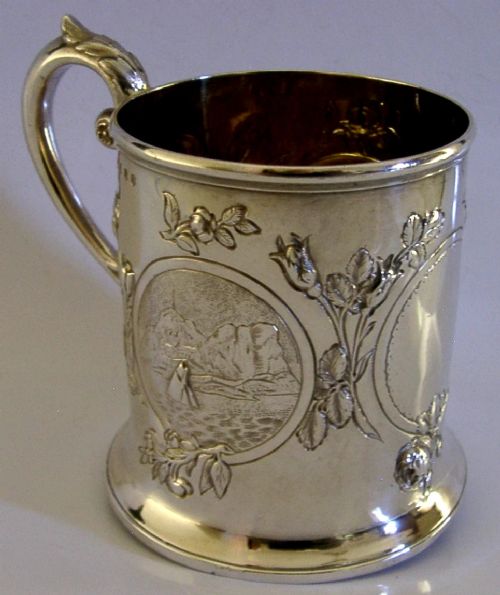
These scottish silver silverware pieces span Georgian, Victorian, 18th Century and Regency periods, offering functional vessels and cutlery crafted from sterling silver and horn.
Scottish Silver Silverware
When searching for scottish silver silverware, buyers examine drinking vessels, cutlery, and tableware originating from periods such as the Georgian and Victorian eras. The selection includes items ranging from tankards and bullet teapots to quaichs and toddy ladles.
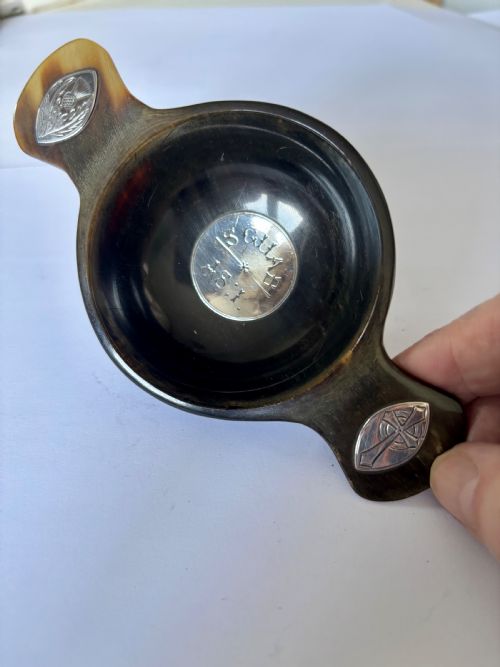
You are most likely to encounter serving spoons, basting spoons, and toddy ladles alongside traditional drinking vessels mounted with natural horn or whalebone. These functional items reflect the distinct domestic and social habits of Scottish households across the eighteenth and nineteenth centuries.
The objects combine precious metalwork with organic materials like wood, horn, and gilt highlights. Form and utility remain central to the pieces found across these historical periods.
How they were made
Makers shaped solid sterling silver into substantial tankards, teapots, and spoons using traditional smithing techniques. Gilt elements often highlighted specific interior or decorative areas of the metalwork.
Organic materials such as natural horn and whalebone were integrated into drinking vessels and quaichs, requiring careful mounting and joining to metal bases. Wood also appeared as a contrasting structural or handle component in specific serving forms.
Scottish Silver Silverware Retail Price Guide 2026
Typical asking prices for scottish silver silverware among the pieces listed under this phrase on Sellingantiques today, from the lower quarter to the upper quarter. They describe what is for sale here now, not the wider market.
What varies in quality
Quality differentiates through the precision of the silversmith's hammer work and the crispness of engraved crests or decorative detailing. Weight and gauge of the sterling silver also distinguish everyday utensils from more substantial presentation pieces.
The integration of organic elements like natural horn or whalebone demonstrates superior craftsmanship when the joinery remains seamless and secure. Regional provincial output often displays unique local stylistic choices that elevate the character of the object.
John McDonald·Mackay & Chisholm·Alexander Henderson
The Scottish Silver Silverware Glossary
- Quaich
- A traditional Scottish two-handled drinking vessel used for spirits. These items often feature staved wooden construction or solid silver and horn bodies.
- Toddy Ladle
- A small spoon with a long handle designed for mixing whisky and hot water. They frequently incorporate twisted whalebone or wooden handles.
- Bullet Teapot
- A spherical teapot popular during the Georgian period. This form sits on a low foot and showcases smooth silver surfaces.
- Basting Spoon
- A large spoon utilised in food preparation and serving. Scottish examples from the eighteenth century display robust proportions and provincial marks.
- Provincial
- Describing items made outside major urban assay offices like Edinburgh. These pieces carry regional marks reflecting local maker guilds.
Scottish Silver Silverware: Frequently Asked Questions
What is a quaich used for?
A quaich is a traditional Scottish drinking vessel used for sharing a dram of whisky or welcoming guests.
Its two handles allow it to be passed securely between people during gatherings.
How do you use a toddy ladle?
A toddy ladle is designed to stir whisky, hot water, sugar, and spices together in a punch bowl or glass.
The long handle keeps fingers safely away from hot liquid.
What periods do these pieces date from?
The pieces span the eighteenth and nineteenth centuries, encompassing Georgian, Regency, and Victorian eras.
Each period brings distinct stylistic nuances to the silver and horn forms.
What materials are combined with the silver?
Makers frequently combined sterling silver with natural horn, whalebone, wood, and gilt.
These organic additions provided contrasting textures for handles and drinking bowls.