



Scottish Silver Cup
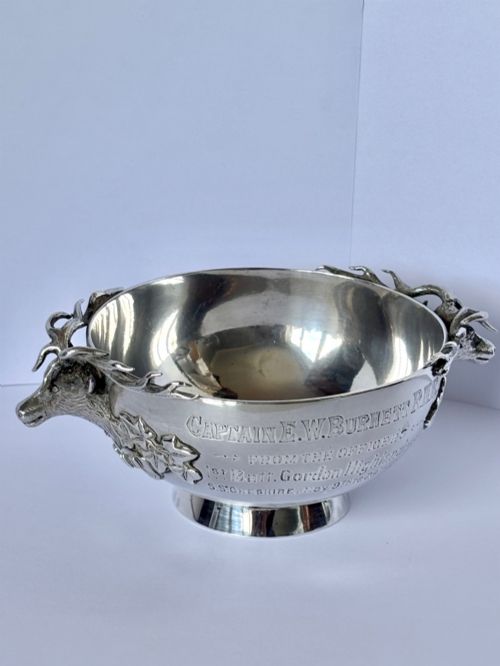
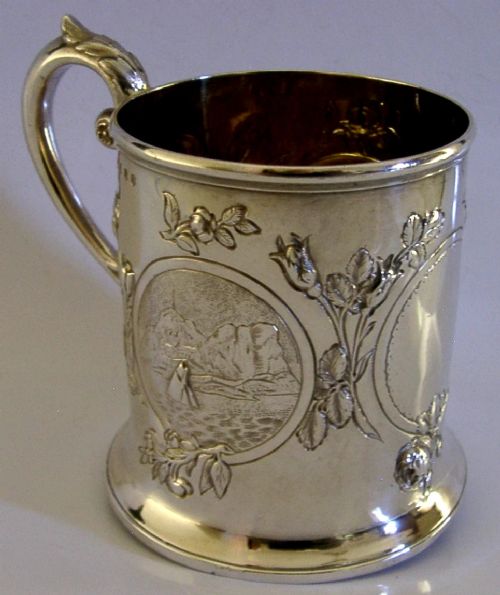
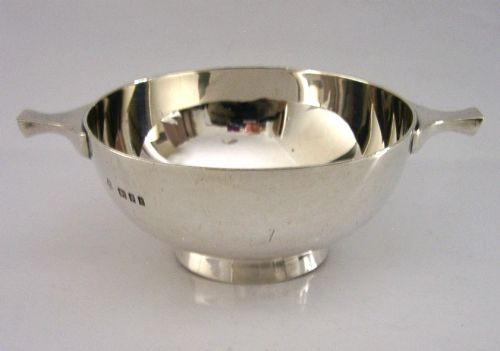
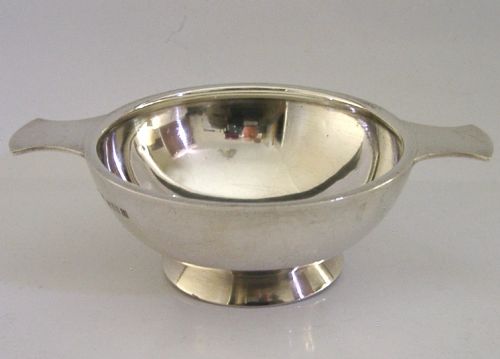
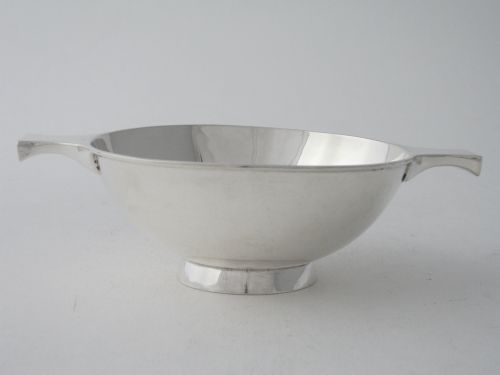
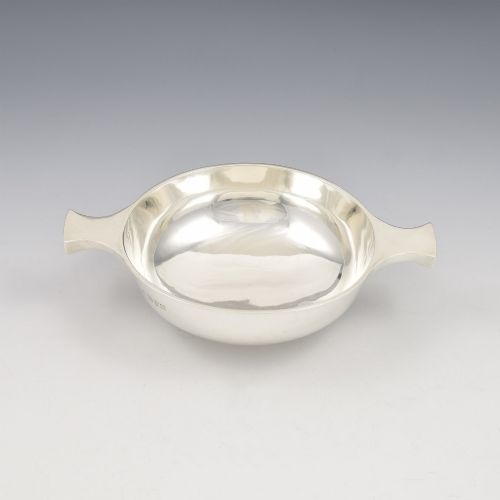
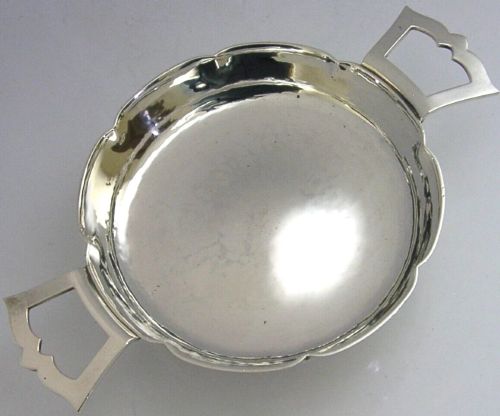
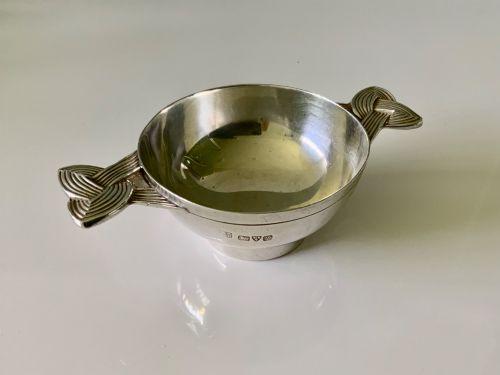
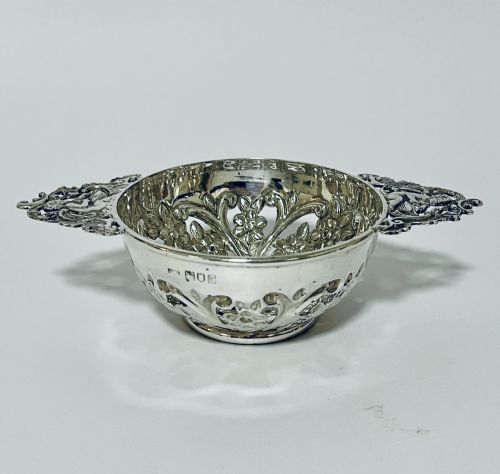
These scottish silver cup examples are traditional drinking vessels, most often seen as twin-handled quaichs crafted for ceremonial toasts.
Scottish Silver Cup
When you search for a scottish silver cup, you encounter forms rooted in Highland tradition, dominated heavily by the quaich with its twin projecting lugs. These drinking vessels appear across the Victorian, Edwardian, and mid-twentieth-century periods, often linked to whiskey drinking or presentation pieces.
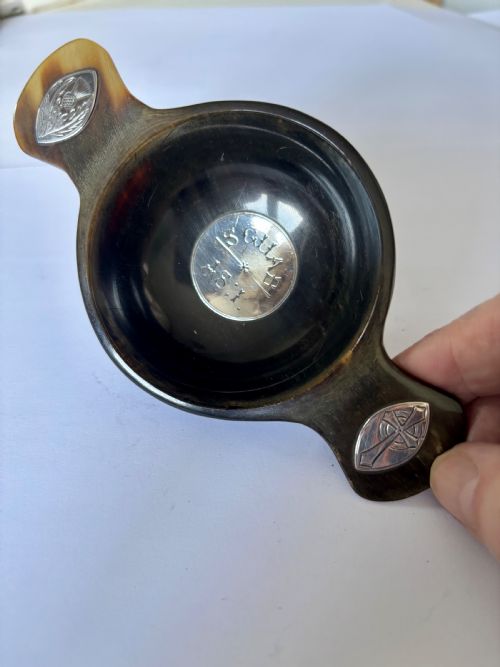
Beyond the standard quaich bowl, the category encompasses communion goblets, novelty barrel shapes, and horn beakers with sterling silver mounts. Makers span the late nineteenth century through to the nineteen-fifties, utilising traditional regional motifs and Celtic Revival styling.
The regional character remains distinct, whether through Edinburgh or Glasgow assay offices, or through specific vernacular materials like natural horn combined with polished metal. Most survivors date from the nineteenth and twentieth centuries, reflecting enduring domestic and ceremonial uses.
Assessing quality in silver drinking vessels
Quality rests in the crispness of the hand-hammered planishing and the balanced symmetry of the twin lugs projecting from the bowl. Superior examples show careful gauge thickness in the metal, ensuring the vessel has a substantial weight in the hand.
The integration of mixed materials, such as polished horn fitted neatly to silver mounts, separates standard production from finer artisan work. Maker attribution and clear hallmarks further distinguish notable pieces from unmarked or plated alternatives.
Scottish Silver Cup Retail Price Guide 2026
Typical asking prices for scottish silver cup among the pieces listed under this phrase on Sellingantiques today, from the lower quarter to the upper quarter. They describe what is for sale here now, not the wider market.
Victorian silversmiths occasionally fashioned drinking vessels in the shape of miniature wooden beer barrels for novelty toasts.
Nathan and Hayes·Mackay and Chisholm·Patrick Robertson·T E Wilson·R E Stone
The Scottish Silver Cup Glossary
- Quaich
- A traditional Scottish two-handled drinking vessel used for whisky. It evolved from wooden drinking bowls into sophisticated silver presentation pieces.
- Planished
- A metalworking surface texture created by light hammer blows. This technique leaves small, controlled facets that catch the light.
- Lug
- A projecting handle attached to the rim of a quaich. Most traditional examples feature two opposing handles for lifting.
- Tudric
- A trade name used by Liberty for pewter wares. These items often embrace Arts and Crafts design principles.
- Assay
- The testing of precious metal purity by an official office. Hallmark stamps record this testing alongside the date and maker.
Scottish Silver Cup: Frequently Asked Questions
What is a scottish silver cup quaich?
A quaich is a shallow two-handled drinking vessel originating in the Scottish Highlands. It was traditionally used for offering a welcoming sip of whisky to guests.
Over time, silversmiths adopted the form for presentation pieces, christening gifts, and club trophies, maintaining the characteristic twin lugs.
How are periods told apart?
Makers marked their work with official assay office stamps, date letters, and maker's ciphers. Comparing these hallmarks against known registers reveals the exact year of production.
Stylistic cues also help, as Victorian pieces often display heavy thistle engraving while Arts and Crafts examples favour plain planished surfaces.
What materials besides silver were used?
Natural Highland horn frequently forms the body of these drinking vessels, reinforced with sterling silver rims and shields. Pewter, copper, and silver plate also appear in vernacular pieces and Arts and Crafts productions.
Internal gold wash, known as vermeil, is sometimes found inside silver bowls to protect the metal from acidic liquids.
How should these cups be displayed?
Most quaichs and goblets rest stably on a flat foot ring or broad base, making them suitable for open cabinet display. Their shallow bowls allow the interior hallmarks and planished textures to remain visible to viewers.
Handling them requires care only to avoid abrasive cleaning agents that might wear down historic hallmarks or hand-hammered details.