

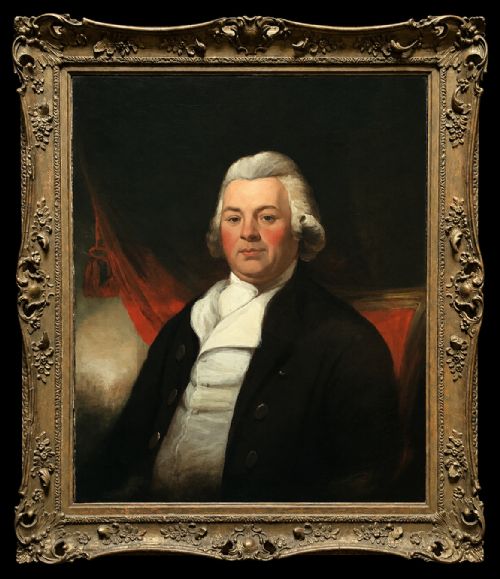


Scottish Regency Portrait
A Scottish regency portrait captures the likeness of northern society through oil on canvas or delicate miniature, offering a direct window into the era.
Scottish Regency Portrait
When you search for a scottish regency portrait, you encounter works spanning the Georgian, Regency, and nineteenth-century periods. The offerings range from large oil paintings on canvas to small portrait miniatures framed in wood or ebonised wood.
Most examples present sitters from Scottish life, often attributed to notable portraitists or associated with regional schools. These pieces appear in oil paintings, portrait miniatures, and painted silhouettes.
The assortment includes works from the eighteenth century up to around nineteen hundred, reflecting shifting tastes in framing and scale. Collectors encounter both grand oil portraits and intimate cabinet-sized watercolours.
How They Were Made
Artists painted primarily in oil on canvas or oil on board, building rich layers of pigment to capture fabric textures and facial expressions. Miniature painters worked on paper or delicate surfaces, housed behind glass within protective frames.
Frames utilise wood, ebonised wood, and gold leaf or giltwood to complement the artwork. These surrounds often feature Hogarth mouldings or traditional joinery suited to the period of creation.
Scottish Regency Portrait Retail Price Guide 2026
Typical asking prices for scottish regency portrait among the pieces listed under this phrase on Sellingantiques today, from the lower quarter to the upper quarter. They describe what is for sale here now, not the wider market.
Materials recorded across the archive include ebonised wood, gold leaf, and glass alongside traditional oil and canvas.
What Varies in Quality
Quality rests upon the confidence of the brushwork and the psychological depth of the sitter's representation. Stronger pieces display precise anatomical drawing and subtle handling of light across the face.
James Howe·George Watson·John Smith of Edinburgh·John Phillip·Sir Henry Raeburn·John Watson Gordon
The Scottish Regency Portrait Glossary
- Regency
- A style period spanning the early nineteenth century defined by classical restraint and refined portraiture. It follows the Georgian era and precedes Victorian tastes.
- Portrait Miniature
- A small-scale painting executed with high detail on paper, card, or ivory. These portable likenesses were frequently kept in private chambers or worn.
- Silhouette
- A portrait profile filled in with a solid dark colour, often painted on paper. Artists like John Smith specialised in these sharp shadow likenesses.
- Ebonised Wood
- Timber treated to resemble expensive ebony through staining or painting. This dark finish appears frequently on nineteenth-century picture frames.
Scottish Regency Portrait: Frequently Asked Questions
How do I identify a Regency portrait?
Look for the characteristic clothing, hair styling, and framing typical of the early nineteenth century. Sitters often wear high-waisted dresses or tailored tailcoats associated with the Regency period.
Compare the handling of paint and canvas types with dated examples from the same decades. Attributions or signatures on the reverse can also provide vital clues.
Where were these portraits displayed?
These works hung primarily in the drawing rooms, libraries, and galleries of Scottish country houses and town residences. Large oil paintings commanded central wall space above mantelpieces.
Miniatures served a more intimate purpose, kept on desks, carried in pockets, or displayed in private rooms among family members.
How should I care for an oil painting?
Keep the artwork away from direct sunlight and fluctuating humidity to protect the canvas and pigments. Dust the surface gently with a soft, dry brush without applying pressure.
Avoid hanging pieces near active heat sources which can cause the wood frame and canvas to warp. Consult a professional conservator for cleaning the paint surface.
How do I live with antique frames?
Antique frames made of giltwood or ebonised wood require stable indoor environments to prevent the gesso and finish from cracking. Handle the frame by its outer edges rather than decorative mouldings when moving the piece.
Accept minor signs of age on the wood as part of the object's history and character.