



Scottish Occasional Table
A Scottish occasional table brings regional craftsmanship and rich timber into a room, offering practical surface space with distinct character.
Scottish Occasional Table
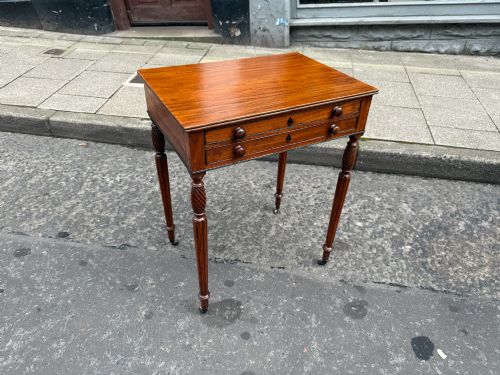
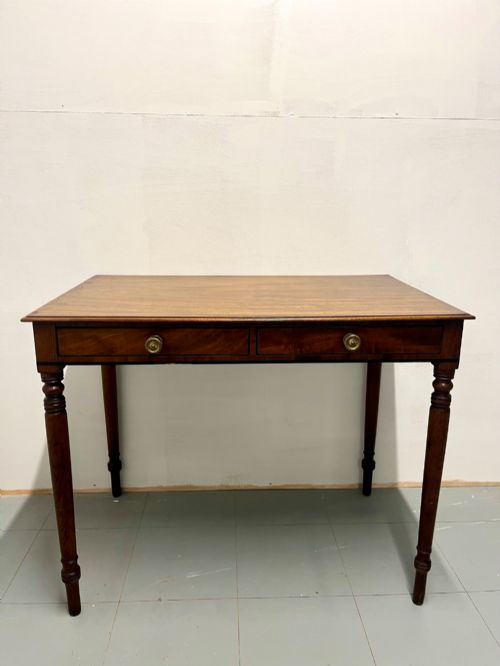
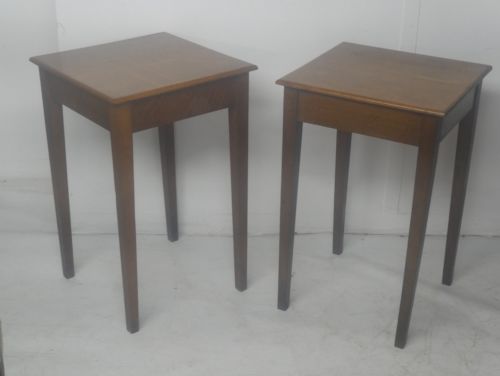
A Scottish occasional table encompasses a varied group of small tables designed for flexible placement around a room, emerging across periods from the Georgian era through to the early twentieth century. These pieces serve diverse functions, appearing in forms such as drop-leaf tables, sofa tables, tilt-top drinking tables, and pedestal wine tables.
The selection on this page leans heavily toward the Regency and Victorian periods, alongside Edwardian and 1900 examples, reflecting both formal drawing-room elegance and sturdier country house utility. Woods such as mahogany, oak, and rosewood dominate the forms, frequently enhanced by satinwood and intricate crossbanding.
How they were made
Cabinet makers utilised dense native and imported timbers, pairing sturdy oak and rich mahogany with decorative veneers of rosewood and satinwood. Crossbanding and inlaid wood further defined the decorative language of the finer pieces.
Structural elements often incorporated brass fittings and textile or velvet components, particularly in specialised forms like ladies' work tables and gypsy tables. Construction methods ranged from pedestal supports to drop-leaf mechanisms and tilt-top actions designed for versatility.
Scottish Occasional Table Retail Price Guide 2026
Typical asking prices for scottish occasional table among the pieces listed under this phrase on Sellingantiques today, from the lower quarter to the upper quarter. They describe what is for sale here now, not the wider market.
Materials appearing across these tables include mahogany, oak, rosewood, satinwood, brass, and velvet.
What varies in quality
The distinction between standard utility items and exceptional examples lies in the selection of timber and the precision of decorative details such as crossbanding and inlay. Finer pieces demonstrate superior joinery and thoughtful proportions that elevate a simple side table into a refined focal point.
Attribution to documented workshops or makers introduces another layer of distinction, shifting pieces from anonymous country workshop productions to identifiable regional craftsmanship of the nineteenth century.
James Mein of Kelso·John Taylor Edinburgh·Whytock & Reid of Edinburgh·William Trotter
The Scottish Occasional Table Glossary
- Crossbanding
- A border of veneer laid around the edge of a table top with the grain running perpendicular to the central panel. This technique frames the primary timber and demonstrates detailed cabinet work.
- Drop-leaf table
- A table featuring hinged flaps on either side that can be raised to extend the surface area or lowered when space is constrained. These versatile forms appear frequently in mahogany and other dense hardwoods.
- Tilt-top table
- A table designed with a mechanism allowing the top to pivot vertically when not in use, enabling compact storage against a wall. This practical feature is commonly found on smaller wine and drinking tables.
- Gypsy table
- A lightweight occasional table, often draped with a textile or velvet cover, popular during the Victorian period. These tables frequently utilised softer woods like oak or turned supports.
- Sofa table
- A rectangular occasional table traditionally designed to stand in front of a sofa, typically featuring drop leaves and pedestal or end-frame supports. They often incorporate rosewood or satinwood veneers.
Scottish Occasional Table: Frequently Asked Questions
What defines a Scottish occasional table?
These tables are smaller freestanding furniture pieces made in Scotland across various historical periods, serving functions ranging from serving drinks to holding lamps or needlework.
They reflect regional cabinet-making traditions, utilising native timbers like oak alongside imported hardwoods such as mahogany and rosewood.
Where were these tables used originally?
They were utilised primarily in drawing rooms, parlours, and country house living spaces where flexible surface area was required for daily activities.
Specific forms like wine tables and work tables served specialised domestic tasks within these refined interiors.
How do I care for antique wood surfaces?
Maintain the timber by keeping the table away from direct heat sources and strong sunlight, which can dry out rosewood and mahogany veneers.
Apply occasional appropriate wax polish and avoid placing unprotected damp items directly on the polished surface.
How can I tell the period of a table?
Dating relies on observing the prevailing wood choices, such as satinwood and rosewood in Regency pieces compared to heavier oak in country Victorian examples.
Construction techniques, leg styles, and decorative details like crossbanding also point directly to specific design eras.