



Scottish Coastal Painting
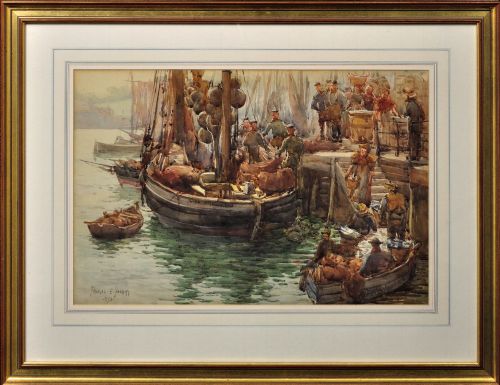
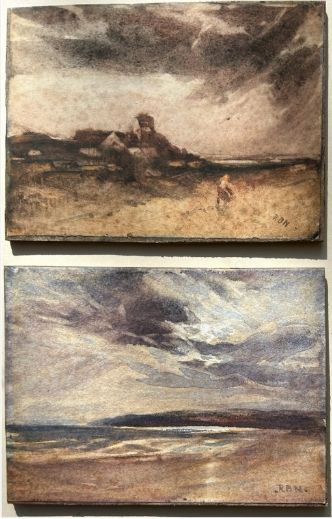
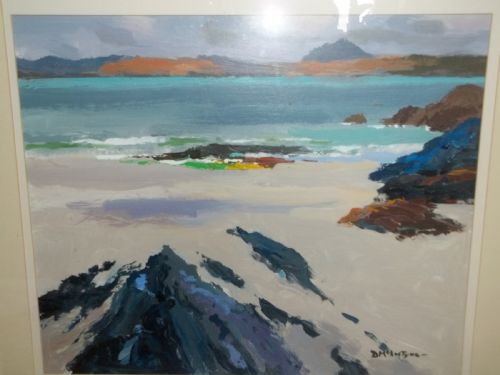
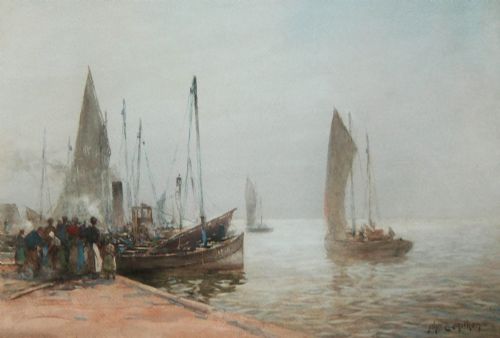
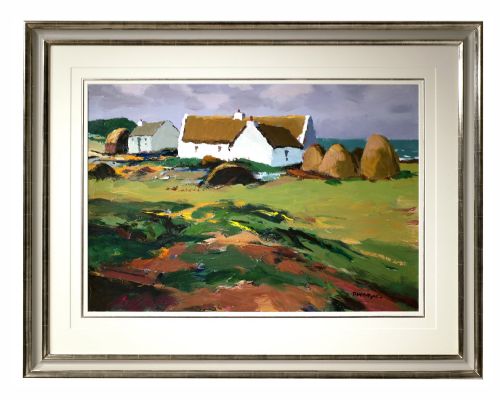
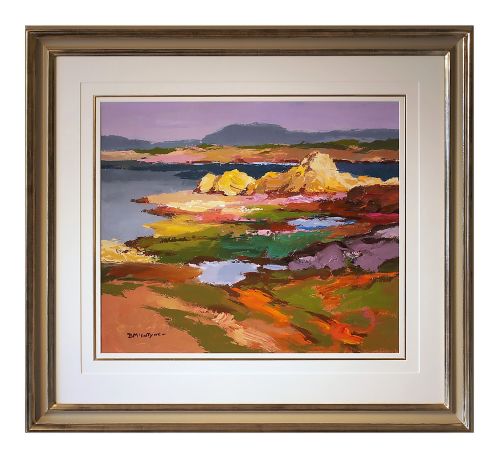
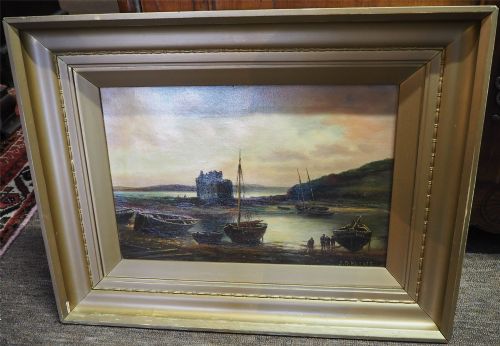
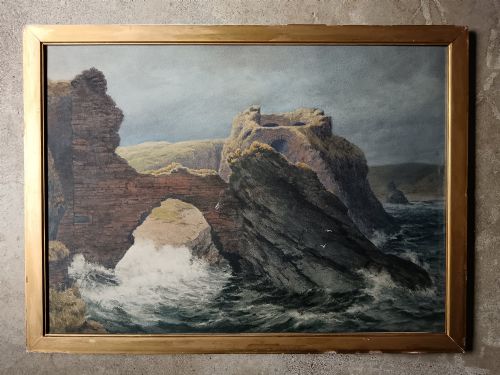
These scottish coastal painting examples capture shorelines, fishing ports and estuaries across the nineteenth and twentieth centuries.
Scottish Coastal Painting
A scottish coastal painting records harbours, fishing boats and rugged shorelines from viewpoints across the country, spanning the Victorian era through to the mid twentieth century. Buyers seeking a scottish coastal painting often find watercolours and oil paintings depicting named locations such as Fife, Dunbar Castle and the Hebrides.
The works range from detailed nineteenth century watercolours on paper to bolder twentieth century oil paintings on canvas and board. Many pieces carry signatures or attributions to artists associated with the Scottish School and British Impressionism.
Materials and methods
Artists painted these coastal scenes using oil paint or watercolour applied to canvas, wood panels, paper and board. Oil paints provide depth and texture for stormy seas and evening skies, whilst watercolour allows for lighter washes across harbour views and coastal landscapes.
Many surviving works retain their period gilt wood frames, which complement the traditional palettes of the nineteenth and twentieth centuries. Support materials vary from woven canvas stretched over wooden frames to thick artist paper and wooden boards.
Scottish Coastal Painting Retail Price Guide 2026
Typical asking prices for scottish coastal painting among the pieces listed under this phrase on Sellingantiques today, from the lower quarter to the upper quarter. They describe what is for sale here now, not the wider market.
Several artists braved bitter coastal gales simply to record fishermen hauling their daily catch along the Scottish shore.
Assessing quality
Quality rests upon the artist's handling of light, atmosphere and perspective in capturing coastal weather and movement. Stronger examples demonstrate confident brushwork or precise watercolour technique that brings immediacy to the shoreline or fishing boats.
Condition of the medium and the presence of original framing contribute significantly to a piece's standing. Works that retain vibrant pigments without excessive fading or surface damage command greater attention.
James E. Aitken·Donald McIntyre·Joseph Farquharson·John Moxon·Robert Buchan Nisbet·John Douglas Perrett·John Mitchell·Alfred Henry Vickers·Sir David Murray·Sam Bough·James Torrington Bell·Owen Bowen·Hirst Walker·Robert Macaulay Stevenson·James Kinnear·John Mc Ghie·Alastair Flatterly·James G. Faulds·George Aikman·Patrick Nasmyth·Stanley Montague·John Kidd Maxton·John Hamilton Glass
The Scottish Coastal Painting Glossary
- Watercolour
- A paint consisting of pigment suspended in a water-based solution, typically applied to paper. It creates translucent washes of colour well suited to atmospheric coastal light.
- Canvas
- A heavy woven fabric used as a surface for oil paintings. It is typically stretched over a wooden frame before painting.
- Gilt wood
- Wood decorated with a thin layer of gold leaf or metallic gilt paint. This finish frequently appears on period frames enclosing nineteenth and twentieth century works.
- Post-Impressionism
- An art movement extending Impressionist techniques while developing a greater emphasis on symbolic content and distinct brushwork. It influences several twentieth century coastal works in this field.
Scottish Coastal Painting: Frequently Asked Questions
How do I date a scottish coastal painting?
Dating relies upon artist lifespan records, clothing styles of figures in the scene, and framing materials. Signatures and gallery inscriptions on the reverse often provide specific years.
Techniques and material supports also shift from nineteenth century watercolours on paper to mid twentieth century oils on board.
Where were these coastal scenes usually painted?
Artists worked along active fishing ports, estuaries and remote shorelines throughout Scotland. Popular locations include Fife, the Hebrides, the Solway Firth and the Firth of Forth.
Local harbours and fishing communities provided daily subjects for both Victorian and twentieth century painters.
How should I frame and display these watercolours?
Watercolours require conservation framing behind glass to protect the paper and pigments from ultraviolet light and moisture. Acid-free mounts prevent discolouration over time.
Display them away from direct sunlight and damp environments to preserve the integrity of the paper and painted surface.
What is the difference between oil and watercolour versions?
Oil paintings utilise pigments bound in drying oils applied to canvas or wood panels, offering thick textures and rich colour blending. Watercolours use water-soluble mediums on paper, resulting in lighter, translucent compositions.
Both mediums captured coastal weather, but oils generally present a heavier surface texture than works on paper.