





Scandinavian Painted Chair
A scandinavian painted chair brings tactile colour and rustic character to a room, offering historic pine and birch forms finished in original or aged pigments.
Scandinavian Painted Chair
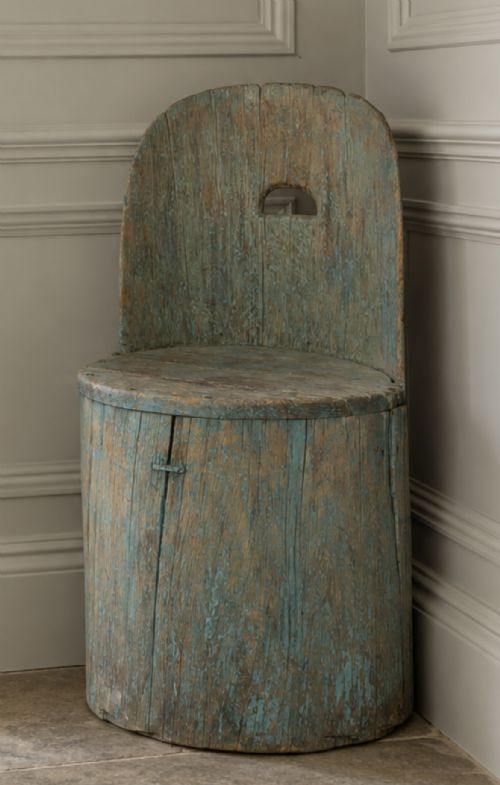
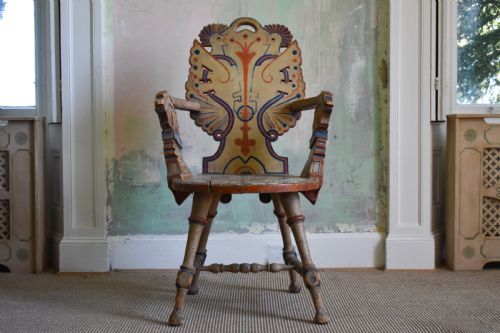
You are most likely to meet nineteenth-century pine and birch examples finished in folk art styles, Gustavian designs, or regional country aesthetics. These pieces reflect distinct Scandinavian traditions, ranging from sculptural Edwardian seating by Anton Rosen to rustic dug-out chairs and bobbin-turned thrones.
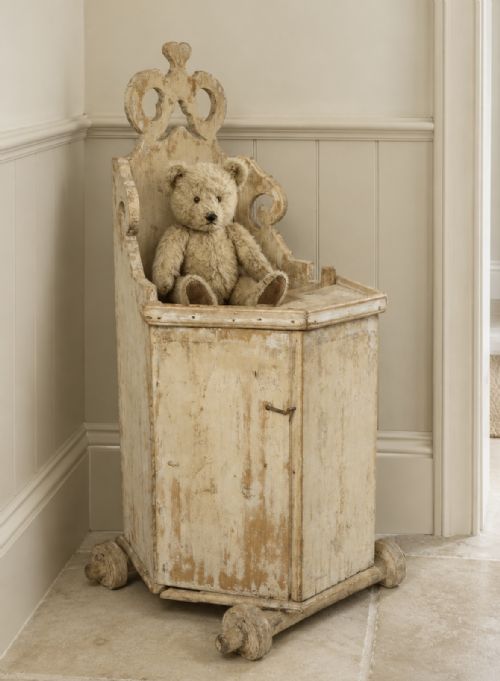
The assortment spans formal dining chairs built in sets alongside solitary children's highchairs and sculptural armchairs. Each piece demonstrates the enduring appeal of Nordic painted woodwork, shaped by local joinery methods and generational craftsmanship.
How they were made
Local artisans constructed these chairs primarily using native softwoods and hardwoods such as pine and birch, sometimes combining woods within a single frame. Carpenters utilised traditional joinery techniques, turning spindles on lathes and hollowing out solid timber blocks for dug-out seating.
Surfaces were prepared and finished with layers of paint, often applied in historic or original pigments that have acquired a distinct patina over time. Iron fittings occasionally reinforced structural joints, whilst occasional examples incorporate fabric upholstery atop wooden bases.
Scandinavian Painted Chair Retail Price Guide 2026
Typical asking prices for scandinavian painted chair among the pieces listed under this phrase on Sellingantiques today, from the lower quarter to the upper quarter. They describe what is for sale here now, not the wider market.
Listings feature pine, birch, and iron materials shaped into dining sets, rocking chairs, and child highchairs across nineteenth-century and Edwardian periods.
What varies in quality
Quality in a scandinavian painted chair rests upon the integrity of the original construction and the preservation of its surface finish. Pieces retaining their authentic historic paint layers command greater interest than those stripped or heavily recoated during later restorations.
The sophistication of the turning work, the balance of proportions in regional folk art pieces, and the presence of documented design attribution separate standard vernacular seating from exceptional sculptural examples.
Anton Rosen
The Scandinavian Painted Chair Glossary
- Gustavian Style
- A Swedish interpretation of neoclassical design characterised by restrained ornamentation and lighter colour palettes. It emerged during the reign of King Gustav III in the late eighteenth century and persisted through later revivals.
- Bobbin Turning
- A method of woodturning that produces a series of rounded, spool-like shapes along the length of a chair leg or spindle. This decorative technique appears frequently on nineteenth-century country seating.
- Folk Art
- Artistic expression created within a traditional community culture rather than academic or high-style workshops. In Scandinavian seating, this manifests in vernacular forms and hand-painted decorative motifs.
- Dug Out Chair
- A primitive seating form carved entirely from a single solid log or trunk. This ancient method yields robust, monolithic chairs typical of rural domestic interiors.
Scandinavian Painted Chair: Frequently Asked Questions
What defines a gustavian dining chair?
Gustavian dining chairs draw upon Swedish neoclassical design principles, favouring balanced proportions and restrained decorative carving over heavy ornamentation. They typically reflect lighter aesthetic influences adapted from French court styles.
These chairs often appear in sets and feature tapered legs, fluted details, and pale painted finishes suited to Nordic interiors.
How do I identify original paint?
Original paint surfaces show natural wear patterns, historic craquelure, and subtle variations in tone built up over generations of use and cleaning. Inspecting edges and recessed areas reveals underlying layers consistent with the age of the wood.
Subsequent repainting often presents a uniform texture and lacks the integrated patina found on untouched nineteenth-century and earlier pieces.
Where were these chairs used?
Scandinavian painted chairs served practical functions across domestic spaces, from farmhouses and country cottages to urban Nordic homes. Dining chairs gathered around communal tables, whilst rocking chairs and armchairs provided seating in living quarters.
Smaller forms, including child highchairs, accommodated younger family members within the traditional household.