





Scandinavian Modernist Silver
Scandinavian modernist silver brings together clean mid-century lines and sterling silver, offering striking necklaces, brooches and boxes for the discerning collector.
Scandinavian Modernist Silver
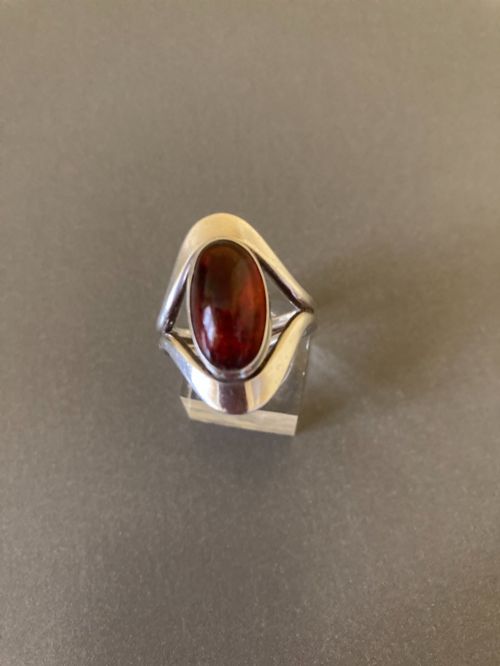
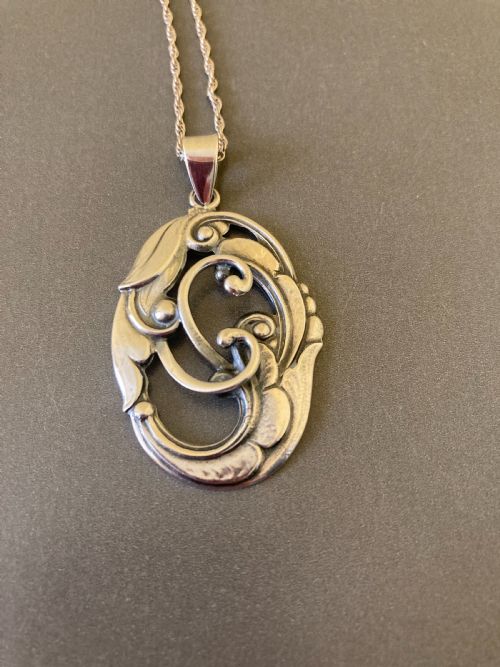
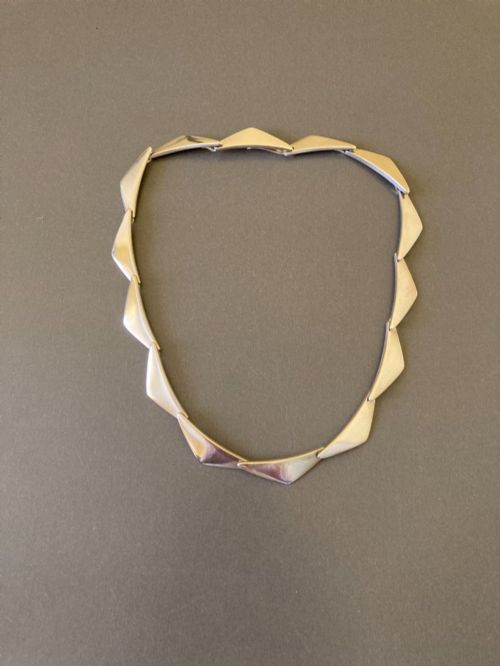
When you search for scandinavian modernist silver, you encounter wearable and decorative objects rooted in the mid-century modern, scandinavian modern and sknvirke styles. The pieces on this page span from the 1930s to later than 1960, reflecting a rich period of design innovation across the region.
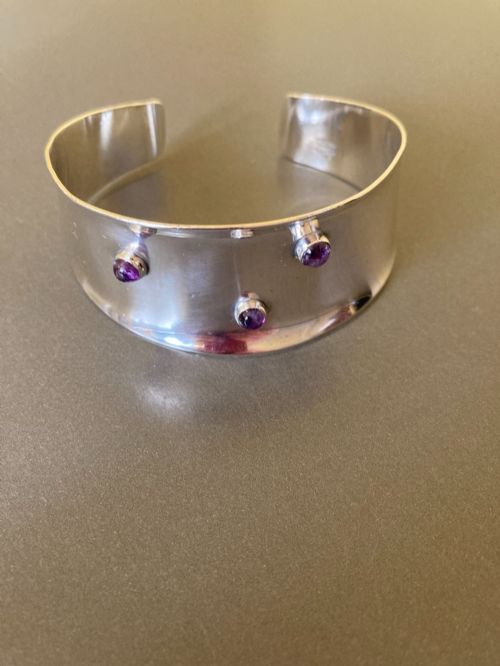
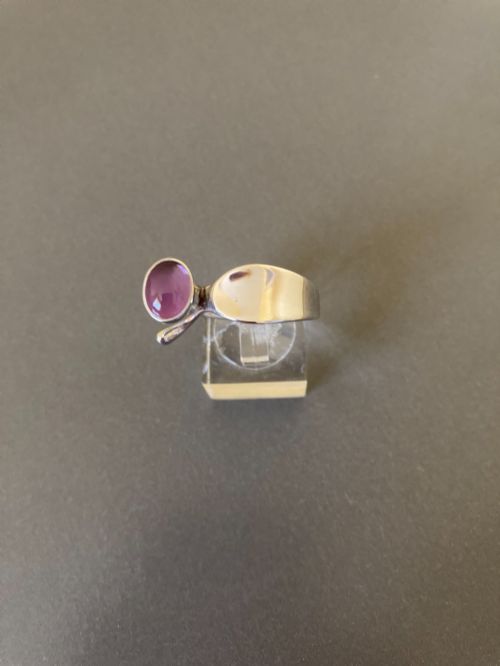
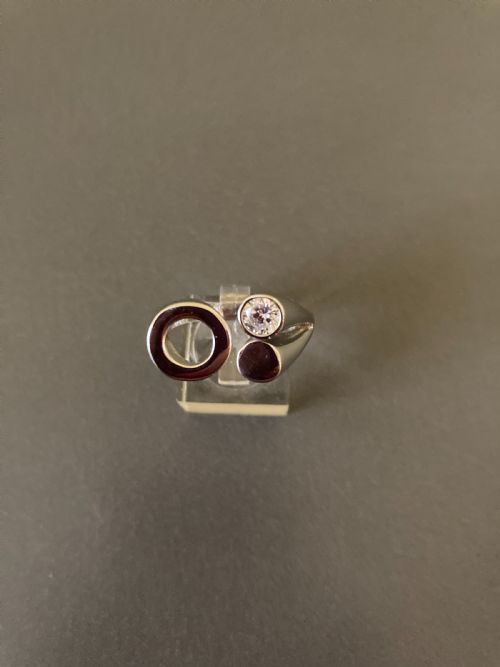
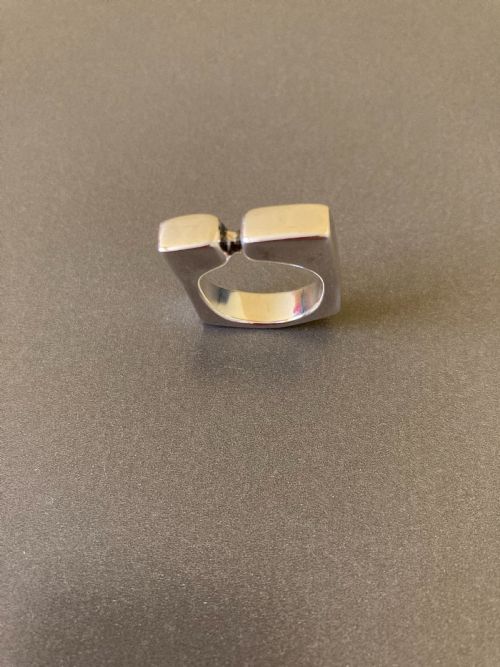
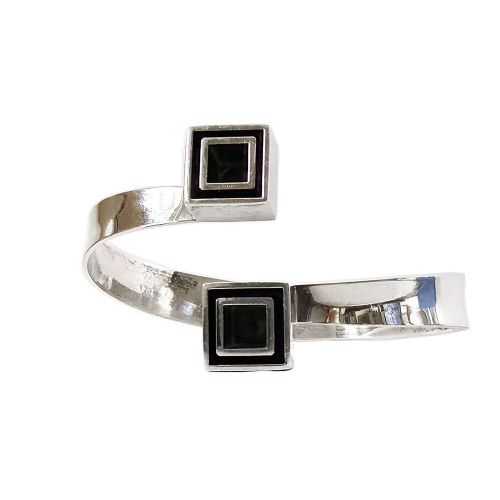
Necklaces, brooches and pendants form the backbone of these listings, often accompanied by rings, bracelets and decorative boxes. You are most likely to meet 1960s items, including works featuring vitreous enamel and distinctive geometric forms.
Originating predominantly from Denmark, Norway, Sweden and Finland, these items demonstrate a unified regional aesthetic that values both sculptural form and functional utility. Makers and designers from these countries shaped an international taste that continues to hold appeal.
How they were made
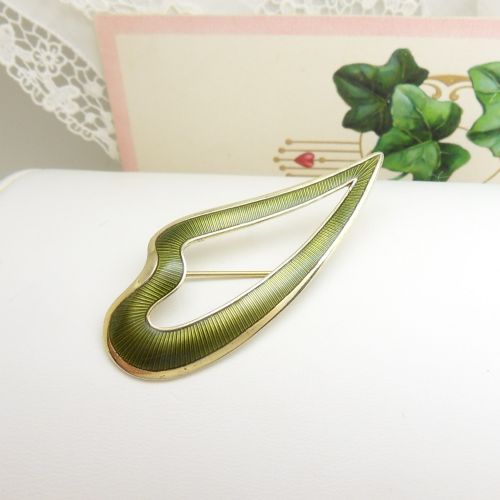
The makers of scandinavian modernist silver relied primarily on sterling silver, frequently pairing the metal with vibrant applications of enamel and vitreous enamel. Certain pieces receive an additional layer of gold gilt to enhance contrast and depth within the design.
Techniques range from smooth, polished metalwork to intricate kiln-fired enamelling in shades like red. Stones such as zirconia also appear in select rings, set securely within the silver framework to catch the light.
Scandinavian Modernist Silver Retail Price Guide 2026
Typical asking prices for scandinavian modernist silver among the pieces listed under this phrase on Sellingantiques today, from the lower quarter to the upper quarter. They describe what is for sale here now, not the wider market.
Some hidden hearts and peak shapes wait quietly in these boxes, proving mid-century minimalists harboured romantic streaks.
What varies in quality
Quality in these items rests upon the precision of the silversmithing and the integrity of any applied enamel work. Stronger pieces display crisp lines, secure stone settings and smooth enamel surfaces free from hairline fractures.
The reputation of the maker also influences distinction within the category, with signed works by known designers commanding greater attention. Furthermore, the weight and balance of a necklace, bangle or box indicate the care taken during its creation.
Aksel Holmsen·Georg Jensen·G. Hoppe·Sigvard Bernadotte·Randers Silver·Alton·David-Andersen
The Scandinavian Modernist Silver Glossary
- Sterling silver
- A silver alloy containing 92.5 percent pure silver and 7.5 percent other metals, usually copper, chosen for durability in jewellery and decorative objects.
- Vitreous enamel
- A material made by fusing powdered glass to a metallic substrate at high temperatures, creating a smooth, glossy coloured surface.
- Sknvirke
- The Scandinavian variant of Art Nouveau, encompassing craft and design traditions that preceded the mid-century modernist movement.
- Gold gilt
- A thin layer of gold applied to the surface of the silver to give the appearance of solid gold.
- Zirconia
- A synthetic crystalline gemstone utilised in rings and pendants for its brilliance and clarity.
Scandinavian Modernist Silver: Frequently Asked Questions
How do I date scandinavian modernist silver?
Dating relies on maker marks, assay office stamps and stylistic cues visible on the piece. Items often reflect the dominant design movements of their decade, ranging from 1930s Art Deco touches to 1960s minimalism.
Examining the clasp, chain type or enamel style also helps narrow down the manufacturing period.
What is sknvirke style?
Sknvirke represents the Scandinavian iteration of the Arts and Crafts and Art Nouveau movements. It focuses on organic motifs and traditional craft techniques.
This aesthetic laid the groundwork for the later mid-century modernist designs that emerged across the region.
How should I clean silver and enamel?
Clean sterling silver gently with a soft microfibre cloth to remove tarnish without scratching the metal. Avoid harsh chemical dips, particularly on enamelled pieces where liquids can damage the glass surface.
Store items separately in dry conditions to protect both the silver and any delicate stone settings.
Are these pieces signed?
Many items bear maker marks, designer signatures or country stamps on the reverse or underside. These marks verify the origin and help attribute the work to specific workshops.
Unsigned pieces still display regional characteristics, though signed works carry clearer documentation.