




Sabino Art Glass
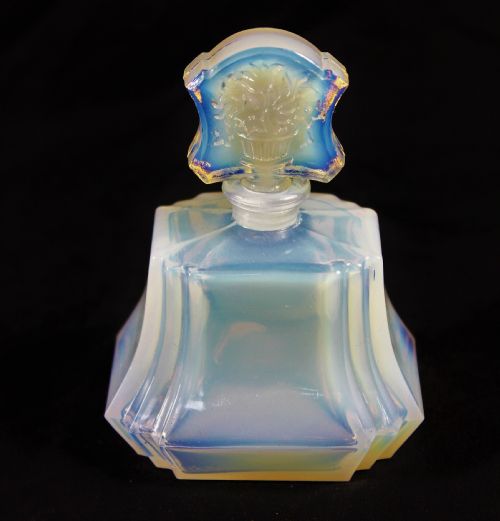
Sabino art glass brings distinctive Art Deco design to interiors through opalescent glass items made in France during 1930.
Sabino Art Glass
When someone searches for sabino art glass, they encounter pieces originating from France during the 1930 period, showcasing the defining aesthetic of Art Deco design. The selection centres heavily on perfume bottles, alongside sculptural figures, decorative dishes, chargers and platters.
Buyers most frequently meet opalescent perfume bottles upon this page, alongside larger decorative items such as the Caryatid figure and fish-themed chargers. These objects represent the characteristic output associated with the search phrase.
The items span both utilitarian vanity objects and ornamental sculptures, all united by their French provenance and manufacture in the 1930 style. Each form displays the specific material qualities characteristic of this producer.
How they were made
The pieces on this page utilise pressed glass techniques to achieve their sculptural forms, ranging from detailed figures to utilitarian bottles. This method allows for consistent replication of intricate Art Deco motifs across various decorative objects.
Makers employed opalescent glass and frosted glass to create the characteristic luminescent quality seen in these French items. The interplay of light across the textured surfaces defines the visual nature of the material.
Fish chargers swim alongside caryatid figures in this compact gathering of French glass.
What varies in quality
The distinction between tiers of the range lies in the crispness of the mould work and the subtlety of the opalescent effect within the glass. Finer examples display sharper definition in sculptural details such as figures and motifs.
The presence of a signature influences the character of a piece, distinguishing signed items from unmarked examples within the same category. Execution of the frosted finish also contributes to the visual depth of the object.
Marius Ernest Sabino
The Sabino Art Glass Glossary
- Opalescent Glass
- Glass that diffuses light and displays milky, iridescent tones that shift between blue and amber hues depending on illumination. This optical effect is a primary characteristic of the style.
- Frosted Glass
- Glass treated to achieve a textured, non-reflective surface that scatters light across sculptural details. This finish enhances the definition of pressed designs.
- Pressed Glass
- Glass formed by shaping molten material in a metal mould using a plunger, enabling intricate three-dimensional ornamentation. This technique produced the detailed figures and bottles found here.
- Art Deco
- A design style from the interwar period characterised by stylised motifs, symmetrical geometry and streamlined forms. The objects on this page reflect these aesthetic principles.
Sabino Art Glass: Frequently Asked Questions
What is sabino art glass?
Sabino art glass comprises decorative objects and perfume bottles produced in France during the 1930 period.
The items are characterised by their opalescent and frosted glass materials, executed in the Art Deco style.
How do I identify sabino pieces?
Identification relies on recognising the distinctive opalescent quality of the glass and the characteristic French Art Deco forms.
Many pieces also feature signatures or markings associated with the maker.
Were these perfume bottles used?
The perfume bottles served as both functional vanity items and decorative dressing table accessories during the 1930 period.
Their survival often depends on whether they retained their original stoppers and contents.
How should I display opalescent glass?
Placing these items near natural light sources allows the opalescent and frosted glass to catch and diffuse illumination effectively.
Careful positioning enhances the visual depth of the pressed glass designs.