




Rustics Country Decor
Rustics country decor brings together honest utilitarian objects and folk art from past centuries, offering a tangible connection to traditional rural life.
Rustics Country Decor
Rustics country decor comprises practical items, kitchenware, garden antiques, and wall art originating from eighteenth, nineteenth, and early twentieth-century domestic and agricultural settings. Buyers seek these pieces to introduce genuine character and historical texture into modern interiors.
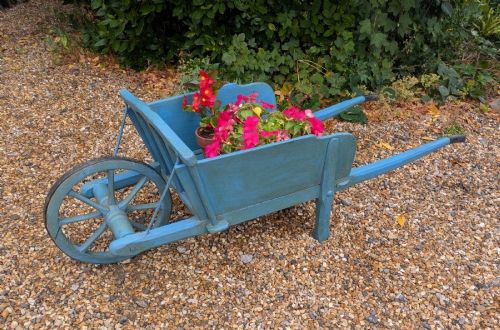
The selection on this page ranges from agricultural tools and dairy equipment to folk art paintings, carved wooden shop displays, and fireplace ornaments. Oak, pine, wrought iron, and canvas predominate across these functional and decorative forms.
Materials and Construction
Makers utilised solid timbers such as oak, beech, ash, and pine, shaping them with hand tools for everyday farm and household use. Iron and cast iron appear frequently in weather vanes, doorstops, and hardware, shaped by blacksmiths through forging and casting.
Surface treatments involve natural patination alongside early painted finishes, gilt frames, and stretched canvas for oil paintings. These traditional materials reflect the practical requirements and available resources of their respective periods.
Rustics Country Decor Retail Price Guide 2026
Typical asking prices for rustics country decor among the pieces listed under this phrase on Sellingantiques today, from the lower quarter to the upper quarter. They describe what is for sale here now, not the wider market.
Listings span the eighteenth, nineteenth, and early twentieth centuries, featuring wood, iron, canvas, and paint across various functional forms.
Assessing Quality
Quality depends upon the integrity of the material, the preservation of original surfaces, and the directness of the craftsmanship. Pieces retaining untouched patination and honest signs of period use stand apart from heavily restored examples.
In painted items and oil paintings, the skill of execution and the depth of composition distinguish superior examples. Simpler utilitarian objects derive their merit from well-balanced proportions and clear evidence of historical function.
The Rustics Country Decor Glossary
- Folk art
- Artistic work created by untrained or self-taught makers within a traditional community. These pieces focus on utilitarian or decorative objects imbued with personal and regional character.
- Patina
- The surface sheen and colour developed over decades of handling, exposure, and waxing. It serves as a key indicator of age and authenticity.
- Primitive
- A term describing objects or paintings with a simple, unpretentious aesthetic, often lacking formal academic refinement.
- Yoke
- A wooden beam designed to fit across a person's shoulders or between draft animals to carry heavy loads. Examples in this category include dairy maid and hay variants.
- Tramp art
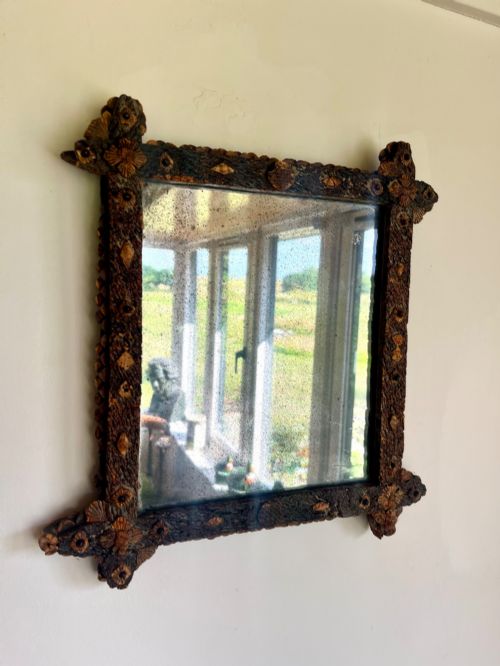
- A style of woodworking where small items are carved from salvaged materials, often utilising notch-carving techniques. Common forms include frames and mirrors.
Rustics Country Decor: Frequently Asked Questions
What is rustics country decor?
Rustics country decor encompasses genuine antique items originating from rural, agricultural, and domestic life. These pieces include utilitarian tools, folk art paintings, and wooden furnishings.
Buyers choose these items to add historical depth and tactile warmth to living spaces. Each piece reflects the material culture of past centuries.
How were these wooden items used?
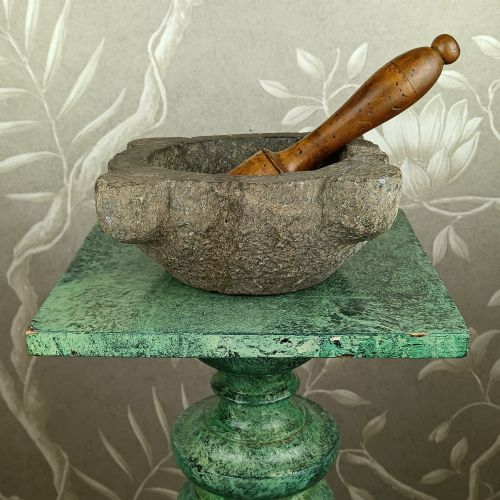
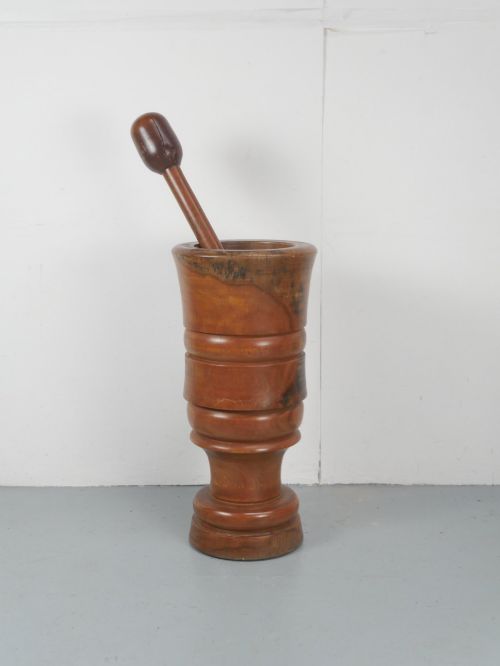
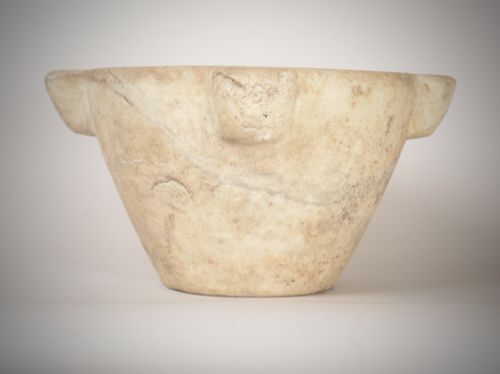
Wooden items such as yokes, mortars, and knife sharpeners served practical functions in farmhouses, dairies, and kitchens. They were designed for heavy daily labour and food preparation.
Over time, wear from use transformed these functional tools into objects valued for their sculptural qualities and honesty of design.
How do I care for antique wood?
Antique wood benefits from stable indoor humidity levels away from direct heat sources and strong sunlight. Gentle cleaning with a soft, dry cloth preserves the original surface.
Applying a traditional beeswax polish occasionally helps maintain the timber without building up heavy chemical layers.
How do I date these pieces?
Dating relies on identifying construction methods, tool marks, timber species, and historical wear patterns. Hand-sawn boards and early forged iron fittings provide reliable chronological clues.
Stylistic conventions in folk art and paintings also help place an object within the eighteenth, nineteenth, or early twentieth century.