



Rustic Wooden Wall Cabinet
A rustic wooden wall cabinet brings practical storage and aged character to a room, drawing on centuries of provincial craftsmanship.
Rustic Wooden Wall Cabinet
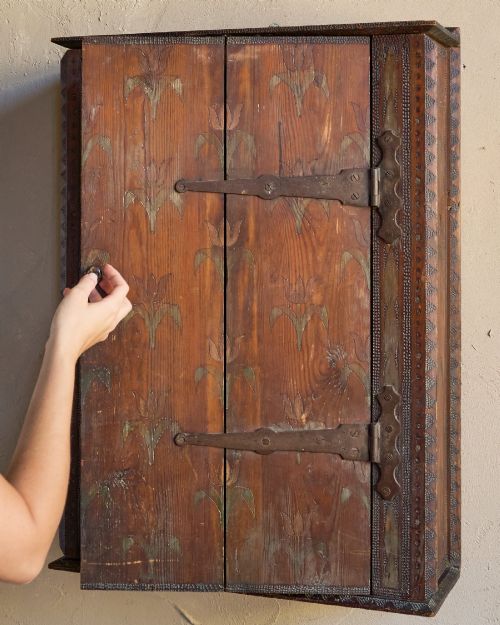
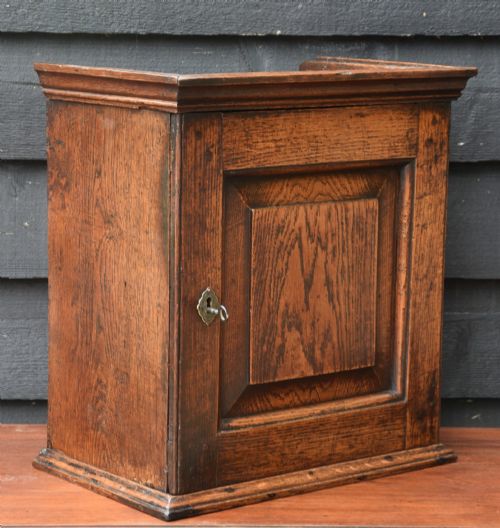
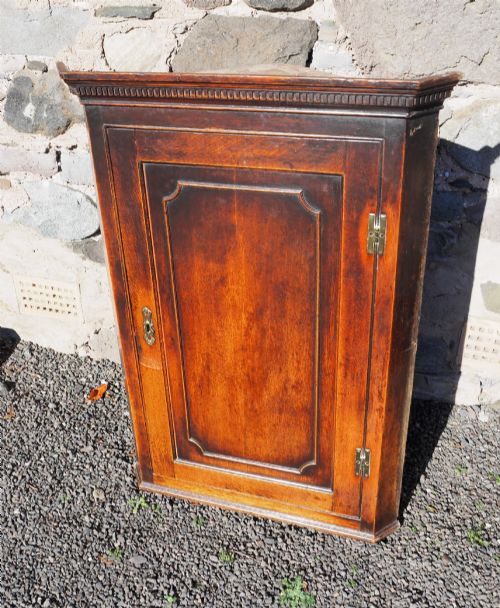
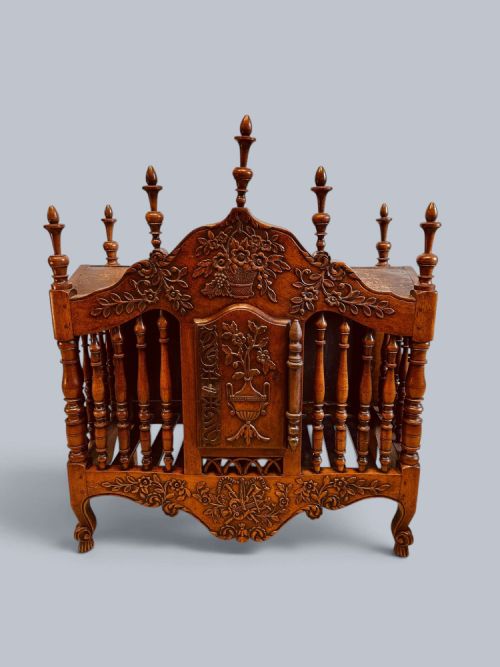
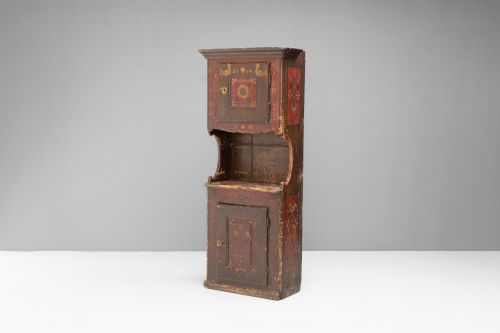
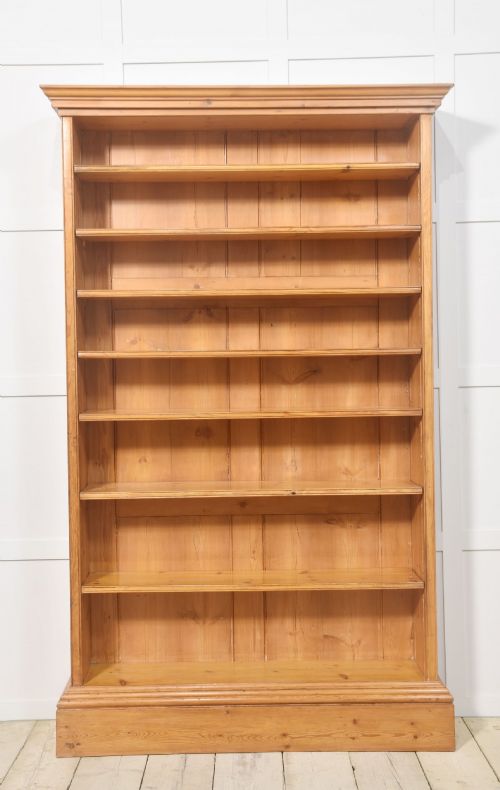
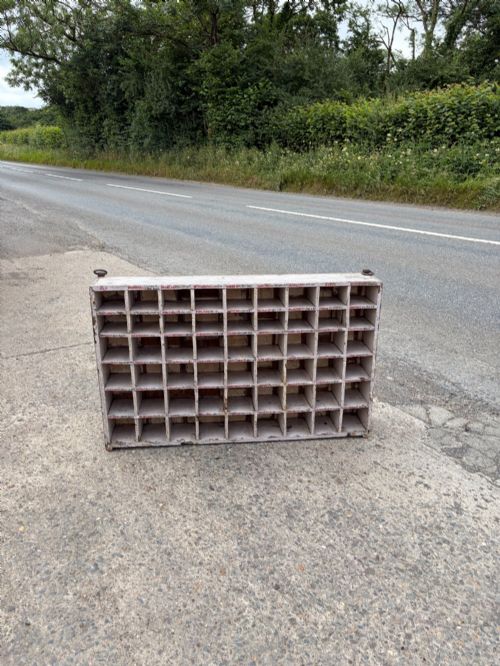
A rustic wooden wall cabinet takes many forms on this page, spanning corner cupboards, flat-backed wall units, spice boxes, and pigeon holes. These pieces served functional roles in homes from the eighteenth century onwards, providing secure storage for food, keys, or papers while keeping surfaces clear.
The materials reflect regional utilitarian needs, with oak and pine appearing most frequently alongside walnut and painted finishes. You will encounter styles ranging from Georgian and Victorian British designs to French provincial panetières, Scandinavian country cupboards, and Italian wall shelves.
Corner cabinets dominate the selection, engineered to utilise neglected angles in domestic spaces efficiently. Simpler hanging cupboards and open bookcases offer alternative ways to display or conceal everyday objects on a wall.
How they were made
Cabinetmakers relied heavily on solid oak and pine, shaping panels by hand and joining boards with traditional pegged or dovetailed construction. Secondary woods like pine often formed internal shelves and backs, while primary hardwoods provided sturdy exterior frames.
Surface treatments varied from waxed natural timber to layered painted finishes, sometimes revealing original interior hues beneath stripped exteriors. Iron and brass hinges, latches, and hooks secured the doors and added functional metalwork detail to the rustic forms.
Rustic Wooden Wall Cabinet Retail Price Guide 2026
Typical asking prices for rustic wooden wall cabinet among the pieces listed under this phrase on Sellingantiques today, from the lower quarter to the upper quarter. They describe what is for sale here now, not the wider market.
Listings feature pieces spanning the 18th, 19th, and early 20th centuries, constructed primarily from oak, pine, and walnut with brass and iron hardware.
What varies in quality
The integrity of the timber and the honesty of the surfaces separate basic utilitarian boxes from finer provincial furniture. Pieces retain greater appeal when their original brass or iron hardware, pegged joints, and backboards remain intact without excessive modern replacement.
Proportion and decorative restraint dictate the distinction between standard workshop output and superior regional design. Subtle mouldings, well-balanced panel doors, and untouched painted surfaces elevate simpler pine and oak cupboards into more collectible examples.
The Rustic Wooden Wall Cabinet Glossary
- Corner cabinet
- A storage unit specifically built with an angled back to fit neatly into the corner of a room. These saved valuable floor space in smaller domestic interiors.
- Panetière
- A traditional French food cupboard, often featuring turned spindles or open slats, originally designed to store and protect loaves of bread from household pests. Walnut and oak served as the primary timbers for these regional pieces.
- Pigeon holes
- A set of small, open compartments arranged in rows for sorting letters, documents, or small items. Early twentieth-century examples often appear in workshop or office contexts.
- Spice box
- A small wall-hanging cabinet fitted with internal drawers or small shelves for storing valuable spices and herbs. These compact units usually feature secure locking doors to protect expensive provisions.
Rustic Wooden Wall Cabinet: Frequently Asked Questions
What is a rustic wooden wall cabinet?
A rustic wooden wall cabinet is a wall-mounted storage piece made from timbers like oak, pine, or walnut, designed for practical household use in past centuries.
These pieces include hanging corner cupboards, spice boxes, and small shelving units originating from various European and British regional traditions.
How were wall cabinets used historically?
Historically, wall cabinets kept essential items such as spices, bread, keys, and documents elevated, secure, and free from dampness or pests.
Corner units made efficient use of awkward room angles, while specialised pieces like panetières served specific domestic storage duties in kitchens.
How do I style a wall cabinet at home?
Mount a rustic wall cabinet securely to a sturdy wall at a practical height, ensuring the weight is adequately supported by the wall construction.
Use the interior shelves to display small ceramics, glassware, or books, or let the cabinet stand alone as a textural wooden focal point in a kitchen or hallway.
How can I tell the age of a wooden cabinet?
Age is indicated by construction methods such as hand-cut dovetails, pegged joints, and timber characteristics that show natural wear over centuries.
Hardware like wrought iron butterfly hinges or early brass latches also helps place a piece within periods like the eighteenth or nineteenth century.