








Rustic Wooden Decor
These pieces of rustic wooden decor bring utilitarian age and organic texture into a room, grounded in centuries of practical craft.
Rustic Wooden Decor
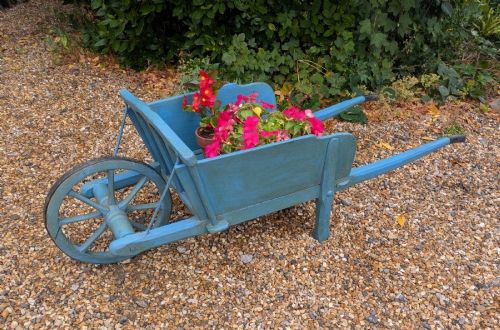
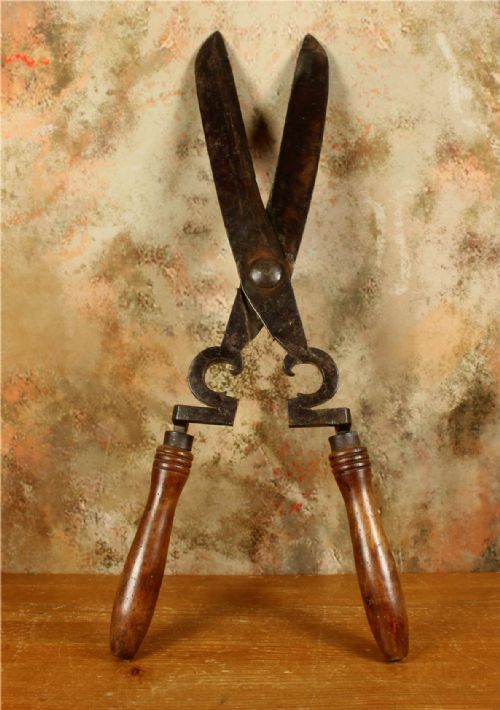
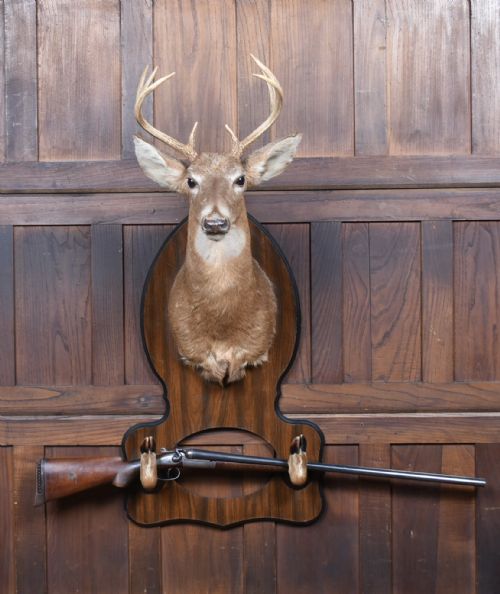
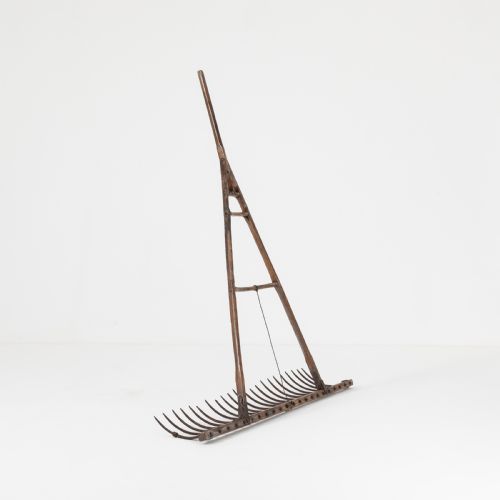
Rustic wooden decor encompasses utilitarian objects, architectural salvage, and folk art drawn from domestic, agricultural, and industrial life. Buyers seeking rustic wooden decor encounter items ranging from carved panels and shop displays to garden tools, wheels, and agricultural implements.
The selection on this page relies heavily on nineteenth-century pieces, alongside items from the eighteenth century up to the nineteen-twenties. Forms vary widely, taking in carved animal figures, hanging candle boxes, signs, and structural fragments shaped by hard use.
Origins stretch across British, French, and wider European traditions, reflecting local trades and rural craftsmanship. Functional forms dominate, retaining the marks of daily labour and weathered patinas.
How they were made
Makers shaped these items using primary hardwoods such as oak, ash, beech, and pine, often pairing them with iron, wrought iron, steel, or brass fixings. Surfaces frequently carry traces of historic paint, natural wax, or raw exposure to the elements.
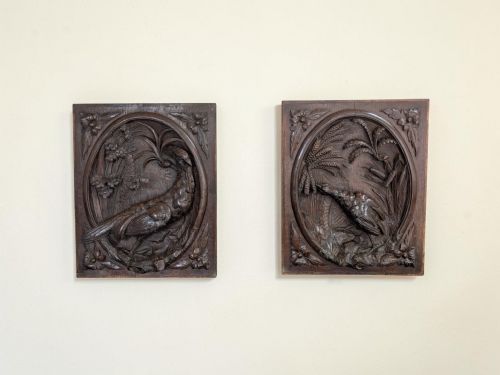
Construction techniques rely on traditional hand-tool methods, visible in pegged joints, carved details, and utilitarian assembly. Black Forest pieces demonstrate intricate hand-carving, while agricultural implements show robust joinery designed to withstand heavy daily service.
Rustic Wooden Decor Retail Price Guide 2026
Typical asking prices for rustic wooden decor among the pieces listed under this phrase on Sellingantiques today, from the lower quarter to the upper quarter. They describe what is for sale here now, not the wider market.
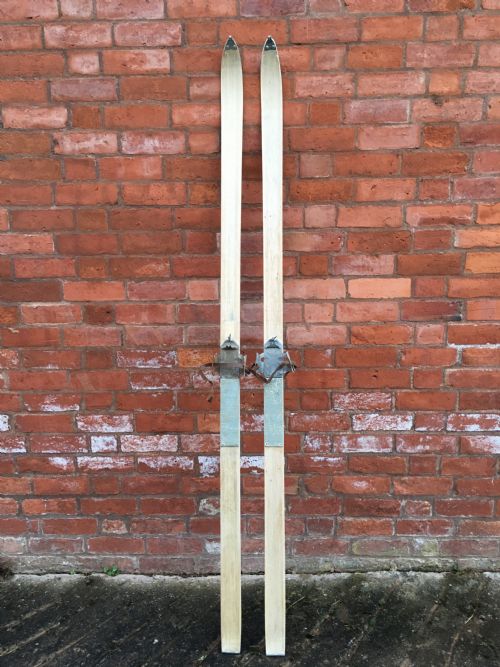
Among the agricultural salvage sits a three-person toboggan, proving that snowy hills demand timber transport just as much as farms do.
What varies in quality
Quality rests upon the integrity of the material and the honesty of the surface patination accumulated over generations. Pieces retaining their original tool marks, untouched painted finishes, and structural solidity stand apart from heavily restored examples.
The finesse of the carving or the proportional balance of an agricultural form dictates distinction within utilitarian categories. Items where the maker's hand remains clearly legible through deep tool work command greater appreciation.
The Rustic Wooden Decor Glossary
- Patina
- The surface sheen and colour developed through decades of handling, exposure, and waxing. It acts as a visual indicator of age and genuine use.
- Folk art
- Objects created by self-taught or rural makers for domestic or community use, prioritising expressive character over academic precision.
- Agricultural salvage
- Equipment and structural elements removed from farms and fields, repurposed for interior decoration or display.
- Black Forest carving
- Highly detailed woodworking originating from Central Europe, typically depicting animals, foliage, and game in high relief.
Rustic Wooden Decor: Frequently Asked Questions
What is rustic wooden decor?
Rustic wooden decor comprises utilitarian objects, agricultural tools, folk art, and architectural salvage shaped from timber. These items stem from rural, domestic, and industrial trades across past centuries.
Buyers select these pieces to introduce tactile organic materials and historic character into modern or traditional interiors.
How can I date these items?
Dating relies on identifying construction methods, tool marks, timber species, and associated hardware like wrought iron or brass. Stylistic clues within regional folk art and agricultural design also point to specific decades.
Examining the wear patterns and the depth of the surface patina helps distinguish eighteenth-century origins from later nineteenth-century production.
How were these items originally used?
Many pieces served active roles in farming, dairying, transport, and commerce, including cart wheels, yokes, shop displays, and agricultural implements. Others fulfilled domestic storage needs, such as hanging candle boxes and wall signs.
Their original contexts demanded robust construction, utilising durable timbers like oak, ash, and beech to withstand heavy labour.
How do I live with rustic wooden decor?
These items integrate easily into contemporary spaces by adding textural contrast against plain walls and modern finishes. Large functional objects like carts, yokes, and panels work well as focal sculptural elements.
Maintenance involves minimal intervention, preserving the dry surfaces, historic paint, and natural grain without applying heavy modern varnishes.