



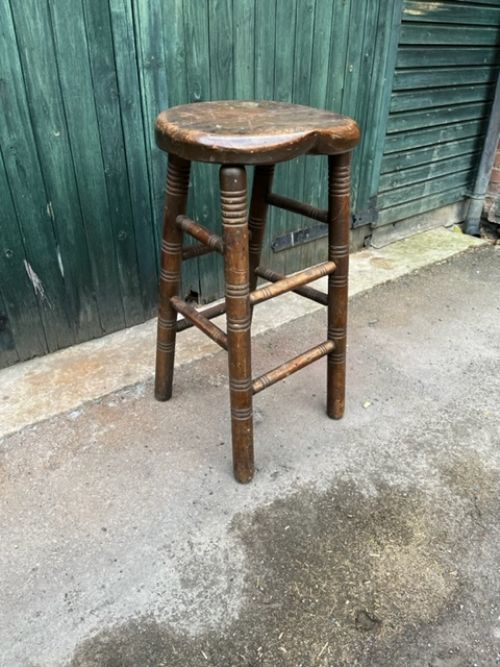


Rustic Wooden Bar Seat
A rustic wooden bar seat brings honest, hard-wearing character to a kitchen island or home bar with centuries of utilitarian design behind it.
Rustic Wooden Bar Seat
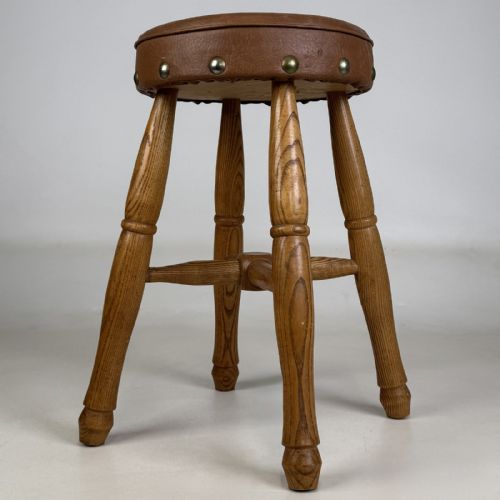
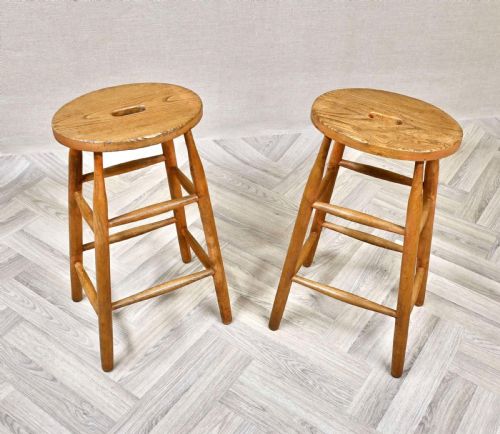
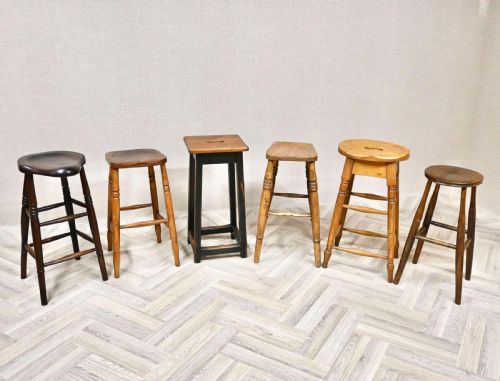
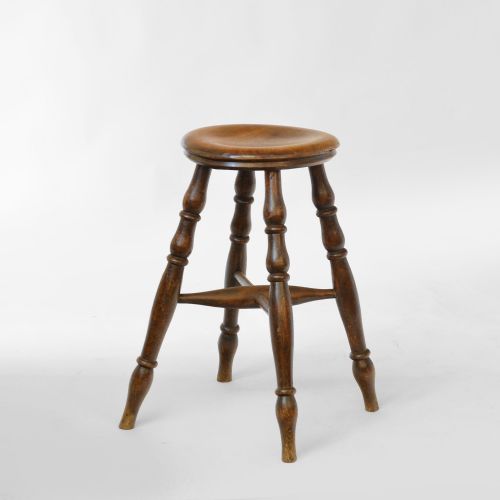
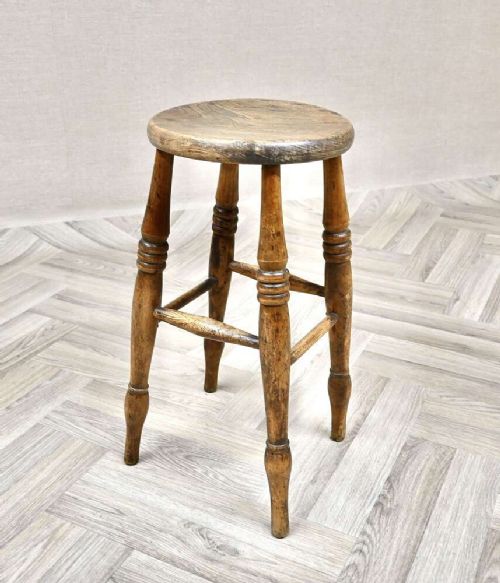
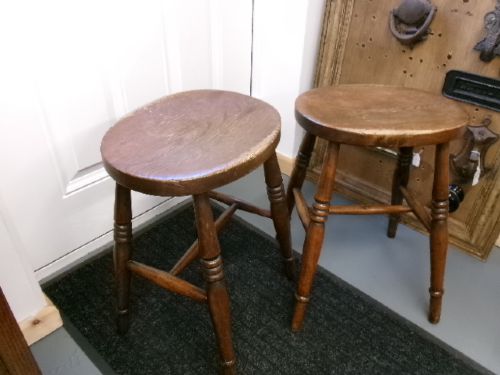
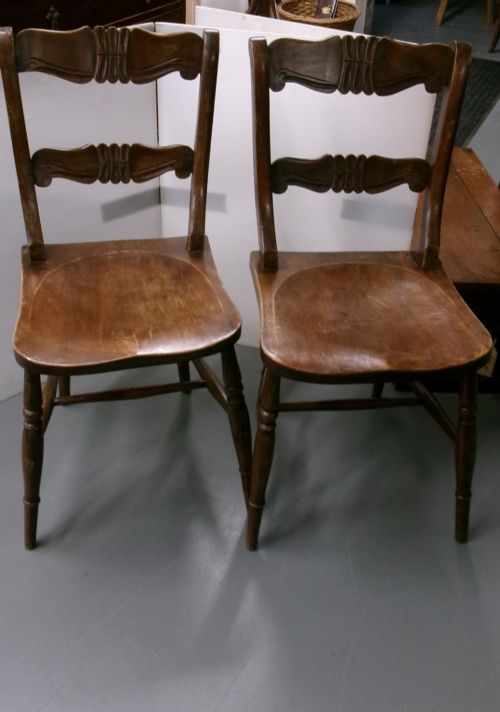
When searching for a rustic wooden bar seat, buyers encounter tall seating built for practical use in nineteenth-century pubs, taverns, farmhouses, and workshops. These pieces include tavern stools, high stools, clerk's stools, and kitchen stools designed to elevate the sitter above standard table height.
Most items on this page belong to styles such as Victorian Country, Rustic Farmhouse, Industrial Utility, and English Country. These categories group together utilitarian furniture made for everyday utility rather than formal display.
How They Were Made
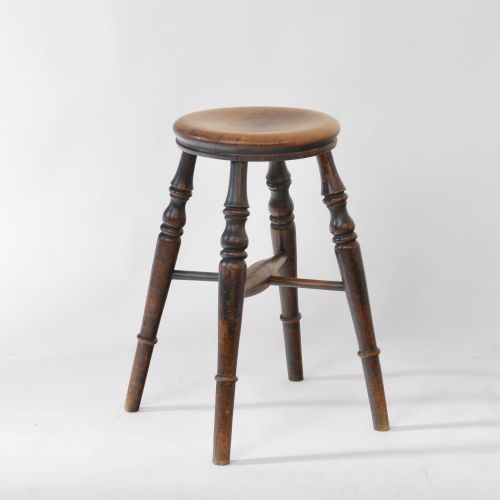
Construction relies on solid hardwoods and softwoods selected for durability, including beech, elm, pine, sycamore, oak, birch, and general hardwood. Makers utilised these available timbers to withstand heavy daily use in demanding environments like public houses and laboratories.
Techniques centre on traditional carpentry, joining turned or straight wooden legs into thick timber tops. Many seats feature dished or carved surfaces shaped for comfort during long hours of sitting at work or at the tavern counter.
Rustic Wooden Bar Seat Retail Price Guide 2026
Typical asking prices for rustic wooden bar seat among the pieces listed under this phrase on Sellingantiques today, from the lower quarter to the upper quarter. They describe what is for sale here now, not the wider market.
Pub stools frequently carry the subtle battle scars of spilled ale and restless boots from Victorian tavern floors.
What Varies in Quality
Quality in these utilitarian pieces rests in the integrity of the timber and the honesty of the construction. Items fashioned from wild elm or dense sycamore with well-turned legs show superior material selection compared to purely functional utility pieces.
The distinction between ordinary workshop seating and finer vernacular items lies in the character of the grain and the proportion of the turning. A well-preserved dished top combined with sturdy pegged joints elevates a stool above basic commercial utility.
The Rustic Wooden Bar Seat Glossary
- Vernacular
- Everyday furniture made by local craftsmen for specific domestic or commercial uses rather than following high-style court fashions. It relies on regional materials and practical traditions.
- Dished top
- A seat surface hollowed or scooped out into a shallow bowl shape by hand or lathe. This shaping provides ergonomic comfort for the sitter.
- Clerk's stool
- A tall wooden stool traditionally used by office workers or writers standing or sitting at high desks. They often feature simple turned legs and sturdy footrests.
- Turned
- Shaped on a woodturning lathe by rotating timber against cutting tools. This technique produces symmetrical cylindrical or vase-shaped legs and stretchers.
- Rush seat
- A seating surface woven from dried marsh rushes or grasses. It creates a textured, supportive pad common in traditional country seating.
Rustic Wooden Bar Seat: Frequently Asked Questions
What is a rustic wooden bar seat?
A rustic wooden bar seat is a tall stool or high chair designed for utilitarian use in nineteenth-century settings like pubs, kitchens, and workshops. They prioritise sturdy construction and practical service over ornate decoration.
These pieces typically feature wooden tops supported by turned or straight legs, often braced with stretchers for added stability during daily use.
How were these stools originally used?
These tall stools served workers, patrons, and domestic staff in spaces requiring elevated seating. Examples include tavern stools for public house counters and clerk's stools for high desks.
They provided durable seating that could withstand heavy commercial or agricultural labour without requiring delicate maintenance.
How do I date an antique wooden stool?
Dating relies on material choice, tool marks, construction methods, and overall style clues like Victorian vernacular turning or Edwardian adjustable mechanisms. Examining the timber species and wear patterns helps place the piece within the nineteenth century or the early twentieth century.
Comparing the joinery techniques to known period examples confirms whether a stool dates from the Victorian era or the 1930s.
Are these stools comfortable for daily use?
Many stools feature ergonomically shaped dished wooden seats designed to make sitting comfortable over extended periods. Their sturdy proportions make them practical for modern kitchen islands and breakfast bars.
Adding a cushion can soften the solid timber surface for relaxed seating at home.