




Rustic Wall Decor
Rustic wall decor gathers weathered timber, heavy iron and folk art pieces carrying the marks of rural labour.
Rustic Wall Decor
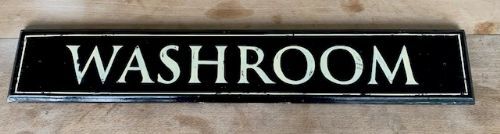
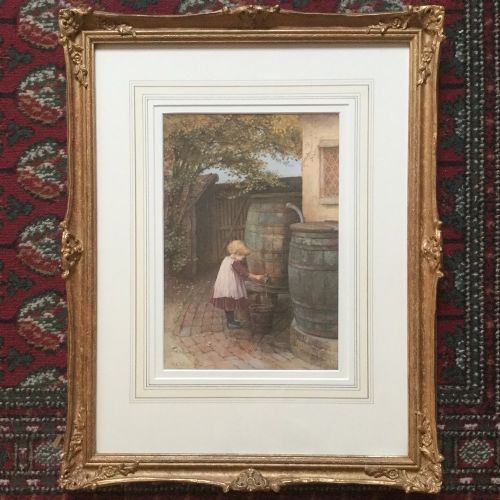
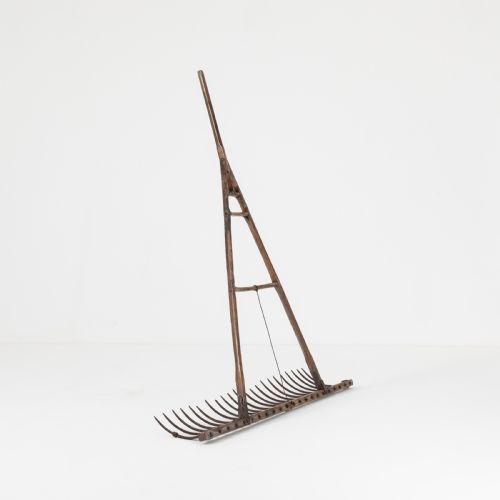
Rustic wall decor covers practical items taken from farmyards, country houses and workshops, reconfigured for display on interior walls. Buyers searching this phrase meet architectural salvage, painted wooden signs, oil paintings of rural scenes, and mounted implements like hay rakes and cart wheels.
The objects span the eighteenth, nineteenth and early twentieth centuries, drawing heavily on Victorian country and folk art traditions. Many pieces originate from agricultural or commercial settings where utility came before decoration.
Most items rely on natural materials shaped by decades of exposure to the elements or workshop use. Oak, ash, wrought iron and cast metal dominate the selections available here.
Materials and construction methods
Makers shaped these pieces from solid hardwoods like oak and beech, alongside structural metals including wrought iron, cast iron and sheet metal. Joinery is straightforward and robust, utilising hand-carved panels, pegged joints and forged brackets built to withstand daily agricultural demands.
Surfaces display genuine wear, retaining original layers of paint, gilt framing or weathered patination acquired through age and exposure. Folk art carvings and hand-painted commercial signs show direct, unpretentious execution by regional makers and tradesmen.
Assessing quality in country pieces
Quality rests upon the integrity of the surface and the honesty of the wear. Pieces that retain their original paint, undisturbed patination or untouched structural ironwork command greater attention than those stripped or overly restored.
The distinction also lies in the character of the carving or the specificity of the object's original function. A deeply weathered architectural scroll panel or a well-executed folk art diorama reveals a stronger sculptural presence than standard commercial reproductions.
The Rustic Wall Decor Glossary
- Architectural salvage
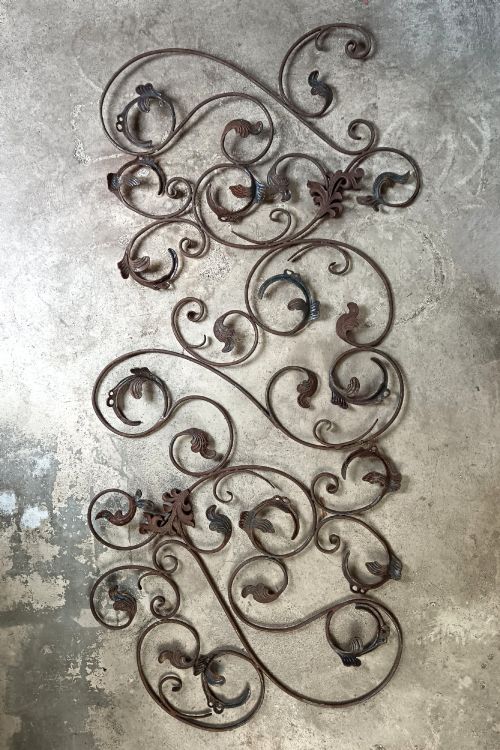
- Building elements rescued from older structures for decorative reuse. These include wrought iron scroll panels and carved wooden panels.
- Folk art
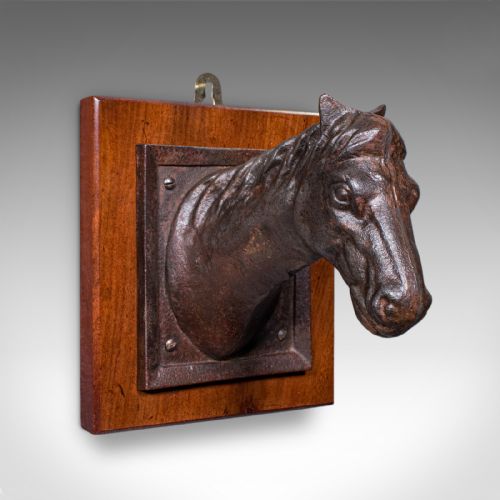
- Utilitarian or decorative objects created by self-taught or provincial makers. This category includes dioramas, painted signs and carved animal displays.
- Tramp art
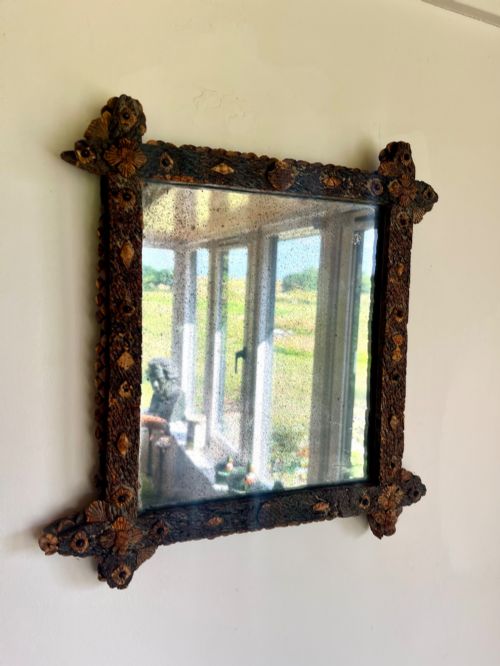
- Relief carving created using simple tools and salvaged wood packaging. Such items frequently feature notched chip-carved geometric layers.
- Patina
- The surface sheen and colour developed by wood, metal and paint over decades of handling and ageing. It acts as a primary indicator of authenticity.
Rustic Wall Decor: Frequently Asked Questions
Can I clean weathered painted signs without damage?
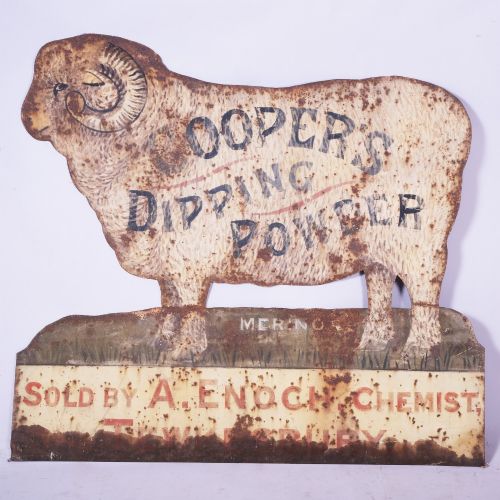
Painted wooden signs and advertising boards require gentle maintenance to preserve their fragile original surfaces. Dust the area softly with a dry cloth and avoid harsh chemical solvents or abrasive pads that lift aged paint.
Moisture can penetrate unsealed wood and old cracks, so keep cleaning strictly dry. Professional conservation advice is recommended if deeper cleaning becomes necessary.
How do I date rustic wooden items?
Dating relies on observing tool marks, timber selection, fixings and the natural oxidation of the surface. Hand-sawn boards, wrought iron nails and pegged joints generally point towards eighteenth or nineteenth-century construction.
Compare the wear patterns with known examples from specific periods like the Victorian era or Edwardian years. Inconsistencies between the timber age and the fasteners often indicate later assembly.
What rooms suit rustic wall decor best?
These pieces integrate naturally into kitchens, boot rooms, hallways and living spaces where tactile materials add warmth and texture. The earthy tones of weathered wood and dark iron complement neutral or stone backgrounds.
Scale the object to the wall space available so larger elements like cart doors or architectural panels do not overwhelm the room. Allow surrounding decor to remain understated to let the character of the antique stand out.