

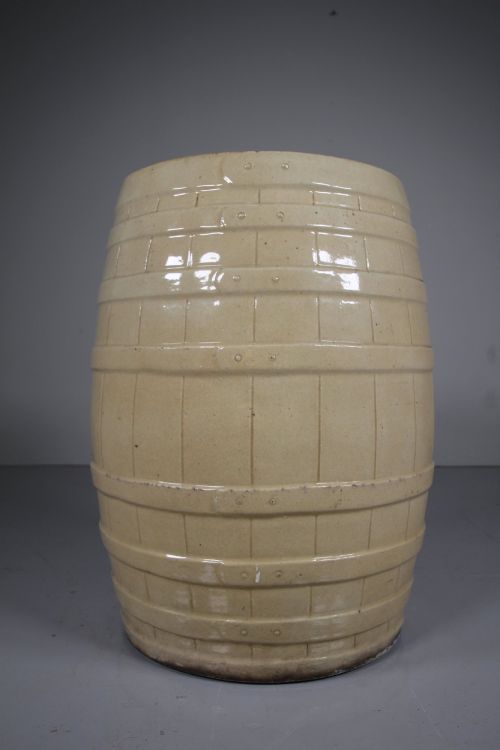
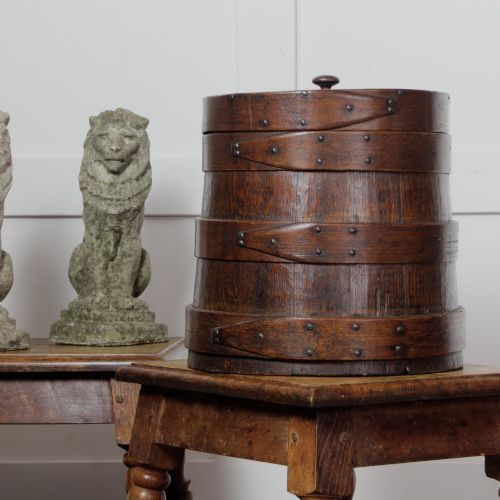


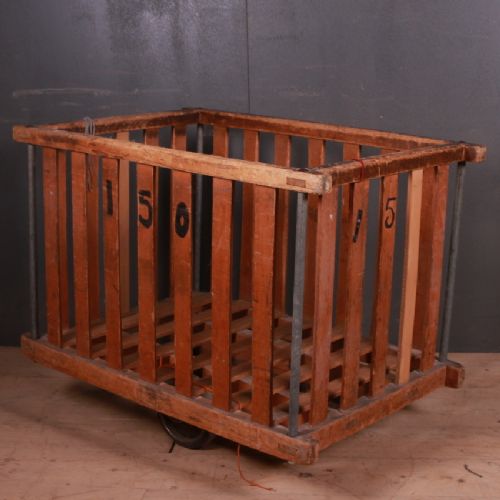


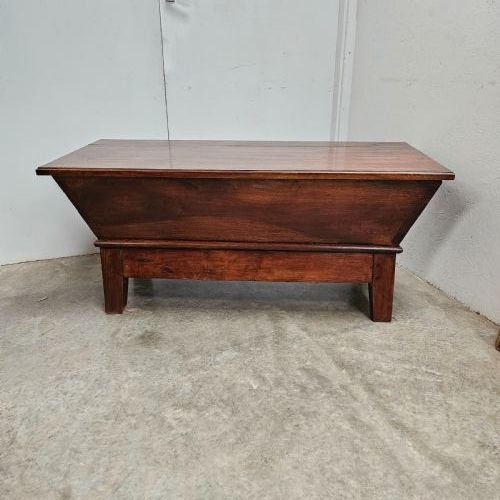
Rustic Storage Bin
A rustic storage bin delivers honest utility and vernacular character, bringing solid timber and iron into a working interior.
Rustic Storage Bin
A rustic storage bin serves as a purposeful container for wood, grain, or household goods, drawing on practical forms like dough troughs, log boxes, and grain arks. These utilitarian objects span periods from the seventeenth century through the early twentieth century, reflecting the needs of domestic and agricultural life.
The most common examples on this page are constructed from pine and oak, taking the form of dough bins, log baskets, and storage boxes. Pieces originating from Scandinavia and France sit alongside English and Welsh vernacular designs, each displaying regional methods of construction.
Forms range from deep oak coffers and iron-banded country house log bins to painted Swedish boxes and woven harvest baskets. They function equally well beside a hearth for fuel storage or as freestanding furniture within a kitchen or hallway.
How they were made
Makers utilised solid timbers such as pine, oak, elm, and walnut, often joining boards with dovetails, pegs, or heavy iron banding to withstand daily heavy use. Metal components like wrought iron handles, copper bodies, and toleware surfaces provide structural reinforcement and contrast against the warm grain of the wood.
Surface treatments vary from plain scrubbed pine and polished walnut to original painted finishes in Scandinavian styles. Blacksmith-made fittings, rivets, and hinges secure the lids and bases, showing the hand of local metalworkers who built for longevity.
Rustic Storage Bin Retail Price Guide 2026
Typical asking prices for rustic storage bin among the pieces listed under this phrase on Sellingantiques today, from the lower quarter to the upper quarter. They describe what is for sale here now, not the wider market.
French grape hottes and harvest baskets crossed from hillside vineyards straight into the fireside fuel store.
What varies in quality
The integrity of the timber and the honesty of the construction determine the standing of each piece, distinguishing utilitarian workshop items from refined vernacular furniture. Original surfaces, such as untouched paint on a Scandinavian box or centuries-old patination on an oak grain ark, elevate the character.
Proportion and structural survival dictate the success of the form, particularly where lids, original iron banding, and dovetailed corners remain intact. Pieces retaining their authentic blacksmith-made hardware and unrestrained vernacular charm carry greater visual weight in a room.
The Rustic Storage Bin Glossary
- Dough bin
- A trough-like container traditionally used for kneading and proving bread dough, typically set on splayed legs. Many examples feature hinged lids that convert the trough into a flat surface when not in use.
- Grain ark
- A heavy timber storage chest designed to keep dry grain safe from damp and pests, often constructed with thick oak planks. These seventeenth and eighteenth-century pieces display robust pegged joinery.
- Toleware
- Japanned or painted metalware, often iron or tinplate, finished with decorative coatings. Flour bins and scuttles rendered in this technique combine durability with colourful surface decoration.
- Vernacular
- Architecture and furniture built by local craftsmen using traditional regional materials and methods, prioritising function over academic stylistic rules. Welsh and Scandinavian pieces frequently embody this direct approach.
- Wrought iron
- Iron beaten and shaped by hand on an anvil while hot, identifiable through subtle surface irregularities and hammer marks. It provides strong, reliable hinges and carrying handles on heavy storage vessels.
Rustic Storage Bin: Frequently Asked Questions
What were rustic storage bins originally used for?
These bins held essential domestic provisions and fuel, including flour for baking, grain for livestock, and logs for the hearth. Their robust construction protected contents from dampness and pests in farmhouses and country cottages.
Over time, utility items migrated from kitchens and barns into living spaces as households repurposed them for storage. Today they continue to hold firewood, blankets, and daily clutter while displaying traditional craftsmanship.
How do I tell an 18th-century bin from a later one?
Seventeenth and eighteenth-century pieces usually feature heavy oak planks joined with wooden pegs and hand-cut dovetails. The timber shows deep patination and wear patterns accumulated over centuries of domestic labour.
Later nineteenth and twentieth-century examples often utilise pine, walnut, or machine-sawn boards alongside iron nails and factory-made screws. Scandinavian and French provincial pieces from the 1800s frequently retain characteristic painted finishes or metal banding.
Are these bins suitable for modern firesides?
Log bins, boxes, and metal scuttles provide practical containment for firewood beside a modern hearth. Their solid timber walls and iron-banded bases easily withstand the weight of logs and daily handling.
Lined interiors or simple maintenance keep timber and copper protected from wood debris and moisture. They bring texture and historical presence to a sitting room without requiring delicate treatment.
How should I clean a painted pine storage box?
Painted surfaces benefit from gentle dusting with a dry microfibre cloth to remove surface dirt without disturbing old pigment. Avoid abrasive cleaners, strong solvents, or excessive water that might soften original paint.
Unpainted interior pine can be wiped carefully with a damp cloth if needed, followed immediately by thorough drying. Preserving the dry, authentic surface maintains the historic character of the piece.