


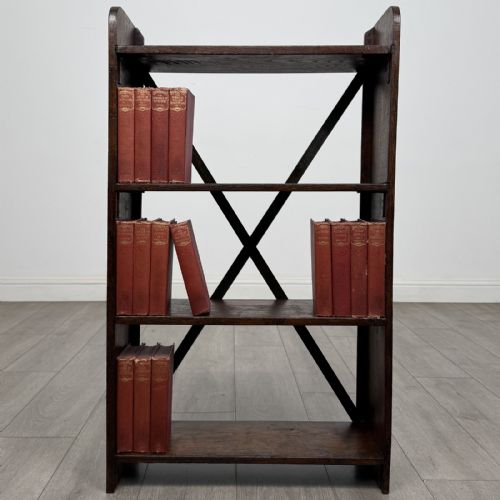
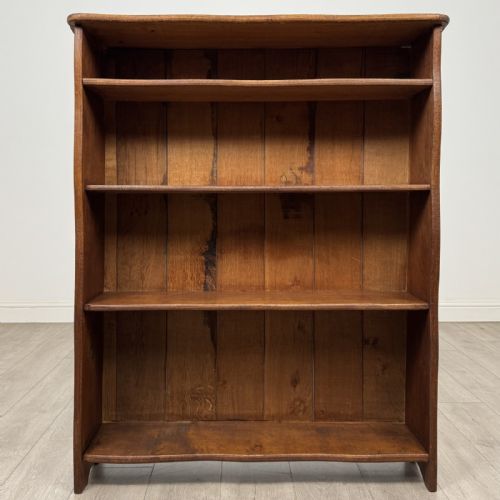
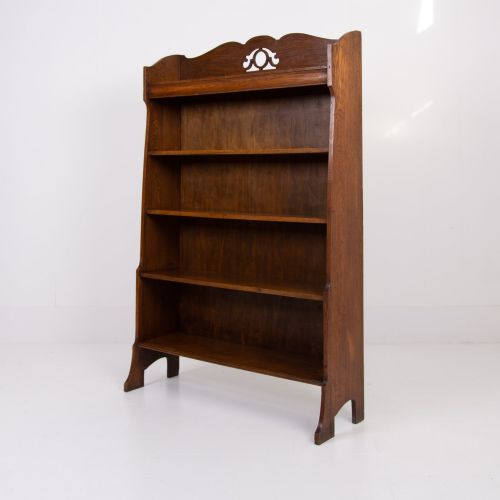

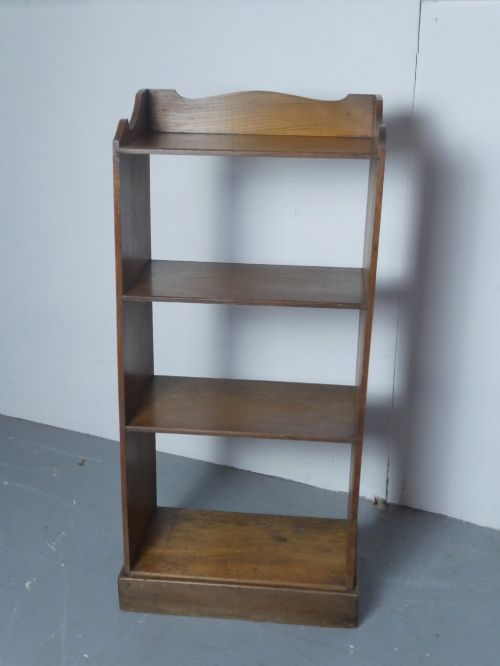
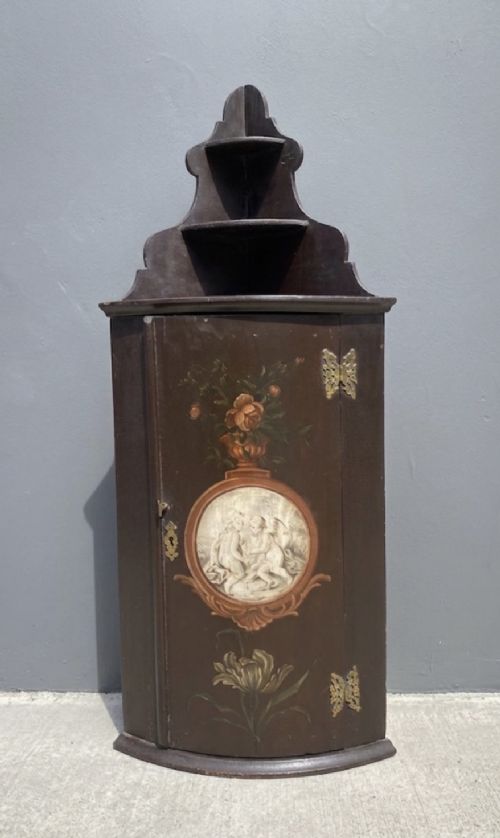

Rustic Shelving Unit
A rustic shelving unit brings honest utility and time-worn character to a room, constructed from timber and metal with straightforward purpose.
Rustic Shelving Unit
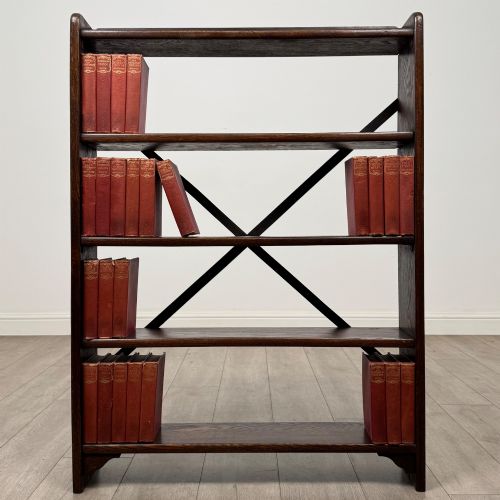
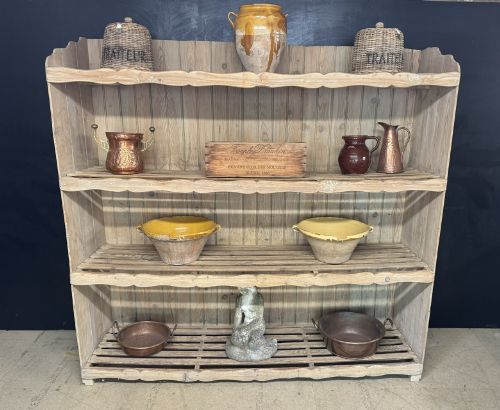
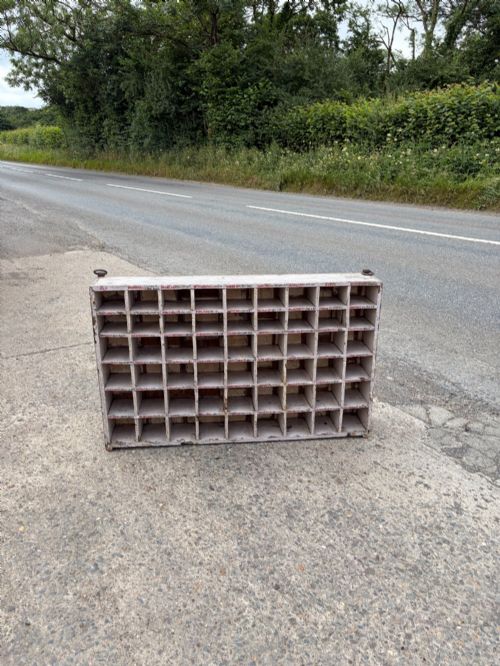
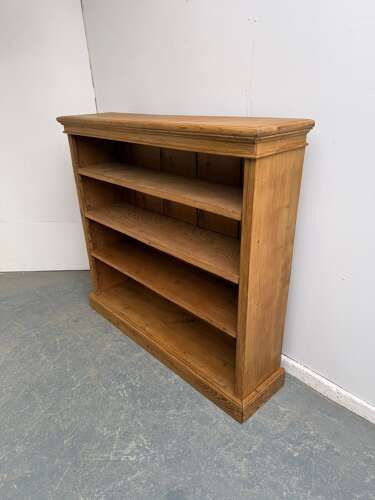
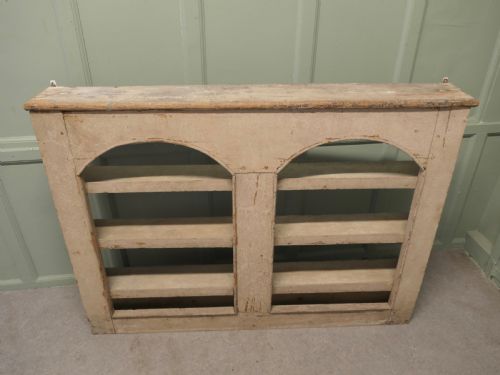
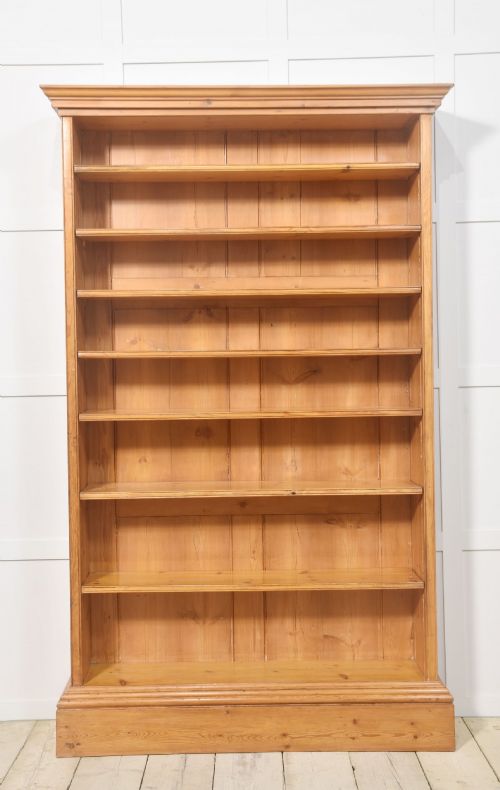
When you search for a rustic shelving unit, you encounter practical storage furniture built from pine, oak, elm, and deal wood, often incorporating iron or metal components. These pieces take the form of open bookcases, wall shelves, pigeon holes, bakers racks, and corner cupboards, spanning periods from the eighteenth century through to the 1930s.
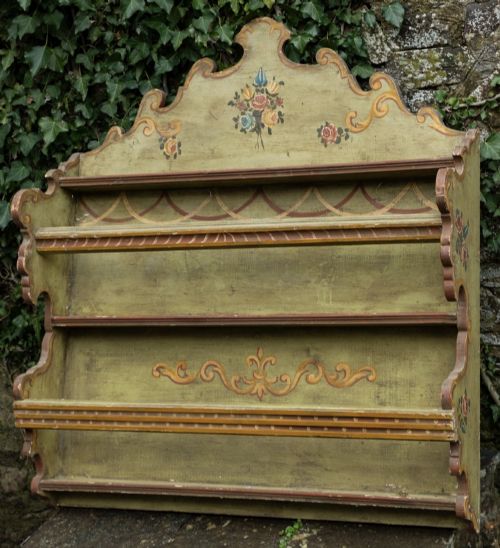
You are most likely to meet pieces finished in plain timber, wax, or with original painted surfaces that show the marks of age and use. Styles range from English and French country to industrial and Arts and Crafts designs, reflecting domestic and workshop origins.
The utility of these units varies from narrow wall-mounted racks to substantial standing bookcases and cupboards. Their construction prioritises function and durable materials over delicate ornamentation.
Materials and Construction
Makers utilised solid timbers such as pine, oak, elm, and deal wood, often joined with straightforward carpentry methods suited to heavy daily use. Surfaces were left natural, waxed, or finished with hand-applied paint that has developed a distinct patina over time.
Iron and metal feature heavily in structural elements, bracing, and hardware, including cross backs and bakers rack frames. Brass details and hand-carved elements appear selectively on specific regional and period pieces.
Rustic Shelving Unit Retail Price Guide 2026
Typical asking prices for rustic shelving unit among the pieces listed under this phrase on Sellingantiques today, from the lower quarter to the upper quarter. They describe what is for sale here now, not the wider market.
Field kitchen dressers and bakers racks once meant for flour and dough now happily hold your collection of paperback novels.
Assessing Quality and Build
Quality in these pieces rests upon the integrity of the timber and the honesty of the construction. Solid joints, thick boards, and well-preserved original surfaces distinguish superior examples from ordinary utility furniture.
The presence of period ironwork, such as cross braces or bakery rack scroll-work, adds structural robustness and visual distinction. Original paint finishes that survive intact without modern intervention carry greater authenticity than stripped or heavily restored surfaces.
The Rustic Shelving Unit Glossary
- Pine
- A softwood commonly used in country furniture, valued for its fine grain and ability to take paint or wax finishes well.
- Pigeon holes
- Compartmentalised shelving units traditionally used for sorting papers, letters, or small items.
- Bakers rack
- A metal and timber shelving unit originally designed for cooling baked goods, now utilised for open storage.
- Deal wood
- A historical term for fir or pine timber frequently employed in utilitarian furniture construction.
- Arts and Crafts
- A design movement prioritising traditional craftsmanship, visible construction, and simple forms.
Rustic Shelving Unit: Frequently Asked Questions
Where should I place a rustic shelving unit?
These units suit kitchens, living spaces, and hallways where practical storage is required. Their honest materials complement both traditional and modern interiors.
Ensure wall-mounted versions are fixed securely to support the weight of books or kitchenware safely.
How do I care for old painted wood?
Dust surfaces gently with a dry or slightly damp cloth to protect the historic finish. Avoid harsh chemical cleaners that can strip original paint or dry out the timber.
Applying a light wax occasionally helps nourish older pine and oak surfaces.
Can these units support heavy books?
Solid oak and pine bookcases with thick shelves are designed to hold substantial weight. Pigeon holes and smaller wall shelves are better suited to lighter objects and display items.
Check the thickness of the timber shelves and the strength of the upright supports before loading.
How do I identify the period of a piece?
Examine the construction methods, tool marks, and hardware used in the assembly. Eighteenth and nineteenth-century pieces often display hand-sawn timber and traditional joinery.
Twentieth-century examples and 1930s industrial pieces tend to feature more standardised machine-cut elements and distinct metal components.