



Rustic Pine Study Table
A rustic pine study table brings honest utility and warmth to a room, offering a sturdy surface shaped by decades of everyday use.
Rustic Pine Study Table
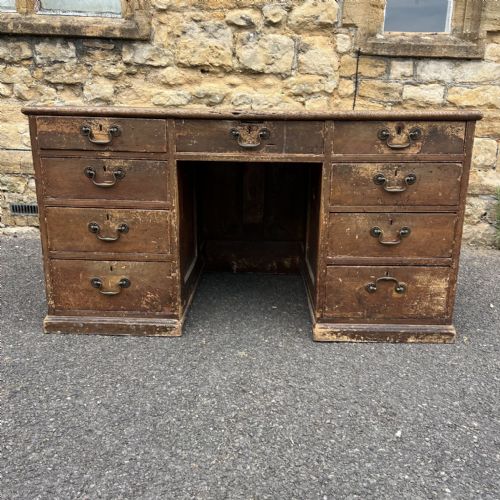
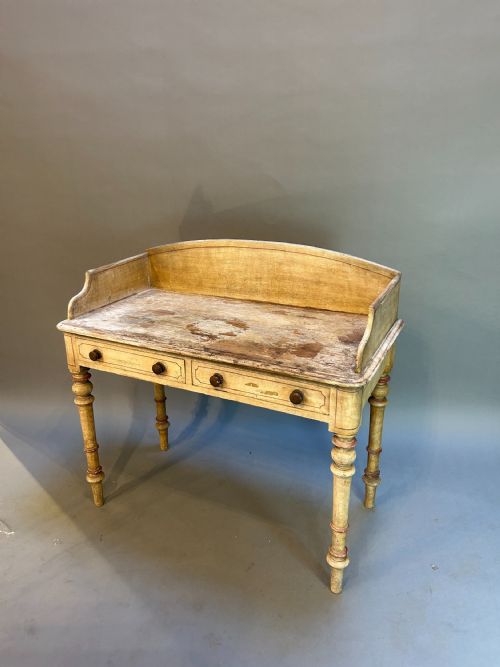
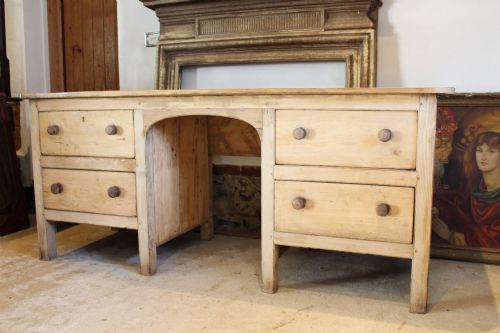
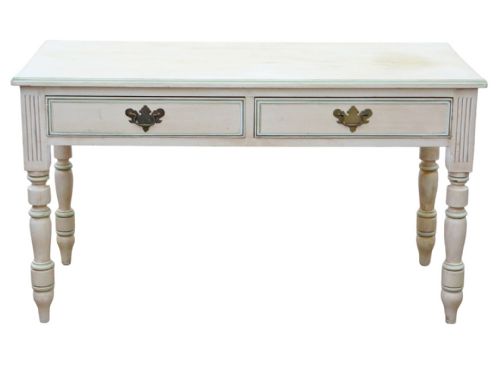
A rustic pine study table spans several working forms, including writing tables, estate desks, and school teacher's desks.
Most examples date from the nineteenth century, with Victorian and Georgian pieces frequently appearing alongside later rustic country styles.
These pieces range from simple side tables with drawers to large panelled office desks designed for practical work.
How they were made
Construction relies heavily on solid pine and pitch pine, sometimes paired with oak, sycamore, or brass and iron hardware.
Surfaces are finished in natural wood tones, wax, or historic layers of paint that show the passage of time.
Rustic Pine Study Table Retail Price Guide 2026
Typical asking prices for rustic pine study table among the pieces listed under this phrase on Sellingantiques today, from the lower quarter to the upper quarter. They describe what is for sale here now, not the wider market.
One school teacher's desk carries the quiet ghosts of inkwells and impatient rulers carved into the wood.
What varies in quality
Quality rests on the choice of timber, such as dense pitch pine versus softer varieties, and the integrity of the original construction.
The presence of fitted drawers, well-turned legs, and untouched patination elevate a piece from basic utility to notable craftsmanship.
The Rustic Pine Study Table Glossary
- Pitch pine
- A resinous and durable softwood known for its distinct grain pattern and strength. It frequently appears in nineteenth-century utilitarian furniture.
- Kneehole desk
- A writing table featuring a central recess for the legs, flanked by pedestals of drawers. This form provides organised storage while sitting comfortably.
- Estate desk
- A large, functional writing table used in the administration of large properties. These pieces are built for heavy administrative work.
- Patina
- The surface sheen and softening of edges developed through years of handling, polishing, and use. It serves as a visual record of age.
Rustic Pine Study Table: Frequently Asked Questions
How do I date a pine table?
Dating relies on construction methods, timber selection, and hardware style. Earlier pieces often display hand-cut joinery and period-specific proportions.
Secondary woods used in drawer construction and the nature of the surface wear also help narrow down the decade of manufacture.
Are these tables suitable for daily work?
These tables were originally built for writing, administration, and school use, making them naturally suited for modern study tasks.
Their sturdy construction provides a reliable surface for laptops and paperwork while adding character to a workspace.
Should I strip a painted pine table?
Historic paint finishes carry significant character and evidence of age that many collectors prefer to preserve. Stripping removes this historical layer and alters the visual balance of the piece.
Consider the stability and appearance of the existing surface before undertaking any restoration work.
What is the difference between pine and pitch pine?
Pitch pine is a harder, more resinous variety of pine with a prominent grain and greater weight. It resists knocks better than standard softwoods.
Standard pine offers a lighter appearance and softer texture, which often shows deeper signs of wear over time.