

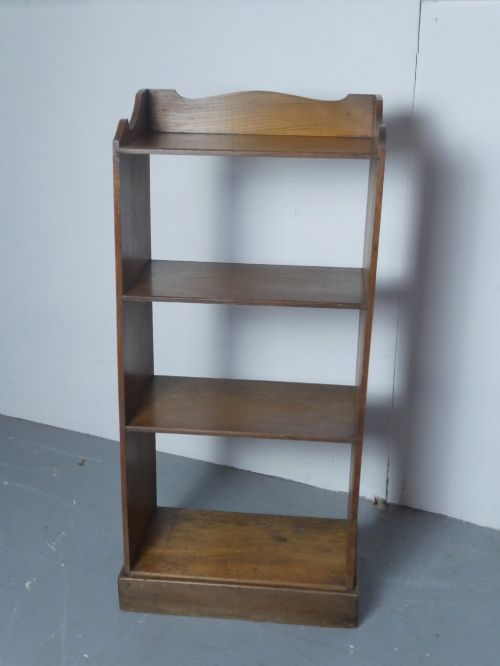
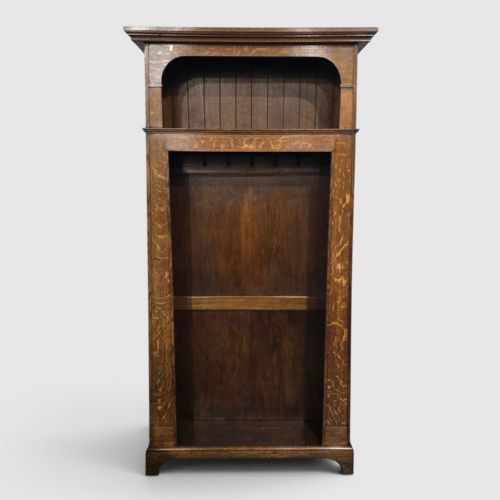


Rustic Oak Storage Unit
A rustic oak storage unit brings sturdy country utility and rich timber grain directly into your interior.
Rustic Oak Storage Unit
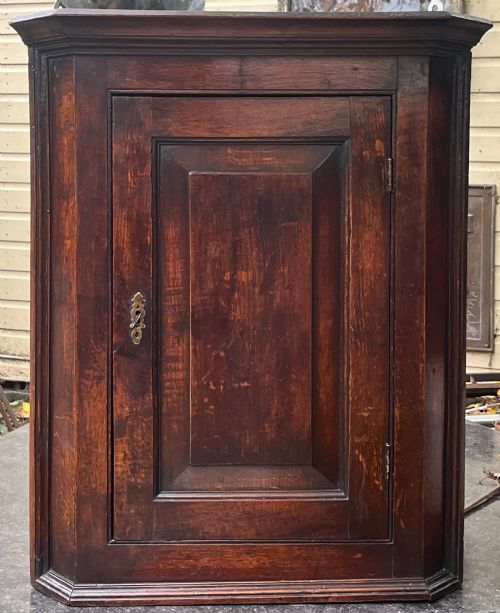
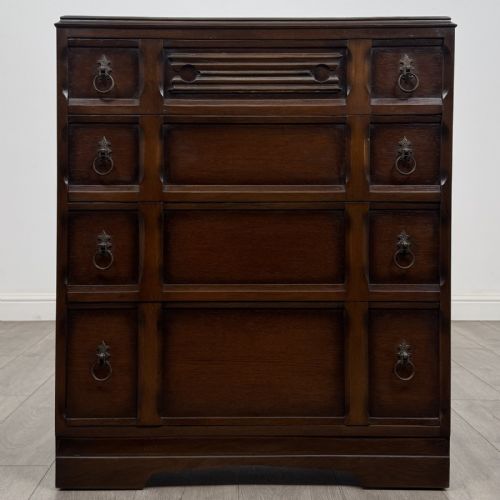
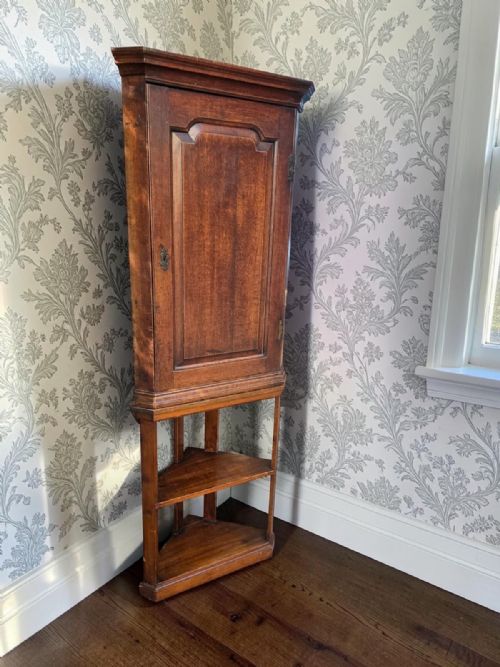
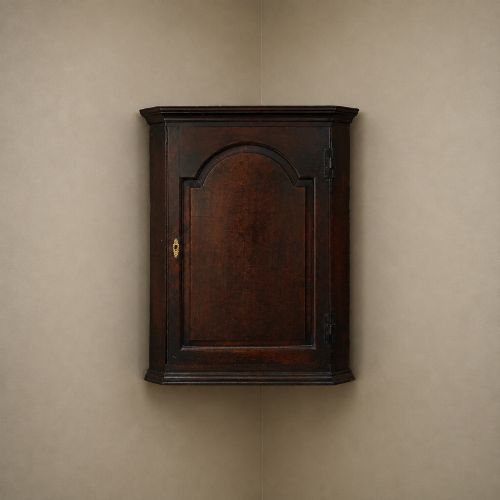
A rustic oak storage unit covers a wide selection of practical timber furniture designed to hold household goods, from corner cupboards and dressers to chests of drawers and hall robes. These pieces originate across several periods, including the eighteenth century, the Georgian era, the Victorian period, and the early twentieth century.
The most common forms you will encounter on this page are corner cupboards and chests of drawers fashioned in English country and French provincial styles. Pieces span various decades, offering functional compartments behind panelled doors or within stacked drawer arrangements.
Makers and craftsmen utilised robust timbers to construct items that served kitchens, halls, and parlours alike. The selection reflects both floor-standing and wall-hanging formats suited to traditional and modern spaces.
How they were made
Makers constructed these storage pieces primarily using solid oak, occasionally incorporating secondary woods such as mahogany, walnut, fruitwood, and other timbers. Boards were joined to handle daily wear, while panelled construction accommodated the natural movement of solid wood over time.
Hardware details such as brass handles, iron fittings, glass panels, and knob handles were applied to secure doors and drawers. Finishes range from polished surfaces to natural golden tones that highlight the grain of the wood.
Rustic Oak Storage Unit Retail Price Guide 2026
Typical asking prices for rustic oak storage unit among the pieces listed under this phrase on Sellingantiques today, from the lower quarter to the upper quarter. They describe what is for sale here now, not the wider market.
Listings feature oak alongside mahogany, walnut, fruitwood, brass, and glass elements across Georgian, Victorian, and twentieth-century periods.
What varies in quality
Quality in these items rests on the selection of timber and the integrity of the joinery rather than surface ornamentation alone. Superior examples display well-figured oak boards, tight panel joints, and original hardware that has aged naturally with the timber.
Proportion and structural balance distinguish finer country pieces from utilitarian utility items. The clarity of the grain and the stability of the frame determine the enduring character of each piece.
The Rustic Oak Storage Unit Glossary
- Bow front
- A cabinet or chest with a convex, curved front facade. This shape softens the profile of large storage furniture.
- Corner cupboard
- A specialised cabinet built with a triangular footprint to fit neatly into room angles. These may be wall-hanging or floor-standing.
- Court cupboard
- A traditional heavy storage cabinet featuring multiple stacked tiers or enclosed upper and lower sections. They date back to earlier centuries of English cabinet-making.
- Raised gallery
- A low decorative railing or rim attached to the top surface of a chest of drawers. It prevents items placed on top from sliding off.
- Plate rack
- Open wooden shelving mounted above a dresser base to display ceramic plates and platters. It forms an integral part of traditional dining storage.
Rustic Oak Storage Unit: Frequently Asked Questions
Where should I place a corner cupboard?
These cabinets suit underutilized room angles in dining rooms, hallways, or sitting areas. They turn empty corners into practical display and storage space.
Ensure the wall angles match the cabinet footprint before installation, particularly with wall-hanging versions.
How do I care for polished oak?
Dust the timber regularly with a dry cloth and apply natural beeswax occasionally to nourish the grain. Avoid placing wooden furniture near direct heat sources.
Keep humidity levels stable to prevent the solid oak panels from expanding or cracking over time.
What is a Welsh dresser?
A Welsh dresser combines a lower base of drawers and cupboards with an upper plate rack for displaying tableware. They originated as central farmhouse utility furniture.
Today they serve equally well in kitchens and living spaces for both storage and display.
How can I date my oak cabinet?
Examine the construction methods, tool marks on the timber, and the style of the hardware handles. Joinery techniques often reveal whether a piece dates to the eighteenth century or later periods.
Secondary woods used inside drawers and backboards also provide clues to the manufacturing era.